 |
"If a child hears fine music from the day of his birth and learns to play it himself, he develops sensitivity, discipline and endurance. He gets a beautiful heart."
– Shin'ichi Suzuki
"Everyone is musical," says Monica Hernandez, program coordinator at the Music Center of the Northwest, Seattle's oldest community music school. Listening to music and moving to it are a joyous, natural part of being human.
Parents can foster that love by being intentional about introducing their children to all kinds of music, in the same way they're intentional about reading to a child every day, notes Kelly Dylla, vice president of education and community engagement for the Seattle Symphony and its Soundbridge program for young children.
Still, not all children will make their own music. Stephen Rogers Radcliff, musical director of the 70-year-old Seattle Youth Symphony Orchestra, emphasizes hands-on experimentation to begin the process. "Until a child tucks his chin under a violin or begins tinkering around with sound, he doesn't really understand music," he says.
While every child is different, Hernandez, Dylla and Radcliff offer the following tips to "grow a musician" from earliest exploration to perseverance through the teen years.
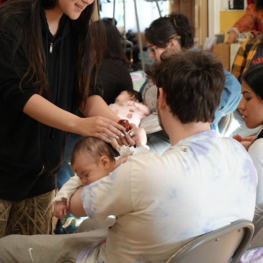
- Share the joy of music. Dylla, a classically trained violist with a 13-month-old daughter, encourages parents to expose babies, toddles and preschoolers to musical toys – things that make something happen when they shake, press or hit something. "Sing with her, engage in clapping and dancing. Make enjoying music a whole family experience." In her "Music Together" classes for children ages 6 months to 7 years, Hernandez introduces music from the classical, modern, jazz and opera genres, combining them with movement. She suggests checking online calendars (including www.seattleschild.com) for family-friendly or free concerts.
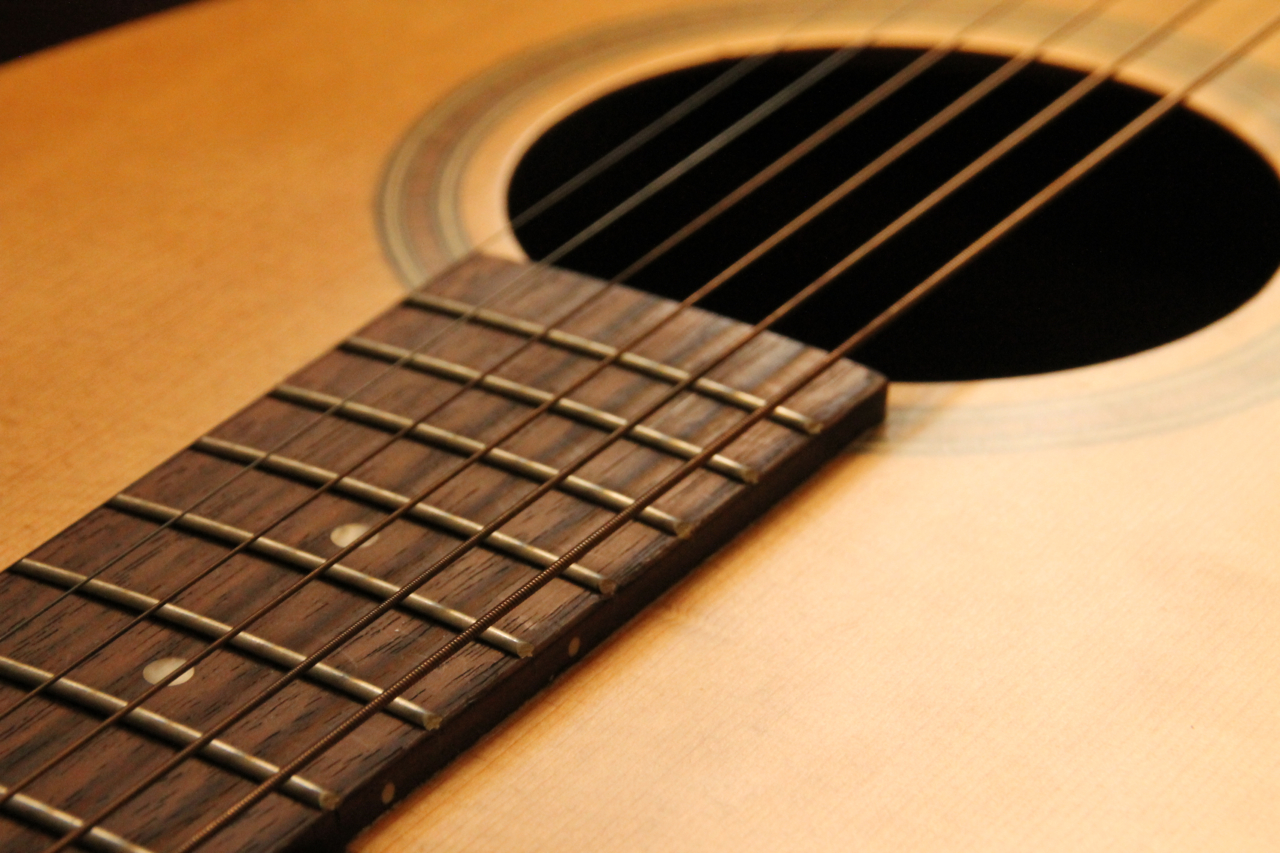
- Play with instruments. Soundbridge at Benaroya Hall lets children drop in and try out real symphonic instruments, like trombones and violins, go on a music scavenger hunt, play Wii Music, compose songs on computers, or take classes. Music Center of the Northwest's "Music Together" classes gives kids a chance to play hand-held instruments together without any anxiety about performing. The Music Center, plus the Seattle Chamber Music Society, Seattle Repertory Jazz Orchestra and others, periodically provide "Instrument Petting Zoos" for younger children to handle real instruments. Kindermusic, Gymboree and Kennelly Keys Music are other options. Experience Music Project's Sound Lab offers similar opportunities for older kids. The idea is "engagement before information," Dylla says, meaning that children should first enjoy making sounds before being taught what is right or wrong.
- Pick an instrument and stick with it. Children vary in when they are ready to begin concentrating on one instrument. "Students need a certain level of hand/eye coordination as well as ability to focus for small amounts of time," Hernandez says. "Students wanting to play a wind instrument will probably not be developmentally ready until around 8, but starting with piano or violin at 4 is great." Third to fourth grade, when Seattle Public Schools begin offering instrumental music, is another good time to start, Radcliff says. Whatever you choose, "Stick with it for a year or two," he advises. "I think parents encourage too much dilettantism in their children; they won't develop self esteem and discipline if they're always changing instruments. You can learn the notes and how to count and read music, and then those skills are transferable if you want to switch instruments later."
- Find the right teacher. Most students begin with private lessons, either from an individual provider or a community school, although group lessons may serve some students better. "If the teacher-student relationship is not good, nothing else will work," Dylla says. "Do a thorough interview to see if the teacher's approach matches your child's personality." Hernandez agrees: "First and foremost, the teacher must be engaging. Not all personalities mesh, so don't be afraid to try out teachers."
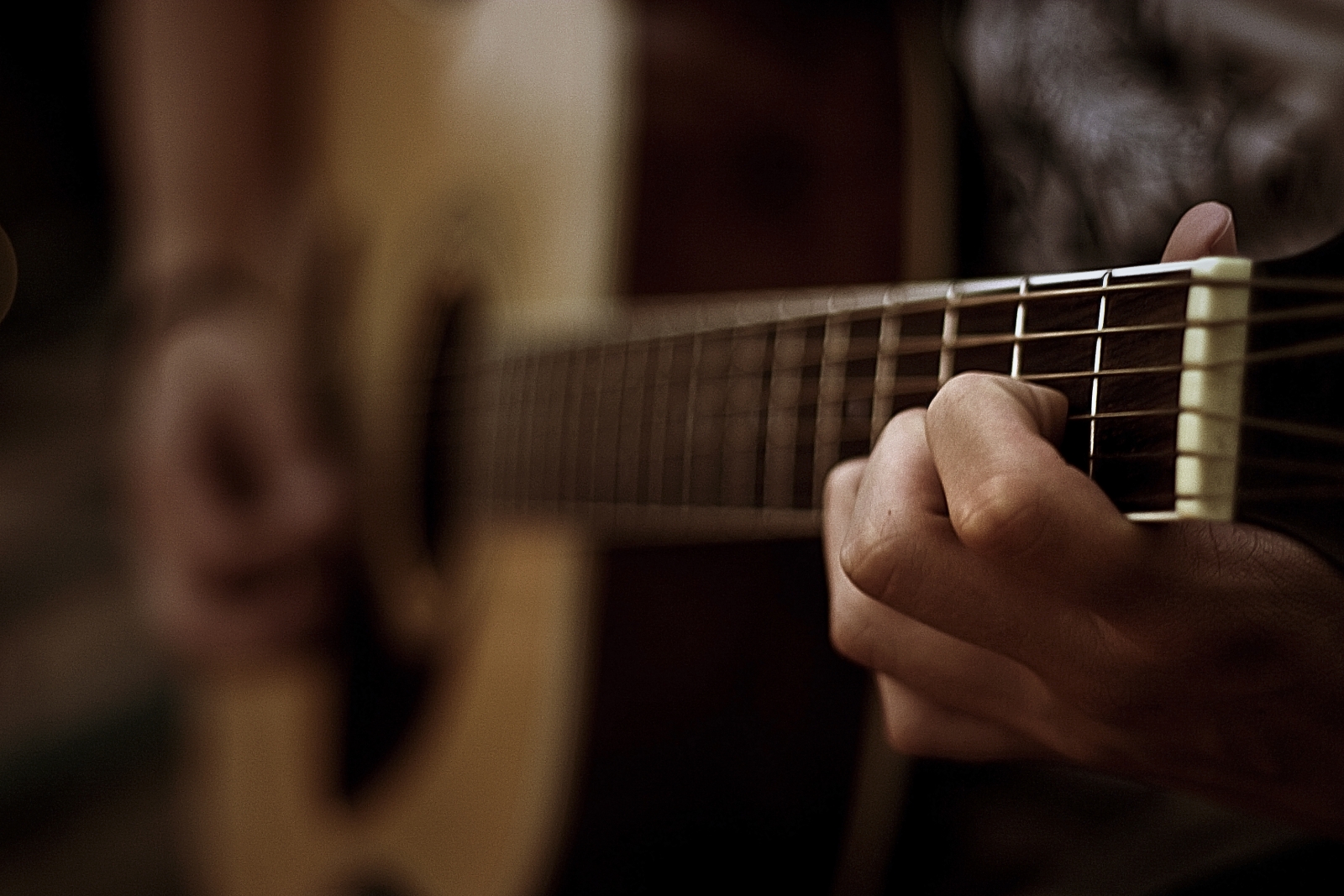
- Encourage practice. Dylla, Radcliff and Hernandez all advocate daily practice. They suggest that parents make it more fun by learning alongside their students, playing or singing duets with them or having their children teach them. Even if you think you are tone-deaf, "When your little one starts an instrument, you can, too," Hernandez says. "At some point, get a private teacher who gives assignments, and requires students to complete them," Radcliff says. "The hardest thing for all musicians is taking the instrument out of the case … once they start practicing, time just gets lost, and they have the reward of sounding better and better."
- Make music a social activity. Music doesn't have to be a solitary endeavor, Radcliff says. SYSO emphasizes young people "playing and discovering" together, from chamber music groups that play around town to the full orchestra. "It's so much fun for students to play together with classmates; it builds on the parent-child early learning experience," he says, with great enthusiasm. "To keep kids interested, have them join a youth or community orchestra or rock band, play Christmas carols with friends, go busking." Many organizations, like the Music Center of the Northwest, the School of Rock and Music Works provide group classes, ensembles, bands and choirs for students to join.
Making music may not end up being your child's passion. "Maybe your little one is meant to dance or write or be the next president, and that's great!" Hernandez says. "The thing you don't want to do is not give an instrument a chance."