When it starts snowing in the mountains, Snoqualmie Pass is often the first place Seattle-area families look for winter fun. It’s close, it’s accessible, and when conditions line up, it delivers everything from easy snow play to full-on ski days.
But Snoqualmie Pass is also famously unpredictable. Snow levels can change overnight. Parking fills early. Popular activities sell out. And showing up without a plan — especially with kids in tow — can quickly turn a much-anticipated snow day into a frustrating one.
Whether you’re hoping to sled, tube, ski, snowshoe, or just let the kids play in the snow, a little advance planning goes a long way. This guide breaks down the best winter activities at Snoqualmie Pass, what to reserve ahead of time, where families actually find snow play, and what to know before you hit the road—so you can spend more time outside and less time troubleshooting.
Plan Ahead for Snoqualmie Pass Winter Activities
If there’s one rule for visiting Snoqualmie Pass in winter, it’s this: don’t arrive without a plan.
In recent years, the Pass has seen a surge in visitors, especially on weekends and snowy days. Skiing, snowboarding, tubing, and even parking are now closely managed, and many activities require advance reservations. Showing up and hoping to figure it out on arrival often leads to sold-out tickets, long waits, or limited options.
If you plan to ski or snowboard, purchase lift tickets online in advance and reserve rentals ahead of time if needed. Tubing sessions at the Summit must also be booked online — there are no same-day ticket sales on site. Snowshoeing and snow play areas may not require reservations, but they do require permits and early arrival, particularly after fresh snowfall.
Before you go, check the Summit at Snoqualmie website for current conditions, activity availability, and capacity updates. Weather, road conditions, and demand can shift quickly, so flexibility—and a backup plan—can make the difference between a smooth day in the snow and an early turnaround.
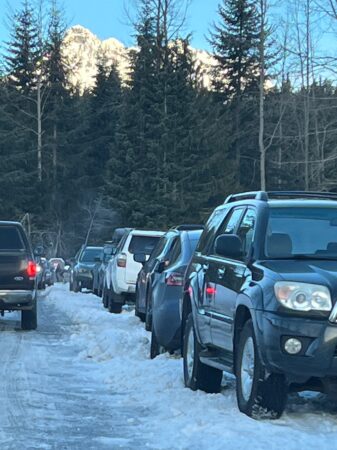
Ah, Snoqualmie Traffic. (Image: Terumi Pong / Seattle’s Child)
Sledding and Snow Play at Snoqualmie Pass
For families looking for classic winter fun without committing to a full ski day, sledding and snow play are some of the most popular winter activities at Snoqualmie Pass. The key is knowing where sledding is allowed, what requires a reservation or permit, and which spots work best for different ages and comfort levels.
Below are the most reliable options for sledding and snow play near Snoqualmie Pass, from guaranteed tubing sessions to do-it-yourself snow play areas.
Snoqualmie Pass Tubing at the Summit
The easiest and most predictable way to sled at Snoqualmie Pass is to book a tubing session at the Summit. Tubing offers a designated hill, groomed lanes, and a set time slot — removing much of the guesswork that comes with winter outings.
Tubing sessions must be reserved online in advance, and tickets are not sold on site. The Tubing Center opened for the season on January 1, 2026. Each session runs for a set amount of time, which helps keep crowds manageable and ensures families actually get time on the hill.
For safety reasons, children under 45 inches tall are required to ride with an adult, seated on the adult’s lap. Helmets are recommended, and snow boots and waterproof clothing are a must, especially on warmer days when the snow is wet.
Gold Creek Pond Sledding and Snow Play
If you prefer to bring your own sleds and enjoy unstructured snow play, Gold Creek Pond is one of the most popular spots near Snoqualmie Pass. This Sno-Park offers wide open space for sledding, snow play, and scenic winter walks when snow conditions allow.
A Sno-Park permit is required to park at Gold Creek Pond and must be purchased in advance, printed, and displayed on your vehicle dashboard. Day permits require selecting a specific date, making early arrival especially important—parking fills quickly on weekends and after fresh snowfall.
Gold Creek Pond becomes extremely busy during peak winter weekends. Park only in designated areas, avoid blocking emergency access routes, and note that there is no garbage service at the site. Visitors are expected to pack out everything they bring in, including food waste and dog waste, to help keep the area accessible for everyone.
Hyak Sno-Park
For families looking for an alternative when Gold Creek Pond is full, Hyak Sno-Park can be a solid Plan B. It also requires a Sno-Park permit and offers space for sledding, snow play, and snowshoeing.
Hyak can feel a bit less crowded than Gold Creek Pond, especially later in the day, making it a good option for families who arrive after mid-morning. As with other Sno-Parks, conditions can vary, so it’s best to check snow levels and parking availability before heading out. For more, check out our Complete Guide to Hyak Sno-Park.
Parking at Snoqualmie Pass
Parking at Snoqualmie Pass has been a major pain point in recent winters, and the resort has continued to refine its approach for the 2025–2026 season. The good news for families is that paid parking has been scaled back compared to last year — but it still requires advance awareness and planning, especially on busy days.
For the 2025–2026 winter season, paid parking is required only on weekends and holidays at the Summit and Alpental ski areas. Weekday parking remains free.
Summit West, Central, and East Parking
On weekends and holidays, parking at Summit West, Central, and East costs $15 per vehicle per day for most visitors, including day ticket holders and Ikon Pass holders. Summit at Snoqualmie passholders (including Alpine and Nordic passes) continue to receive free parking throughout the season.
Alpental Parking
Parking at Alpental costs $25 per vehicle per day on weekends and holidays. This higher fee reflects limited parking capacity and high demand, particularly during peak ski conditions.
Carpool Discounts
Carpools of three or more people can park for free in select Summit lots, and at Alpental as space allows. Availability is not guaranteed, so early arrival is still key.
What Families Should Know Before They Go
- Parking fees apply per vehicle, not per person
- Parking availability is not guaranteed, even with payment
- Arriving early dramatically increases your chances of finding a spot
- Have a backup plan in case lots fill or weather conditions change
For the most up-to-date details, including lot locations and carpool-eligible areas, check the Summit at Snoqualmie’s revised parking guide before heading out. Parking policies and availability can change quickly based on weather and crowd levels, so a quick check the morning of your trip is always worth it.
Skiing and Snowboarding at the Summit at Snoqualmie
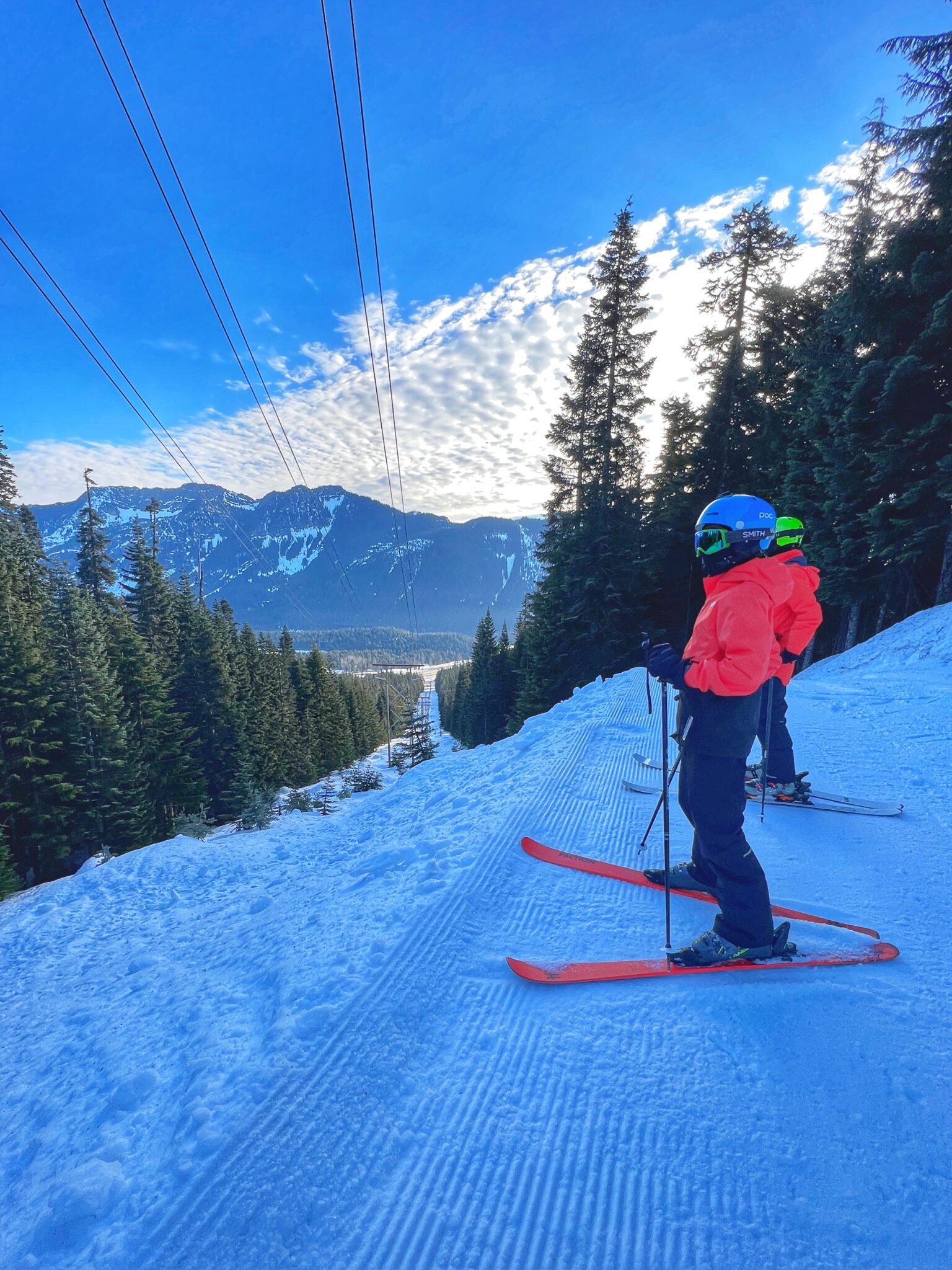
The Summit at Snoqualmie is one of the most popular places for skiing and snowboarding in Washington — and for good reason. Its close proximity to Seattle makes it an easy day trip, and its variety of terrain works well for families with mixed skill levels.
Unlike some single-base resorts, the Summit is spread across several areas, each with its own base lodge and personality. This layout can feel confusing on a first visit, but it also means skiers and riders can choose terrain that fits their comfort level without feeling overwhelmed.
Terrain for All Abilities
The Summit offers a wide range of runs, from gentle beginner slopes to more challenging terrain, making it a solid option for families skiing together at different levels. Beginners and younger kids often feel more comfortable here thanks to the approachable green runs and clearly designated learning areas.
Lessons for Kids and Adults
Lessons are available for both children and adults, with group options for kids ages 4–12 and teens and adults 13 and older. Booking lessons in advance is strongly recommended, especially on weekends and during peak snow periods, as spots can fill quickly.
Night Skiing
One standout feature of the Summit at Snoqualmie is its extensive night skiing, with hundreds of acres of lighted terrain. Night skiing can be a great option for families looking to avoid daytime crowds or fit skiing into a shorter winter day, though colder temperatures are common after dark.
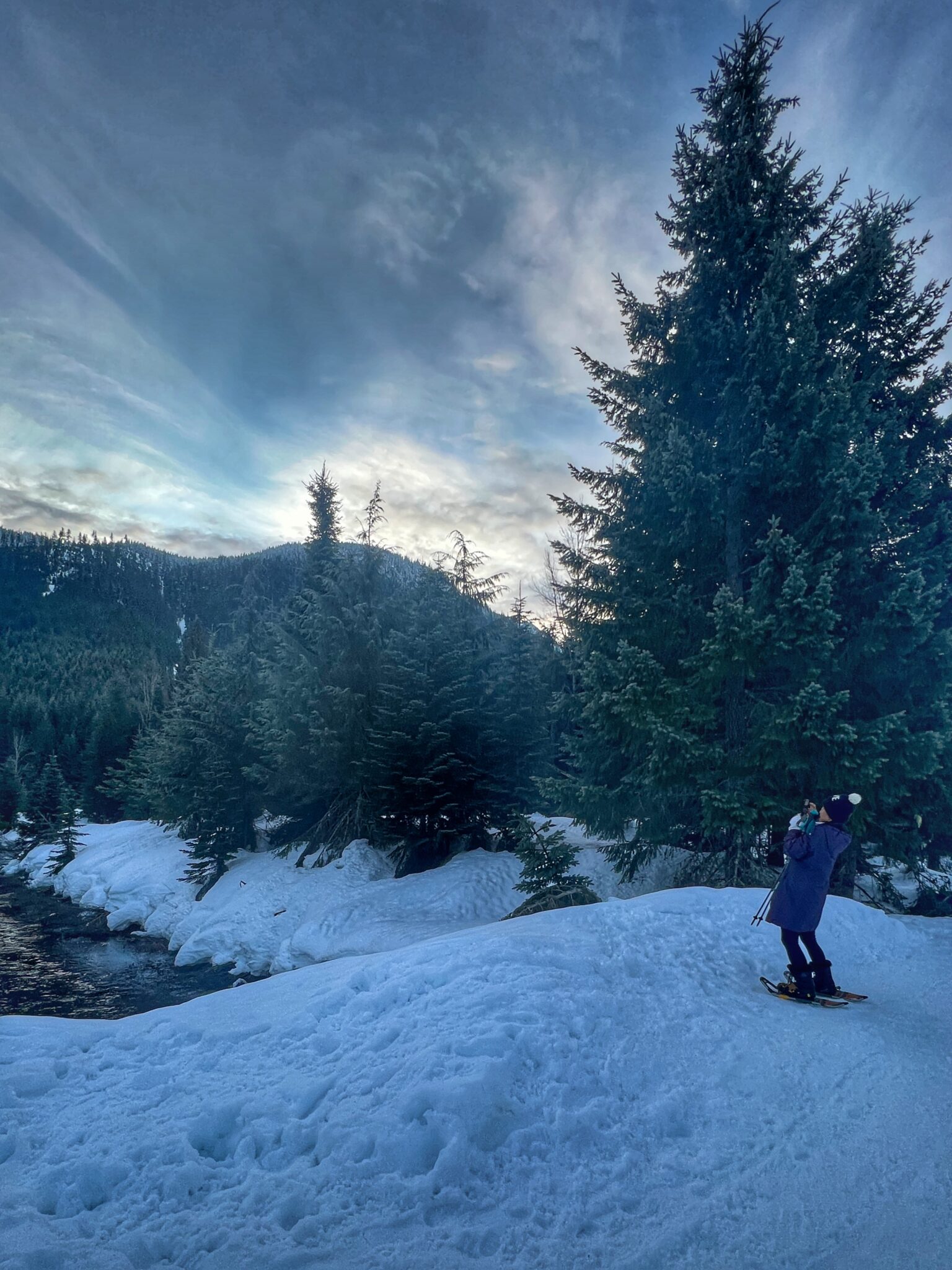
(Image: Terumi Pong / Seattle’s Child)
Tickets and Planning Tips
Lift tickets should be purchased online in advance whenever possible, and families should plan ahead for rentals, lessons, and parking — especially on weekends and holidays. Weather conditions, road closures, and crowd levels can all impact the experience, so flexibility is key.
For families seeking a convenient, accessible place to ski close to home, the Summit at Snoqualmie remains one of the most reliable options near Seattle—particularly when expectations are set and plans are made ahead of time.
Snowshoeing and Other Winter Activities
If skiing or tubing isn’t in the cards — or if crowds and reservations make those options feel overwhelming — snowshoeing can be one of the most flexible and family-friendly winter activities at Snoqualmie Pass.
Snowshoeing doesn’t require lift tickets or set time slots, and it’s often more forgiving for families with mixed ages, first-timers, or kids who just want to explore the snow at their own pace. On busy winter weekends, it can also be a smart alternative when ski areas are full or tubing sessions sell out.
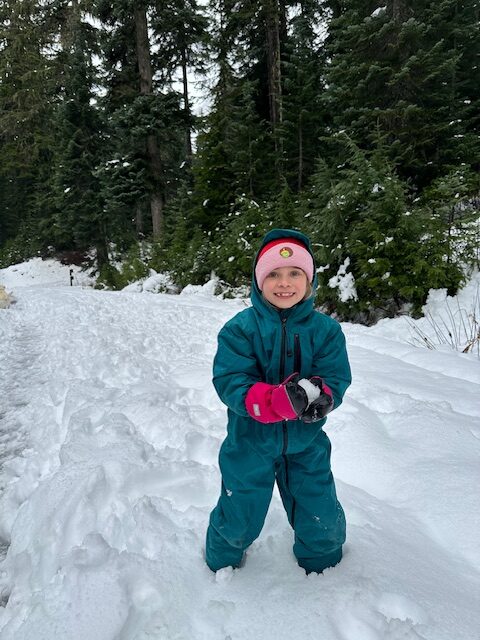
(Image: Terumi Pong / Seattle’s Child)
Snowshoeing at Snoqualmie Pass
Several areas around Snoqualmie Pass offer snowshoe-friendly terrain, ranging from short, flat routes to longer outings for older kids and adults. Many families pair snowshoeing with casual snow play, building in breaks for snacks, snow angels, and warming up.
Snowshoes can be rented both in Seattle and at locations near the Pass, but availability can be limited during peak weekends. Reserving gear ahead of time—or bringing your own—can help avoid last-minute frustration.
Why Snowshoeing Works Well for Families
- No lift lines or scheduled sessions
- Easier to adapt for different ages and energy levels
- Less expensive than skiing or snowboarding
- A good option when conditions are icy or visibility is low
As with sledding and snow play areas, some snowshoe routes require Sno-Park permits, and parking fills quickly after fresh snowfall. Checking conditions and arriving early can make a big difference.
Rentals and Gear Near Snoqualmie Pass
If you don’t already own winter gear — or don’t want to dig it out of storage — renting equipment is an easy way to enjoy Snoqualmie Pass without a big upfront investment. The key is knowing where to rent and when to reserve, especially during peak winter weekends.
Renting Gear in Seattle
Many families choose to rent sleds, skis, snowboards, and snowshoes before heading to the mountains. Stores like REI, EVO, and Alpine Hut offer a range of rental options in the city, which can be more reliable than waiting until you arrive at the Pass.
Renting in advance also saves time on busy days and ensures you have gear that fits properly — an important consideration when renting for kids.
Renting Gear at Snoqualmie Pass
There are also rental options on or near the mountain, including EVO’s Snoqualmie Pass location across from Mountain West Ski Area. On-mountain rentals are convenient but can sell out quickly, particularly after fresh snowfall or on holiday weekends.
Because inventory can fluctuate, it’s best to call ahead or reserve online whenever possible to confirm availability.
What to Bring From Home
Even if you’re renting major gear, families should plan to bring:
- Waterproof boots
- Snow pants and insulated jackets
- Gloves or mittens (extras are helpful for kids)
- Helmets, especially for sledding and tubing
- Warm layers for changing conditions
Extend Your Stay: Where to Rest Up
While many families visit Snoqualmie Pass as a day trip from Seattle, staying overnight can turn a busy snow day into a more relaxed winter getaway — especially after an early start, winter driving, and hours spent outside.
One of the most popular places for families to stay near Snoqualmie Pass is Suncadia Resort, located about 30 minutes from the mountain. Suncadia offers a mix of lodging options along with kid-friendly amenities that feel especially welcome after a cold day in the snow.
Families appreciate the heated swimming pool and hot tub, which are perfect for warming up sore muscles, as well as the on-site restaurants, winery, and spa. During the winter months, Suncadia often gets snow of its own, creating additional opportunities for casual sledding and snow play right at the resort — no extra driving required.
Where to Eat at Snoqualmie Pass
After a few hours in the snow, warm food and easy options matter — especially when kids are tired and cold. While Snoqualmie Pass isn’t a dining destination, there are several reliable places to grab a meal or snack without leaving the area.
On-Mountain Dining at the Summit
The Summit at Snoqualmie has multiple base lodges with food service, offering hot meals, snacks, and indoor spaces to warm up. These lodges are convenient if skiing or tubing is your main activity, allowing families to eat without packing up and moving the car.
Expect cafeteria-style options and crowds during peak lunch hours. Bringing your own snacks can help fill gaps or avoid long lines, especially for younger kids.
Laconia Market
One of the newer and more family-friendly food stops near Snoqualmie Pass is Laconia Market, located across from Summit West. The market offers grab-and-go sandwiches, salads, hot and cold drinks, charcuterie plates, and a solid selection of snacks and treats.
There are a few picnic tables outside, making it a good option for a quick bite between activities or a post-snow refuel before heading home.
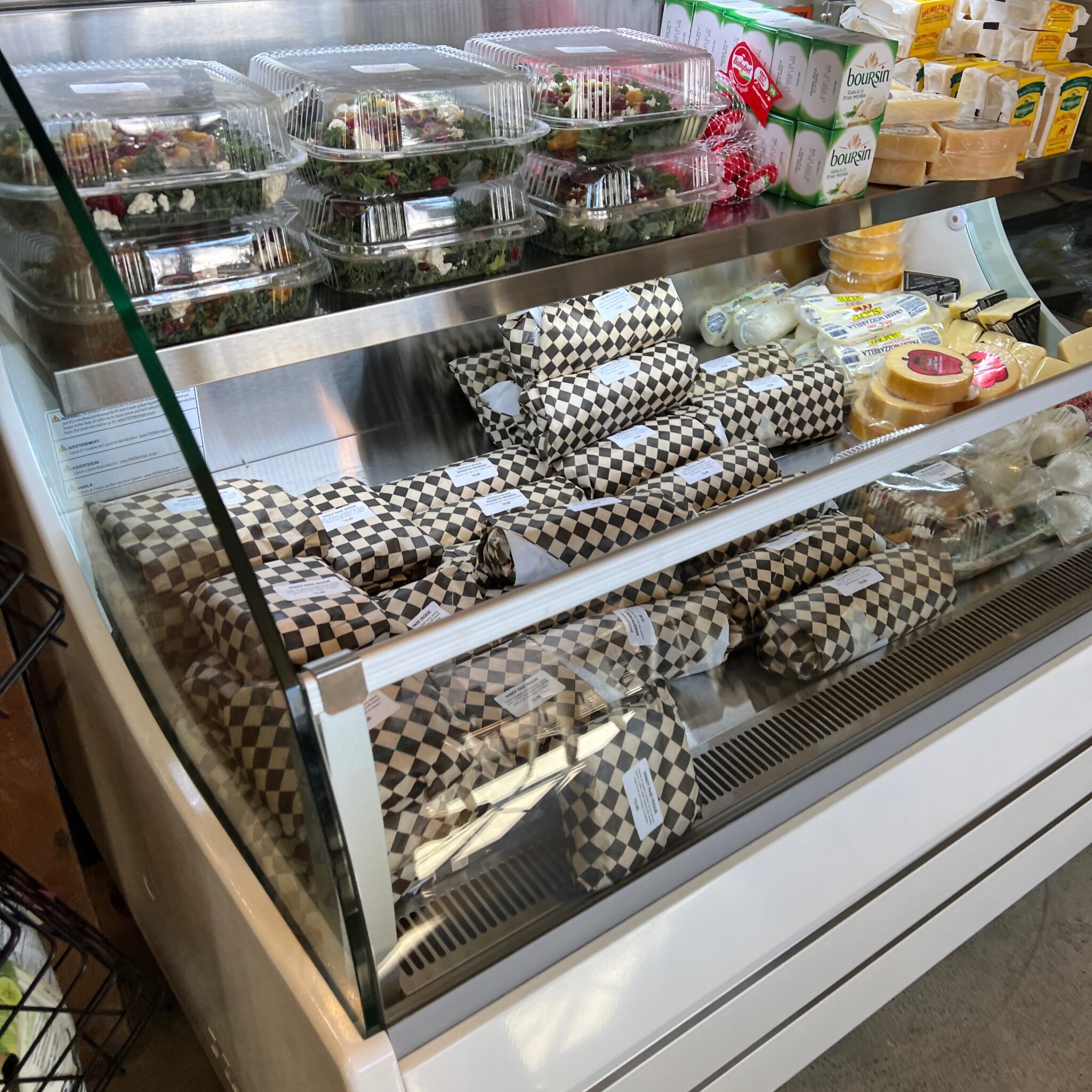
Laconia is great for grab-n-go. (Image: Terumi Pong / Seattle’s Child)
Post-Snow Food Stops
For families looking to wind down after a day outside, The Commonwealth Restaurant and the food trucks that often park near Dru Bru are popular choices. These spots work well for a more relaxed meal once the gear is packed away.
Know Before You Go
A little preparation can make a big difference when visiting Snoqualmie Pass in winter. Conditions, crowds, and travel times can change quickly, so planning ahead helps keep the day safe — and enjoyable.
- Check road and weather conditions before leaving. Call 511 or visit the Washington State Department of Transportation website for real-time updates on mountain passes, closures, and travel advisories.
- Pack a winter travel kit. Bring blankets, water, snacks, a flashlight, and a shovel in case of traffic delays, long waits, or unexpected weather changes.
- Plan for winter driving. Snow tires or chains may be required during icy conditions or active advisories. Even experienced winter drivers should expect slow travel times on snowy days.
- Dress for changing conditions. Waterproof outerwear, warm layers, extra gloves, and dry socks are especially important for kids, who tend to get wet and cold faster.
- Arrive early and stay flexible. Parking fills quickly on weekends and holidays, and popular activities may sell out. Having a backup plan—or being willing to switch activities — can save the day.
- Respect posted rules and closures. Park only in designated areas and follow signage to keep roads clear for emergency vehicles and maintenance crews.lexible.
More Winter Fun Near Seattle
If Snoqualmie Pass is just one stop in your winter plans, there are plenty of other ways to enjoy snow and cold-weather fun around the Seattle area. Whether you’re looking for more sledding options, quieter snow play, or new ways to get out on the snow, these guides can help you keep the season going.
- Sledding Around Washington | Looking for more places to sled with kids? Our sledding guide rounds up family-friendly hills and snow play areas across Washington, including options that don’t require a full mountain drive.
- Hyak Sno-Park Family Guide | If Hyak becomes your go-to—or you want a deeper dive before you go—this guide covers what families need to know about parking, permits, sledding spots, and snowshoe-friendly areas at Hyak Sno-Park.
- Night Skiing Near Seattle | Want to avoid daytime crowds or squeeze in skiing after school or work? Our night skiing guide breaks down where to ski after dark near Seattle and what families should know before heading out.
- Cross-Country Skiing Near Seattle | For a quieter, lower-key winter activity, cross-country skiing can be a great option for families. This guide highlights nearby Nordic skiing areas, rental tips, and what works best for beginners and kids.