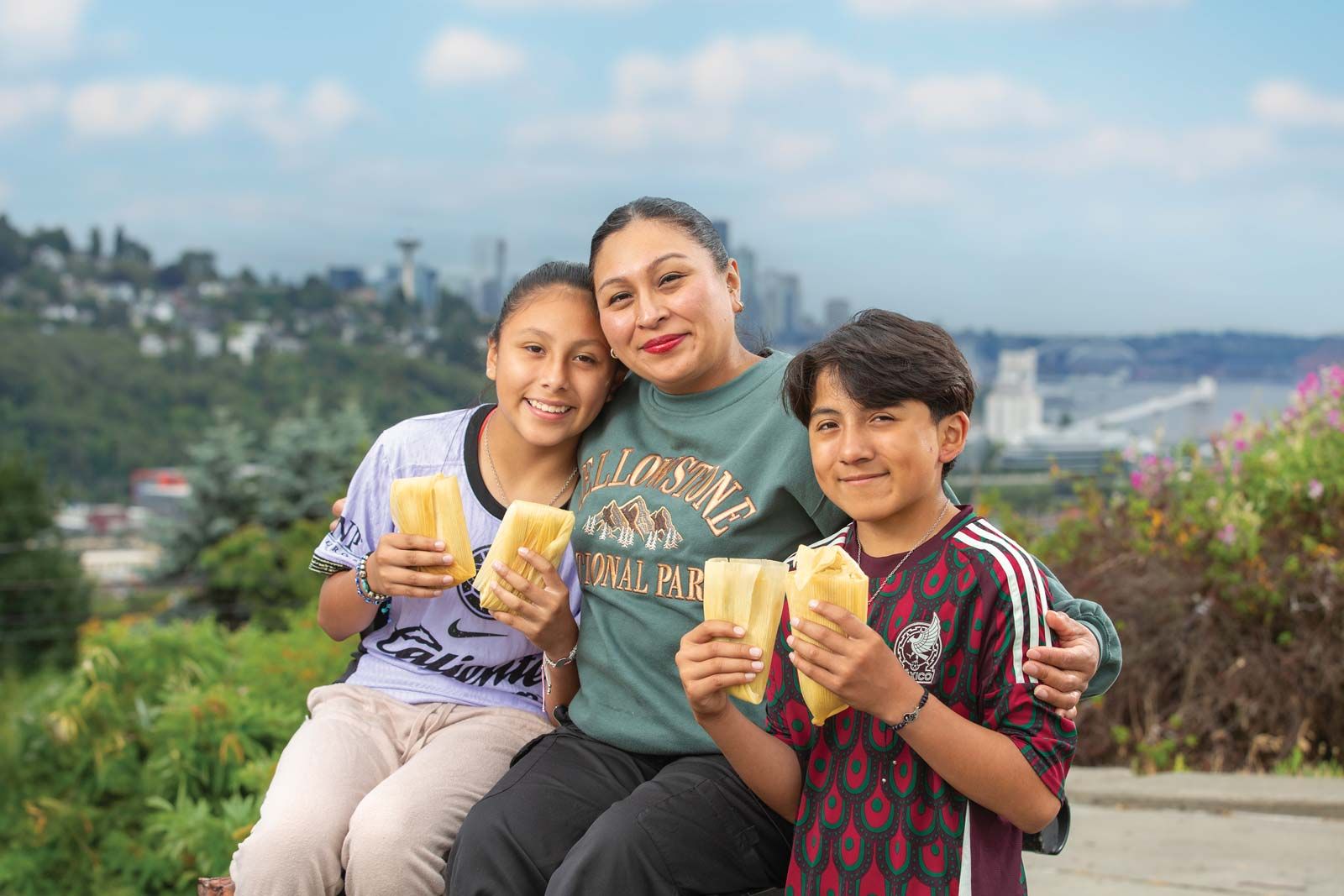
Before Arely Rodriguez’s twins started kindergarten, they ate everything she cooked: pozole, caldo de res, food from her native Mexico. But once they started school, all they wanted was fries, nuggets, and sandwiches.
“It was really sad,” says Rodriguez, who lives in Seattle. “Sometimes I was really mad. I cooked this one, so you have to eat it.”
The school lunchroom strongly influences kids’ opinions about food, whether it’s from the hot lunch menu or their classmates’ lunchboxes. Rodriguez’s daughter loves the Pocky that her Asian friends share, and her son loves sushi.
Hsiao-Ching Chou, a Seattle food journalist and author of three cookbooks on Chinese home cooking, packed lunches for her kids, now 15 and 17, all through school. Her go-to’s include pasta, fried rice with Chinese sausage, Japanese curry, and anything with rice and chicken. She’d even pack an extra lunch for her daughters’ friends because everyone wanted a taste.
It used to be that anything short of peanut butter and jelly would get you lunch-shamed. Chou, who grew up in central Missouri, says Seattle is something of a bubble. That, and times have changed.
“The global flavors are more accepted and more widely available,” Chou says. “Everybody’s watching those competition shows, like ‘Top Chef,’ and they’re exposed to a wider range of food and flavors.”
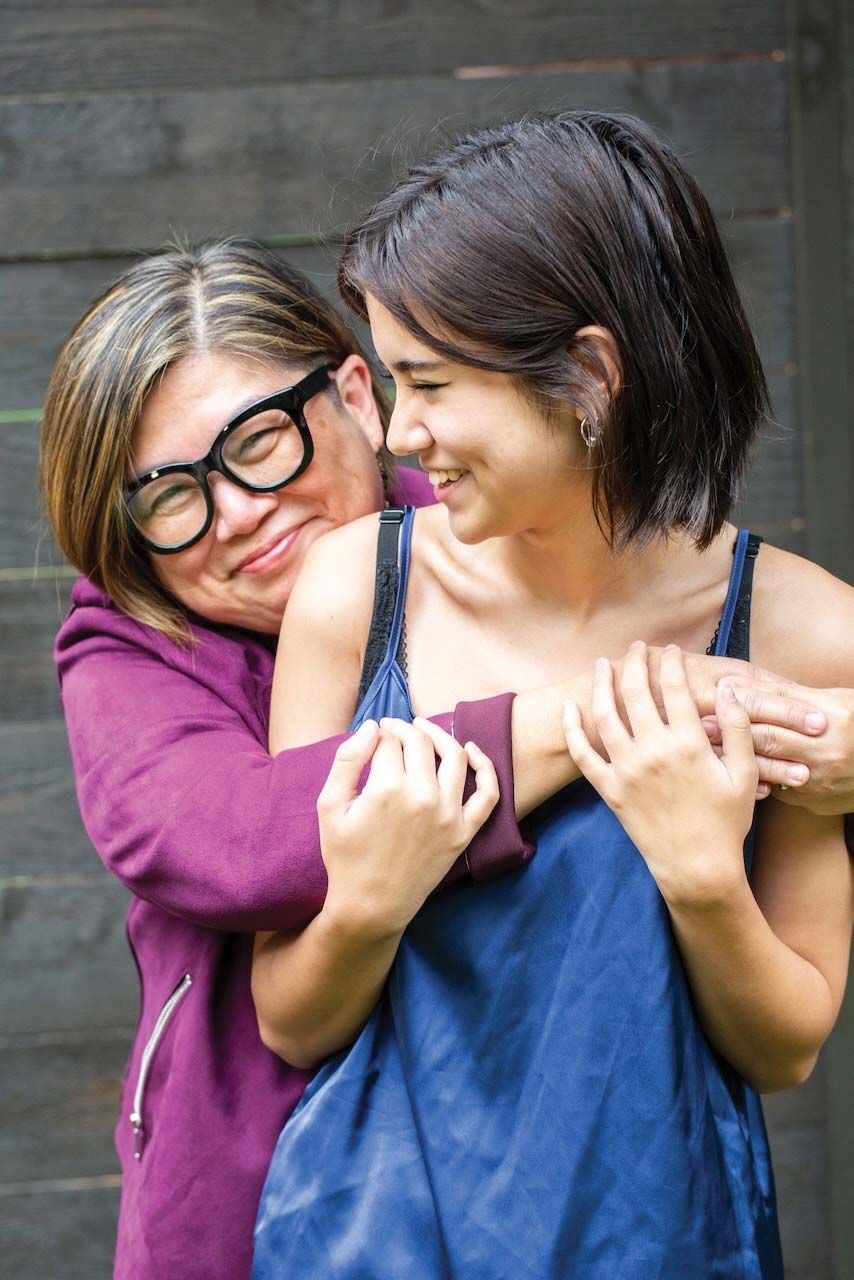
Hsiao-Ching Chou, a Seattle food journalist and cookbook author, and Meilee Riddle. Photo by Clare Barboza
Get the kids involved
If you’re trying to expand a kid’s palate, you have to make it fun. Maybe pick a different cuisine each week or month. Look at cookbooks or websites for recipes, then go shopping for ingredients together.
“Involve them with the process of learning about and creating the food, so they have some investment in the appreciation of the final results,” Chou says. “And hopefully, they’re more likely to eat it. Hopefully, they’re proud of what’s in the lunchbox. ‘Yeah, I helped my mom make that.’”
Schedule too hectic to dive into recipes? Pick low-key ways to sample different cuisines, whether it’s frozen dumplings from the grocery store or the puff puff (deep-fried dough) stand at the farmer’s market.
Read books, watch shows about different foods
“What’s That?” is a picture book that tells the story of a boy who packs his favorite Taiwanese foods for his first day of school, only to feel self-conscious in a sea of deli meat and bread.
Los Angeles mom Karen Chan wrote “What’s That?” to encourage kids to be proud of their food, not embarrassed by it. Another message in the book is that people eat all kinds of different foods. (Just walk down the frozen aisle at Trader Joe’s. . .)
Chan makes a point of reading books and watching shows about different foods and cultures with her kids, ages 5 and 2. Some of her family’s favorites: “Soul Food Sunday,” “Sunday Funday in Koreatown,” “How to Fold a Taco,” and “Mira Royal Detective.”
Make lunch easy to access
Time is of the essence, so make lunch easy for kids to access on their own. Start by finding the right container; Chou likes squat thermal containers with a wide mouth.
When she sends dumplings to school, Chou tucks in a tiny squeeze bottle with just enough dipping sauce to avoid accidents. Consider something that can be finger food, like cooled-down dumplings. And don’t pick foods that will turn mushy. “My kids love, love, love katsu, but that doesn’t hold super well for lunch,” Chou says.
Mix it up
Sometimes Chan packs lunches, other times she signs her kids up for school lunch. With the lunches she packs, she tries to mix it up. The lunchbox might contain sushi rolls or soba noodles or a sandwich. To learn about Seattle Public School’s efforts to offer culturally diverse meals, check out “A Seattle Schools lunch revolution” at Seattleschild.com.
“Kids are pretty fickle — one day they love something, and the next day they don’t,” Chan says. “Every now and then, I’ll get a complaint from my kid, or a lunch will come back untouched, but I try not to let that dictate what I pack too much.”
Stick with it
For Rodriguez, it’s important for her kids to hold onto their Mexican heritage, and that means eating Mexican food. The kids complain, but Rodriguez encourages parents not to give up.
“Home food is much better than fast food. So I’m still doing it even if the guys don’t eat it. Or a lot of it,” Rodriguez says. “With time, they’re going to accept it and they’re going to eat it.”