Lisa Aamot didn’t know what was wrong with her, but she knew something was wrong – very wrong.
It was the spring of 2017, and the Bellingham mom was 33 weeks pregnant with daughter Kinley, her second child. She had been battling varying degrees of cold symptoms for weeks, but now found herself with an intense side ache.
The first doctor she reached out to, her OB/GYN, dismissed her symptoms as, “You’re pregnant,” but her primary care doctor shared her concerns and ordered bloodwork. It showed something wrong with her liver, right lung, and right kidney. Her eyes were becoming jaundiced by the time she was admitted to the labor/delivery unit at UW Medicine in Seattle.
She eventually learned, from a medical team in full personal protective equipment (a sight that would not become common until three years later during COVID), that she had cytomegalovirus, commonly known as CMV.
Never heard of CMV? You’re not alone, but it’s something we all need to know about. June is CMV Awareness Month, and Lisa is helping the Washington State Department of Health spread the word. So is Kinley.
CMV is a common, but often unknown virus, that can cause serious health complications in babies if an expectant mom contracts it during pregnancy. In extreme cases, it can cause pregnancy loss.
One in 200 babies is born with CMV, which is the leading infectious cause of childhood disabilities and the leading non-genetic cause of childhood hearing loss. It can cause cerebral palsy, seizures, and developmental delays.

Advocates want to share two key messages:
- Precautions that pregnant women should take to avoid getting CMV and potentially spreading it to their newborn.
- The need for diagnosis and testing of potentially exposed infants.
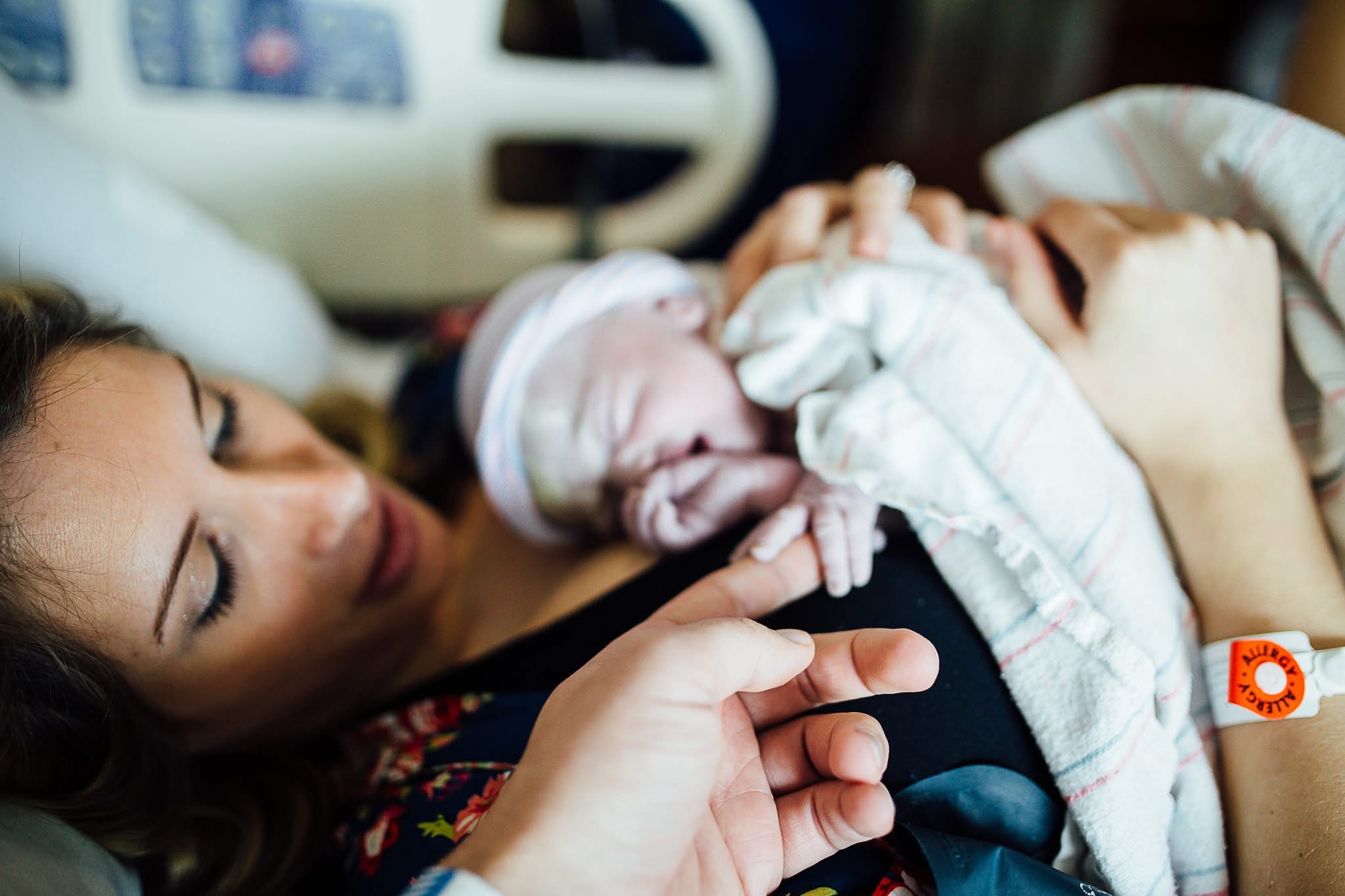
Back to Lisa’s story: Baby Kinley was born showing no obvious symptoms of CMV, but because of her mom’s diagnosis, she was tested. When the results came back, a nurse unfamiliar with the condition misread them. First came good news: Kinley had tested negative for CMV. A few minutes later, the opposite: Kinley was positive for CMV.
“We went from happy, elated, and relieved to absolutely devastated,” Lisa recalls.
That began a time of loneliness and anxiety for the mother of a child with a relatively unknown disorder. “I had to start advocating for myself and my baby,” she says.
She found support online that she likened to “hands reaching out in the dark.” As time went on, she says, “I wanted to be that hand for other women.”
She went on to have a third child after a healthy pregnancy, during which she was extra-extra careful with things like handwashing and not sharing food or utensils, particularly with kids (more on that in a bit).
As for Kinley, she experienced what are called focal simple seizures in her first year, plus headaches. Then the symptoms tapered off. The family thought they were out of the woods, at least for a while, because CMV symptoms in kids often continue until around age 6, plateau, then spike again at the onset of puberty.
Kinley’s experience has been different. She turned 9 this spring and began reporting that she could not hear out of one ear. “We don’t know if it will continue to progress,” says Lisa, as the family enters a new chapter in their CMV journey. They are very thankful for a pediatrician who has been “amazing, helpful, and a great advocate,” taking extra steps to learn about CMV.

Like her mom, Kinley wants to help spread the word about CMV so that others can have an easier time than she did. Her mom says people often find Kinley quiet, and that she’s been described as an “old soul,” but she is also silly and joyful. “She has this quiet tenacity and an adventurous spirit,” her mom says. She loves playing soccer, gymnastics, and traveling.
Here’s what Lisa, Kinley, and the Washington State Department of Health most want you to know:
CMV is spread through contact with body fluids, so the best practices for avoiding it include:
- Not sharing food, utensils, drinks, or straws, especially with young children.
- Avoid contact with saliva when kissing a child.
- Not sharing a toothbrush.
- Washing hands with soap and water after wiping noses, changing diapers, feeding a child, or handling toys.
Common symptoms of CMV include fever, sore throat, fatigue, and swollen glands, but these symptoms can be mild or even absent.
If a mom tests positive for CMV before giving birth, the labor can be handled differently to protect the baby. In addition, a newborn showing symptoms of CMV can be given antiviral medication.
Testing for congenital CMV can happen until 21 days after birth. Testing can be done using blood, saliva, or urine, but saliva or urine is preferred.
As for Lisa and Kinley, they will continue spreading the word in June and every month. Says Lisa: “There has to be more awareness around this.”