My love for the outdoors began on long summer days in Seattle. Whether picking raspberries, biking down to the shores of Lake Washington to swim, or staying out until dusk, my caring for the environment started by spending time in it as a child — and it has stuck with me to this day.
It’s never too early or too late to encourage environmental stewardship. Use this list, with tips from local environmental organizations, to get started:
Water conservation: it all starts with us
Washington is expecting a significant drought this summer. Families can help conserve water by taking short showers, turning off water when washing hands or brushing teeth, fixing leaks, and using grey water for plants. These actions stretch limited water supplies, help maintain vital ecosystems, reduce energy consumption for water treatment, and reduce pollutants entering natural water bodies. To learn more, visit ecology.wa.gov
Reduce food waste by using parts of plants you wouldn’t usually use
Bela Sanchez, Solid Ground’s bilingual youth education coordinator, suggested some tasty options:
- Save leftover vegetable scraps in the freezer until there are enough to boil into vegetable broth (or with chicken bones for chicken broth).
- Don’t toss broccoli stems — peel and slice them for roasting or steaming.
- Blend carrot top greens with garlic, toasted nuts, parmesan, and olive oil to make a carrot top pesto.
Walk, bike, or use public transit this summer
Bussing, railing, biking or walking reduces carbon emissions. Alex Ko, systems delivery engagement director at Sound Transit, notes: “In 2024, Sound Transit riders helped avoid emitting over 255,000 tons of greenhouse gas emissions when taking transit instead of driving.”
King County Metro operates Trailhead Direct service, taking families to popular trailheads near Seattle, reducing congestion, and lowering emissions. View the full schedule at trailheaddirect.org
Participate in beach and park cleanups to help protect our waterways
Allison Holmes, community partnership manager at Puget Soundkeeper, told me about the hundreds of events the organization puts on every year to help keep the habitats in and around Puget Sound clean. “The future of Puget Sound begins with children turning over rocks at low tide, watching salmon return, and discovering that these waters are essential and alive,” Holmes said, inviting kids to:
- Join a Summer Cleanup Series event at pugetsoundkeeper.org/events
- Take part in kayak cleanups, open to anyone ages 12 and up with no prior experience required.
- Host your own salmon creek cleanup to protect fish.
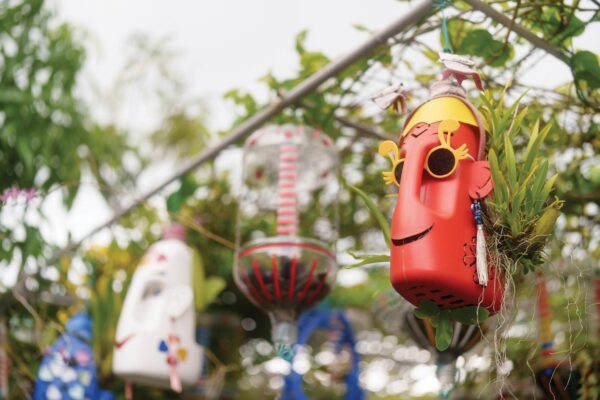
Upcycled plastic liquid bottles (Photo by Thai Liang Lim / iStock)
Start an Upcycle Bin
Create a space in your home to store items that can’t be recycled but can easily be repurposed. Encourage children to use their imaginations, turning would-be-waste into something new. In our home, we repurpose the occasional 2-liter bottle into mini greenhouses by cutting off the bottom and setting the bottles over newly transplanted vegetable starts. National nonprofit Doing Good Together (DGT) has great resources to start your own Upcycle Bin at home.
Help protect our urban forests and green space
I’ve volunteered in my local urban forest, the East Duwamish Greenbelt, through Green Seattle Partnership. For a few hours on a Saturday, we pulled blackberry and other invasive species, transplanted native plants, and spread mulch. I brought my one-year-old and he slept in the backpack as I worked. Now, when we walk the trail, we check on the Western trees we planted a few years ago. Visit 3greenseattle.org
Take up plogging or plalking (plogwalking)
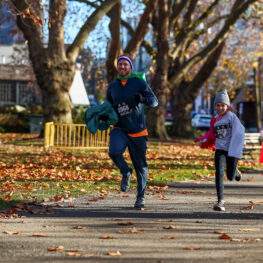
Plogging is gaining popularity in Seattle and around the world — it’s the simple act of taking a walk (plalk) or jog (plog) while picking up trash along the way. Tie trash bags to your waists and take family plogs in your neighborhood or park.
Do it with purpose
DGT espouses the “Parent with Purpose” approach: be intentional with a routine, set a time, introduce new ideas through reading together, reflect on what you learn with your children, and take action together as a family.