Spend an afternoon walking garden trails, taking in the colors of the season. These Seattle-area gardens are very popular, and must-sees (for a reason)! Definitely worth a visit, but some can get very busy depending on the time of year. If you’re looking for a lower stimulation outing with fewer crowds, consider checking out some of the area’s lesser-known garden gems.
Washington Park Arboretum | 2300 Arboretum Drive E. Seattle WA 98112 | Open: Dawn to 8 p.m. | With 230 acres of trails and plant life on the shores of Lake Washington, many species found only at the park, your family will enjoy a day of exploration, discovery and nature. Dogs on leash are allowed.
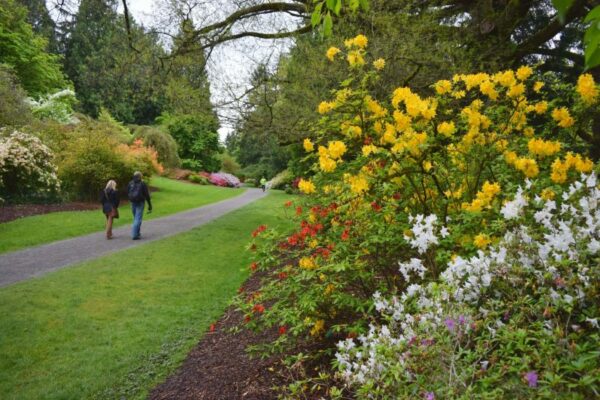
The Arboretum is open every day until 8 p.m., located at 2300 Arboretum Drive E. in Seattle. (Image: UW.edu)
Kubota Garden | 9817 55th Ave. S., Seattle, WA 98178 | Sunrise to sunset | Children will delight in the ponds filled with koi and the bridges over the pond. A beautiful place in Rainier Beach to take family pictures, or snap some shots of your children playing in the garden — Kubota is one of Seattle’s most popular gardens. Dogs on leash are allowed.
View this post on Instagram
Bellevue Botanical Garden | 12001 Main St., Bellevue, WA 98005 | Open: Dawn to dusk | Starting with a gentle waterfall at the entrance, the park’s varied landscapes draw children in. Kids will enjoy the windy paths. Dogs not allowed.
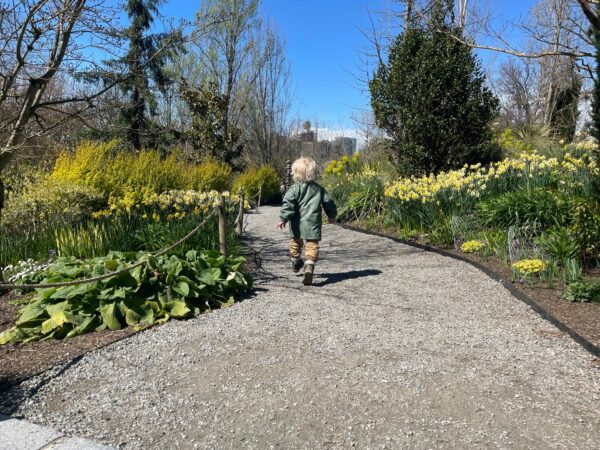
Bellevue Botanical Garden (Image: Kathryn Mueller)
Kruckeberg Botanic Garden | 20312 15th Ave NW, Shoreline, WA 98177 | Open: Thursday through Sunday. March – October: 10 a.m. – 5 p.m. and November – February: 10 a.m. – 3 p.m. | It’ll take you more than one visit to cover this beautiful park in Shoreline. There are four acres here. Go birding, hike to identify trees and plants, and stop at MsK Nursery. The “kids only” website features garden-themed virtual learning resources. Dogs on leash are allowed.
View this post on Instagram
Seattle Children’s PlayGarden | 1745 24th Ave. S. | Open: Dawn to dusk (except when summer camps are in session | This one-acre gem at the old Colman Playfield allows children with disabilities, along with their typically developing peers, to both safely and adventurously engage with nature. There’s an edible sensory garden, playground, water feature, a tree fort, an interactive music installation and a menagerie that includes a resident goose, chickens, ducks, and rabbits. The FREE PlayGarden Harvest Festival on Saturday, October 17th includes an autumn leaf print-making station, a cozy campfire in the grape arbor, festive photo opportunities, a pumpkin carving station, & a pie potluck! (BYO pumpkin and pie for the potluck).
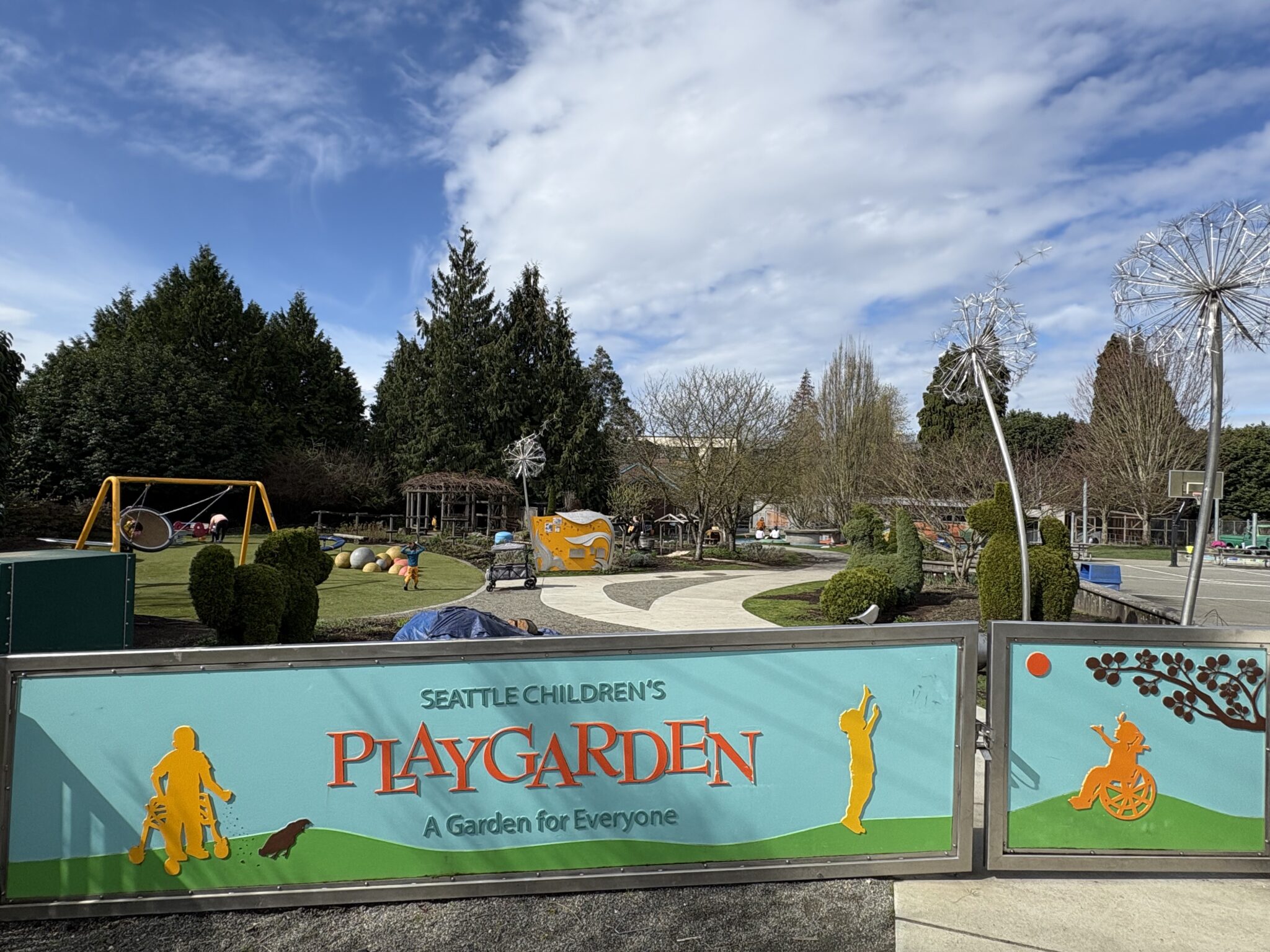
Entrance to Seattle Children’s PlayGarden. (Image: Allison Peterson)
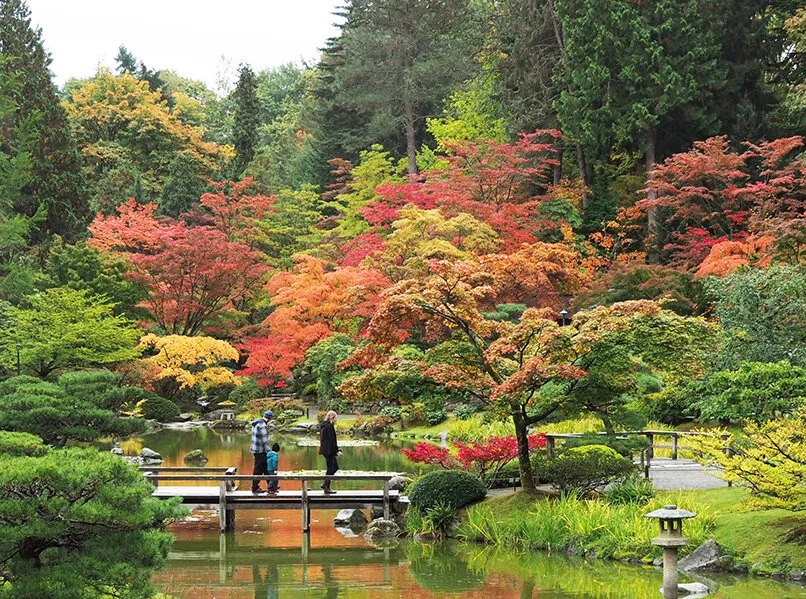
Seattle Japanese Garden | 1075 Lake Washington Blvd. E. | Open: Tuesday through Sunday, with seasonal changes in hours | Admission: Free for children 5 and under, $10 for adults, $6 for youth 6-17, disabled, seniors and college students with ID | This 3½-acre formal garden located inside the Washington Park Arboretum was the earliest postwar Japanese-style public garden on the West Coast. It has trails for peaceful strolling, and kids love crossing the small footbridges and spotting koi in the pond. Family Saturday programs provide family-friendly cultural experiences every month and offer free admission to the garden for youth 12 and under from 10 a.m. to 2 p.m. No dogs allowed at this park.
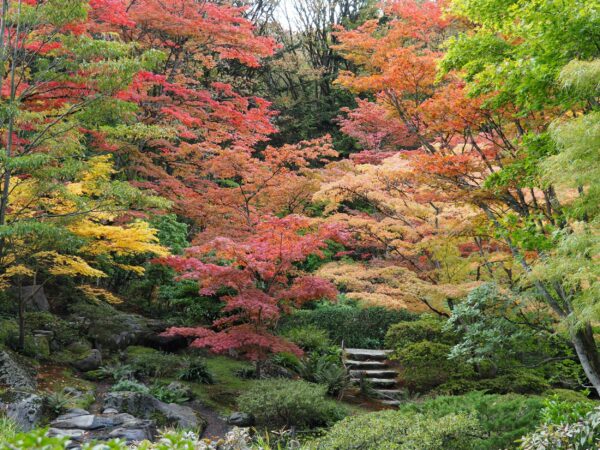
(Image courtesy Seattle Japanese Garden)
Bloedel Reserve | 7571 NE Dolphin Dr., Bainbridge Island | Open: year-round Tuesday through Sunday | Admission: $22+ for adults, $10+ for older students, $5+ for children 5-12, and free for children 4 and under | This tranquil 140-acre site on the north end of Bainbridge Island includes 23 distinct environments, from forested woodland to a bird marsh to a fairyland-like moss garden. Groomed trails snaking through the property encourage spontaneous meandering. Bloedel is considered a “living museum” and as such, eating food, picking flowers and wheels of any kind aren’t allowed; the experience is more zen than zoo. No dogs allowed at this park.
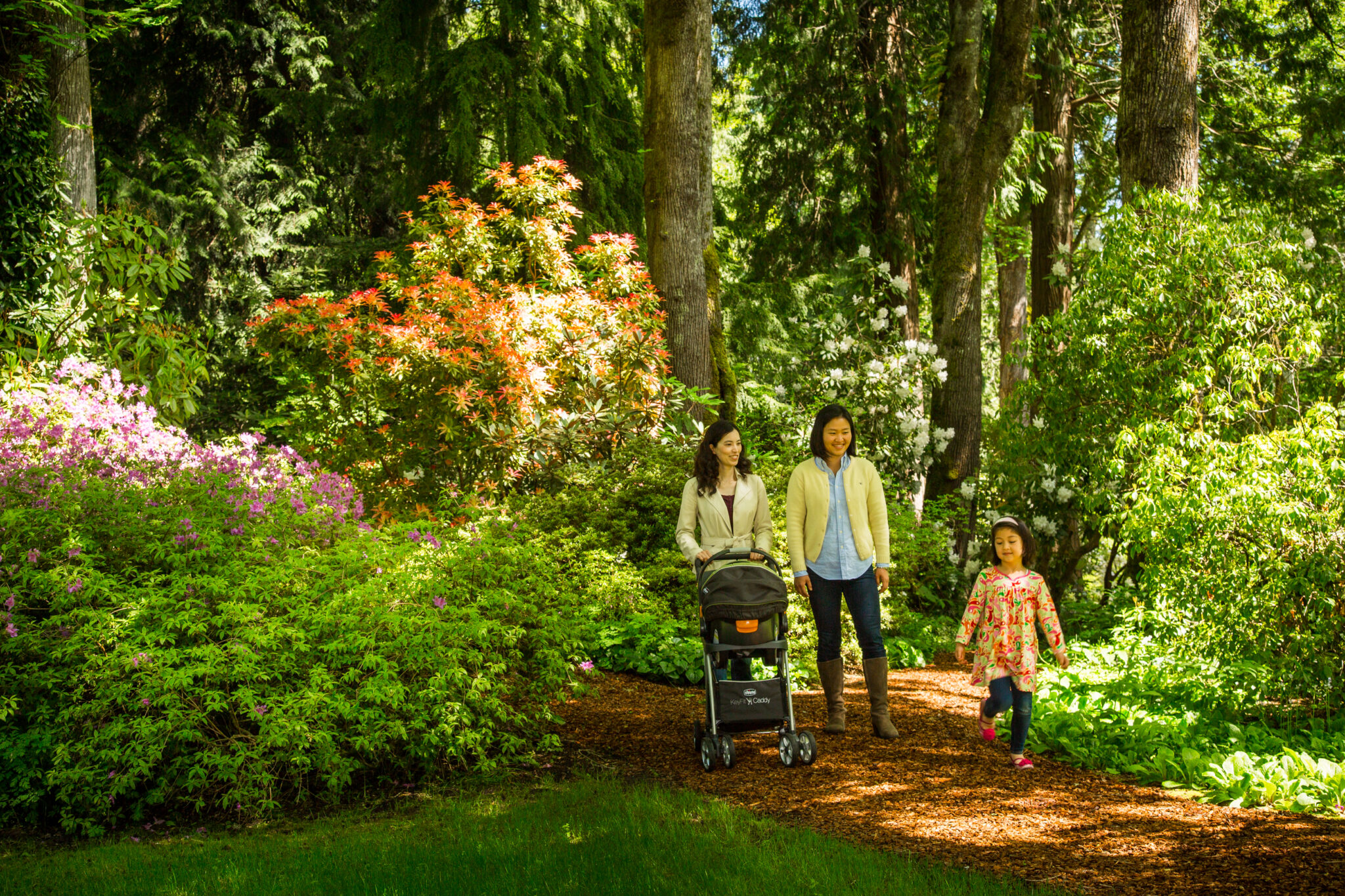
Visit Bloedel Reserve on Bainbridge Island. (Image courtesy: Keith Brofsky)