If passed by the state legislature this year, House Bill 2688 could result in a Washington that fails thousands of its most vulnerable residents—babies and toddlers with disabilities.
Last week, the House Committee on Appropriations voted to move the proposal forward—with one big, bill-turning change. Rather than increasing the budget for the Early Support for Infants and Toddlers (ESIT) program from $48 million to about $50 million a year by increasing its funding formula multiplier from 1.15 to 1.2, the amended bill sets the formula back to the 2008 multiplier level of 1.0. The program’s multiplier is the number the state uses to calculate how much money it provides for each baby or toddler receiving early intervention services. If the multiplier goes up, programs receive more money per child; if it goes down, they receive less.
The result of the amended bill would be tragic: fewer kids receiving critical early intervention services they need to thrive and significantly less money for school districts, which provide many of those services.
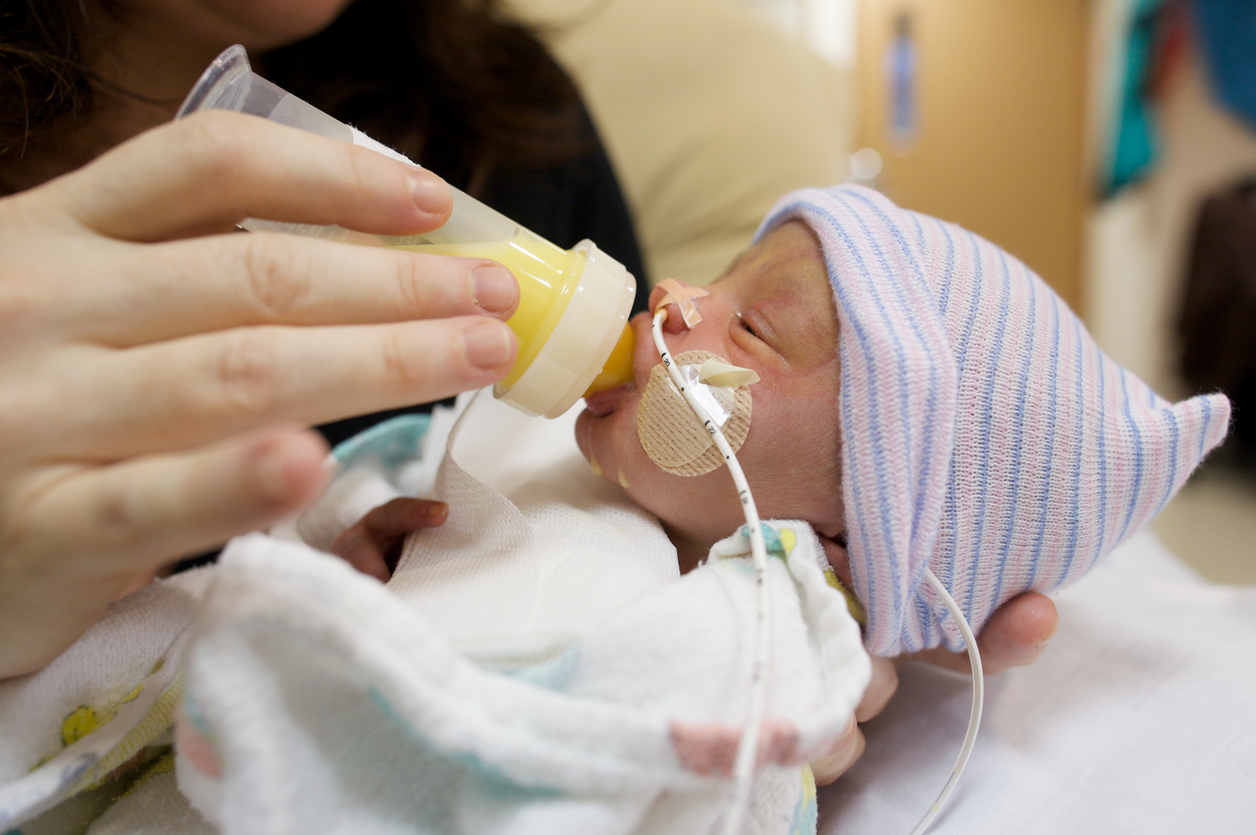
In King County, this means about 1,200 fewer children would have access to state-funded services to help them develop vital communication, motor, and basic survival skills (including eating). ESIT currently serves more than 7,000 infants and toddlers in the county with an array of diagnoses, among them Down syndrome, fragile X syndrome, cerebral palsy, epilepsy, hearing or vision loss, developmental delays, prematurity, severe illness, and autism spectrum disorder. The formula decrease would bring that number closer to 5,000.
Committee members who supported the amendment to reduce the funding formula multiplier pointed to the state’s current multi-billion-dollar budget deficit and competing demands.
Those against the amendment—chiefly Rep. Joshua Penner (R-Orting) and Rep. Travis Couture (R-Allyn)—argued with passion from lived experience. Both have children who have needed special education:
“Mr. Chair, from birth to death the disability community in Washington has to fight for the bare minimum of support, and today we’re once again considering balancing a budget by removing the supports of yet another part of that same group that literally cannot speak for itself, infants and toddlers fighting for their lives, trying to learn how to swallow and roll over and do the things that come natural for every other kid,” said Penner prior to the committee vote. “The move looks marginally good on paper, but it’s an execution; it’s devastating.”
Penner continued, asking a hard question about a program that already does not cover all Washington babies with special needs: “Who’s going to advocate for an increase? Is it parents who are spending 70 hours a week on top of their 40-hour jobs, taking care of their child, trying to figure out how to make things work? No, it’s not them. They don’t have folks coming down here. They’re actively taking care of their kids in the NICU.
“This isn’t a fix,” Penner said. “It’s not a solution. It’s not about parity at this point. It’s not about conformity. It’s not about ensuring that money comes from one bucket over another. It’s an easy take from a silent population.”
A 2025 review published in the journal Frontiers in Pediatrics, established a clear link between early intervention services and optimal outcomes for disabled children:
“From the review, we can determine that early detection and intervention are necessary to ensure optimal developmental outcomes,” the authors wrote. “Evidence suggests that a thorough, integrated approach to intervention, if employed with adequate degrees of intensity and family inclusion, can greatly improve development in many areas.”
If you are a parent with a disabled baby, this bill could mean the difference between your child receiving vital early intervention and not.
Yes, Washington is facing a $2.3 billion budget shortfall for the current biennium. Most children’s programs should not expect increases when money is this tight—even the most critical and impactful ones like ESIT. But neither should they become the back upon which a deficit is balanced. The amendment moved forward by the House Appropriations Committee doesn’t kill HB 2688. It blunts its purpose.
Instead of strengthening special education funding, it goes backward, landing at a level below the status quo and leaving districts and families largely where they’ve been for more than a decade: doing more with less.
House Bill 2688 has been referred to the House Rules Committee before a vote by the full House. If approved it would need to pass the Senate before the session’s closure March 12.
TAKE ACTION: To make your voice heard on HB 2688 and its limitation of services for disabled infants and preschoolers. Reach out to your representatives in the state House and Senate.