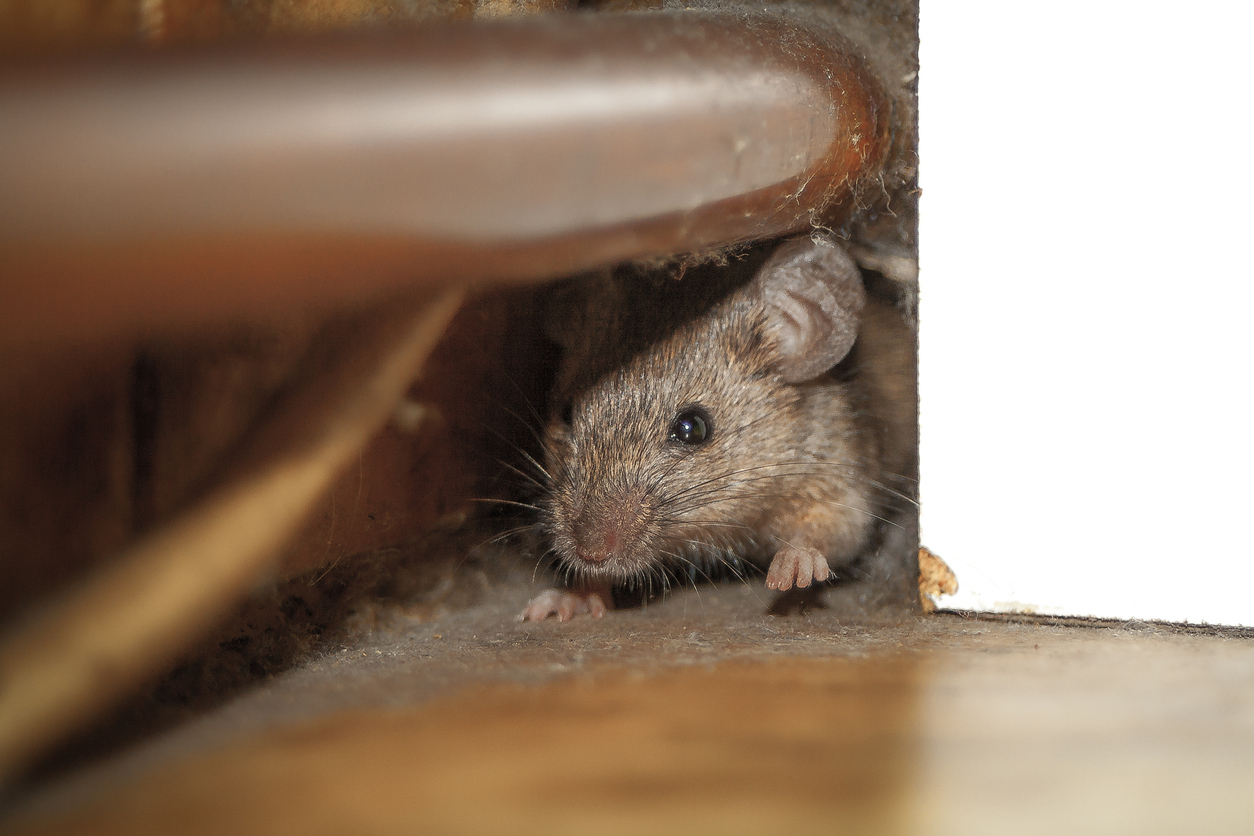
It’s fall and with the arrival of cooler whether, state and county health officials have a message: rodents can carry harmful diseases.
Unfortunately, those diseases, including life-threatening hantavirus, can spread to people through rat or mice bites, consuming food or water contaminuated by rodent droppings or decay, or breathing in germs from rodent urine or droppings that get stirred up into the air. Beyind that, rodents carry ticks, mites, and fleas which also carry transferrable disease.
That’s why this week, Public Health Insider, the official blog of Public Health—Seattle & King County, offered information and tips on keeping your home rodent free. Here’s what they advised, noting that rats and mice are always on the look out for warm, dry places with easy food access:
Close up the cozy spots
The best way to prevent rodents is to identify and seal up any possible entry points where they can get into your home and remove other places they could shelter.
What to look for:
- Gaps around pipes, vents, foundations, crawl spaces, basements, chimney caps, and rooflines
- Spaces under decks, sheds, and porches
- Damaged weather seals on doors and garages
- Damaged garbage, recycling, or compost bins
- Clutter like yard waste or stacked firewood
When you’re scouting out the cozy spots, keep in mind that mice can squeeze through a hole the size of a dime, and rats can fit through a hole the size of a quarter!
What to do:
- Seal up spaces using ¼ inch hardware cloth, caulk or steel wool.
- Consider hiring a professional if you need help inspecting and sealing up your home.
- Clean up the clutter! Remove piles of leaves, yard waste, and overgrown vegetation. Properly store firewood.
Take away the buffet
Rats and mice have a very keen sense of smell. If there is food around, they will find it. Make sure you are not accidentally feeding them by taking steps to secure the below sources of nosh.
- People and pet food: Store food in sealed containers and wipe up any crumbs and spills.Bird feeders.
- Bird feeders: Feeders can attract rats, so consider skipping the feeders for a while if rats are around. If you have a feeder, make sure it’s squirrel proof.
- Chicken coops: Keep chicken coops clean and rodent resident. See Washington State Department of Agriculture’s tips for more detail.
- Gardens, fruit trees, and berry bushes: These provide seasonal food sources for critters. Make sure to harvest fruits and vegetables as soon as they are ready and collect fallen fruit from the ground. Clean up at the end of the season, including composting your spent plants and getting rid of yard waste.
- Compost: Choose a rodent resistant compost bin (like a Green Cone style bin). Make sure you’re managing your compost by turning it regularly and inspecting for signs of rodents.
- Trash: Use garbage, recycle, and compost bins with tight-fitting lids and replace lids when they’re damaged.
See signs of rodents? Act quickly
Don’t panic if you’re seeing signs of rodents but do take steps before the problem gets worse.
Common signs of rodents
- Burrows (2-inch holes in the ground)
- Droppings
- Gnaw marks
Take action
- If you find burrows, collapse them.
- Use traps and other non-toxic methods first. Avoid poison when possible to protect people, pets, and the environment.
- Consider hiring a professional. Ask them about Integrated Pest Management, which is a safe and effective approach.
- If you live in Seattle, you can report rodents to Public Health by calling 206-263-8450 or filing a report online.
For more information, visit our How to get rid of rats and mice webpage (in-language resources available).
This article has been reposted with permission from The Public Health Insider blog.