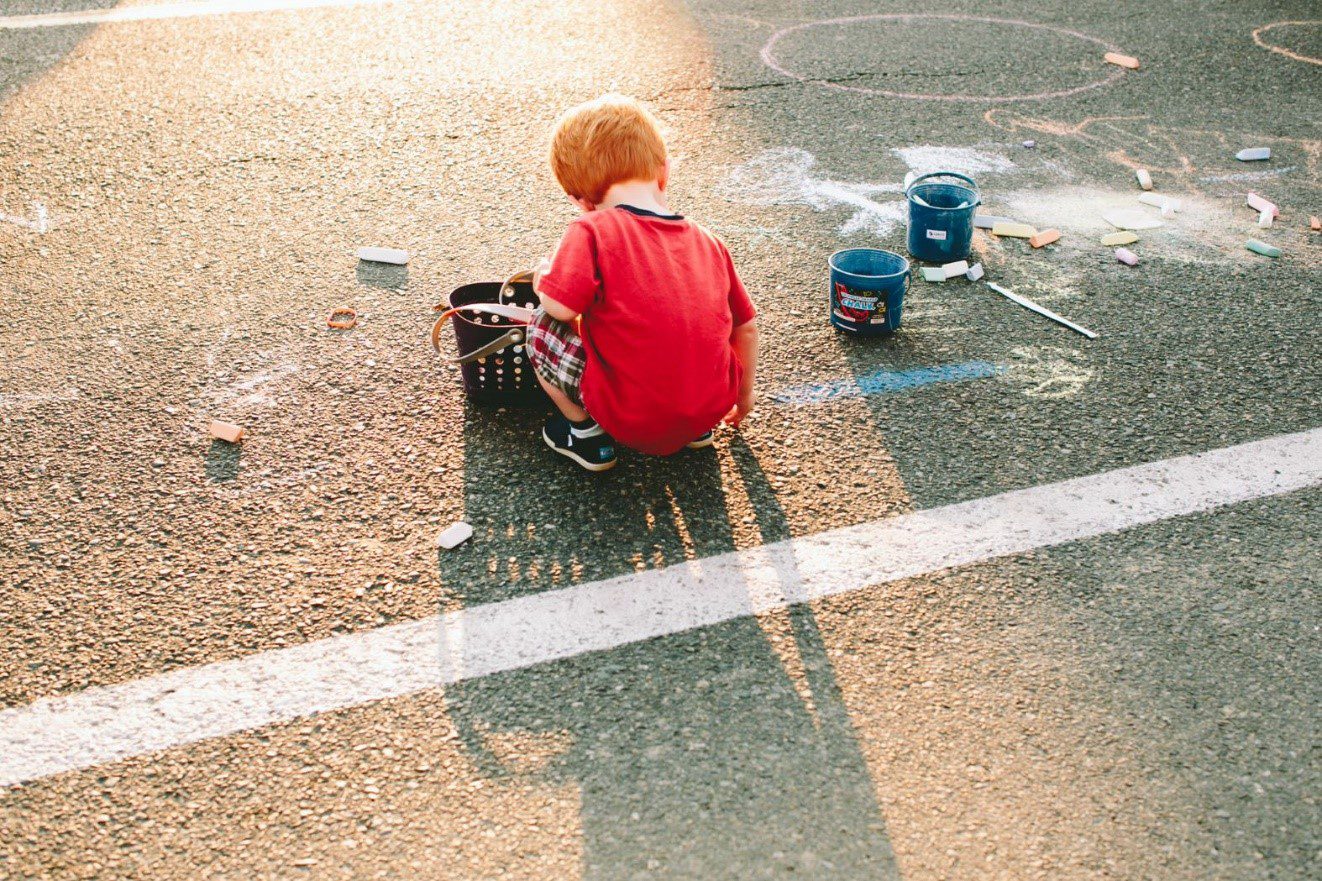
Seattle’s Play Streets program offer’s all the best elements of an old-fashioned block party: Popsicles, hot dogs, (real) facetime with friends and neighbors, and kids playing in the streets
The program was launched by the Seattle Department of Transportation (SDOT) in 2014 as part of a larger citywide initiative aimed at creating safer streets and healthier neighborhoods, to keep neighbors connected even after summer fades. During a Play Street event, roads are blocked off to traffic.
“The goal of play streets is to help build community and help people meet their neighbors,” said Isaac Conlen, SDOT acting manager of Public Space Management. Since it started, SDOT has granted hundreds of permits for Play Streets across the city.
Betsy Hauestein’s Greenwood neighborhood has been hosting a Play Street event since 2019.
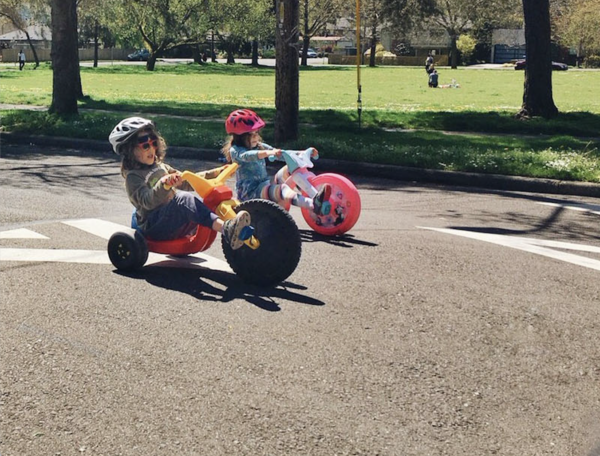
(Image: SDOT)
“I love village-building and the multi-age play,” said Hauestein. “Sometimes the kids are down the street, sometimes they’re around the corner, but they always come back, and building that trust with them is lovely.”
This year, SDOT is focused on improving signage to keep cars away from permitted Play Streets and expanding the program in neighborhoods where it is currently underutilized, including the Central District, Beacon Hill, Greenwood, and Rainier Beach.
SDOT is currently arranging “demo play streets,” staffed and funded by the city, in neighborhoods where fewer permits are requested.
“We’ll go down and do all the setup, bring snacks, bring games,” said Conlen. “We’re trying to open the door.”
Join the effort: Play Streets are open to any neighborhood in Seattle. To ensure a smooth event, request a free permit at least 10 days in advance and follow the program’s ground rules. SDOT provides step-by-step directions, official signage, and downloadable PDFs. Go to seattle.gov/transportation/permits-and-services/permits/play-streets-and-block-parties