Yet another special site in the night sky will happen this week.
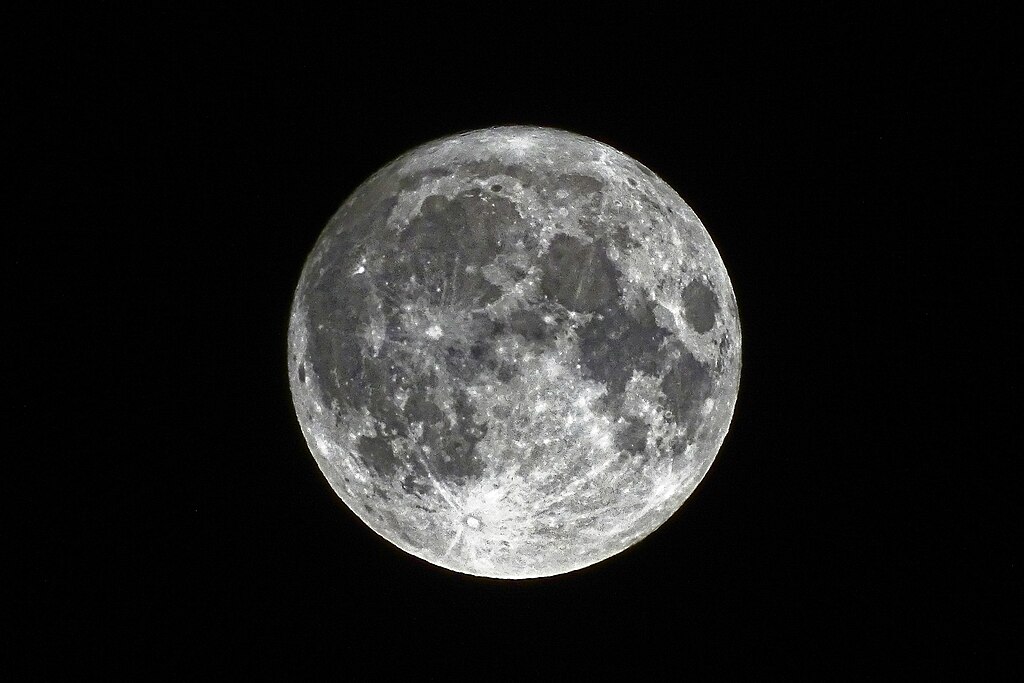
On Thursday, Dec. 4, the last of three supermoons in three months will rise. It will be the final supermoon event of 2025. On that evening, the moon will appear far larger and brighter than it does on most nights. It’s a great evening to bundle up the kids and find your favorite waterside walk.
Excellent locations include those alongside a west-facing water body. For example, the Lincoln Park beach path facing Puget Sound offers unobstructed views of the water. Its large size also provides ample space to escape city lights, making it a good in-city spot for night sky watching. Golden Gardens Beach, Edmonds Beach, and Richmond Beach in Lynnwood are other good spots.
On the Eastside, consider packing up the family and heading to Lake Washington to look west.
What is a supermoon?
A supermoon occurs when a full moon (or sometimes a new moon) happens at the same time the moon is at or near its closest point to Earth in its orbit (about 225,804 miles apart). At that point, the moon may appear nearly 15% bigger and about 30% brighter. There were eight supermoons in 2025.
You’ll be able to see the supermoon at any time in the evening, although it can seem subtle. For the best chance of experiencing the “larger than normal effect,” look to the west around 3:40–3:45 p.m., when the full supermoon is low on the western horizon in Seattle (called moonset). Yes, it’s still light at that point since sunset is about 4:20 p.m. on Dec. 4, so the moon may be dimmer against the sky. Check out NASA’s explanation”
The names of supermoons
According to the nonprofit EarthSky, “supermoons are named according to traditions that mark the preparation for winter.” Here’s where the names come from.
The first of three supermoons is known as the “Hunter’s Moon” or the “Harvest Moon” and this year it happened on Oct. 7. The name reflects the fall harvest season and the time when hunters prepared for winter, EarthSky reports.
On November 5, another supermoon filled the sky. It was the “Beaver Moon”—because November is when beavers build dams and start storing food for the winter.
The supermoon coming Thursday is known as the “Cold Moon,” which makes sense: it’s named for its proximity to long, dark nights and cold temperatures.