My son Justice, then a junior at the local high school, was struggling. I’ve written in the past about Justice’s journey as a person with autism and how challenging the traditional education path can be for kids at level one on the spectrum (level one is designated as “needing support,” levels two and three graduate in the amount of support needed).
“Mom, I can’t do this anymore. I can’t keep going to this school. I’m tired of asking for permission to go to the bathroom, and I’m not like the other kids. I’m older and different.” Justice is a very sincere person 80 percent of the time, so when he said he had reached the end of his journey at traditional high school, we took it seriously.
A week later, I was having a conversation with a neighbor, who shared that their daughter had recently graduated from a local technical college with a high school diploma and an associate’s degree. I thought this was the Running Start program, which I was familiar with. The neighbor explained that this was indeed not Running Start, we would have to unenroll Justice entirely from the school district and get approval to enroll him at the local technical college that ran a “Technical High School” program.
The idea of taking my kid out of the one institution that had been so constant for me as a parent was scary and super intimidating.
No One Right Path
In our small community, the local schools are as much an institution of modern education as they are a way for people to build community. K-12, most of my parent-friends were made through school connections, many of the teachers live in the community and have children who attend the schools.
There’s a lot of pride in saying that your child would be or has graduated from the local high school. Just beginning to research technical high schools meant getting over feelings of failure and remembering what was important: my child’s best interests and future. Like many families, I understood that the one-size-fits-most model of schools meant that, for some kids, traditional wasn’t the best fit, and that was ok.
In American culture, the pathway to making money and being self-sufficient has traditionally been primary school > college or trade school > career, with most variation in choosing a college. What we discovered is that, beyond choosing between private school, homeschooling, or a Montessori program, uncovering the options for educating your child can be somewhat hard.
After touring local technical colleges and learning about their programs, it was shocking to me that more parents hadn’t encouraged their kids to make the pivot. I also learned that, generally, high schools don’t widely advertise technical high schools as alternatives. When students leave traditional schools, schools lose money. This is why some Washington state schools have started “in-school” Running Start programs to keep the opportunities for high school students to earn college credit available and to keep education dollars in-house.
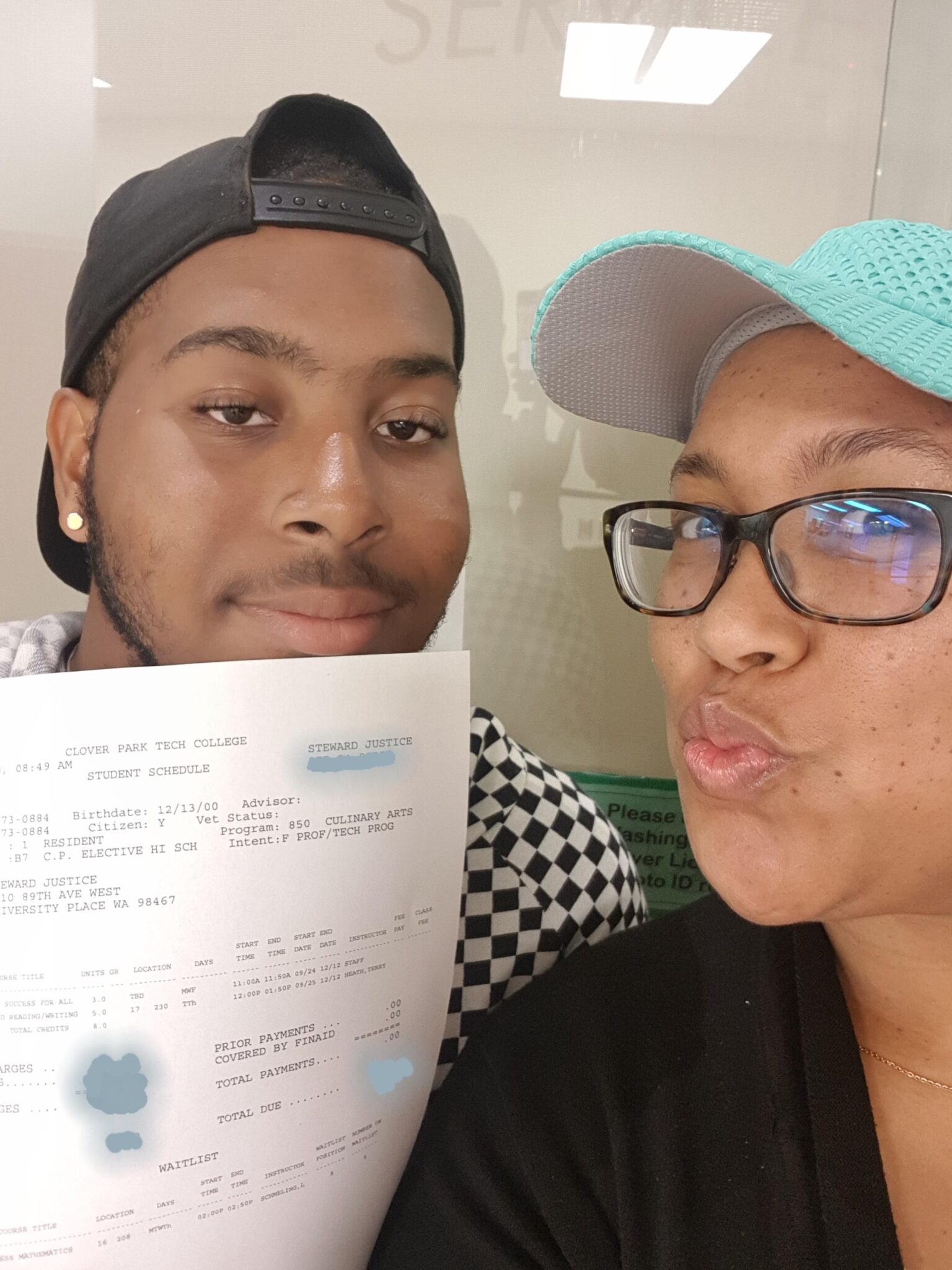
Registering for his first classes! (Image: Dijana Steward / Seattle’s Child)
So, what is a Technical High School?
Technical high school is NOT Running Start or the General Education Development (GED) program. The Career & Technical Education (CTE) program allows students in grades 9-12 to meet all the state general education requirements while also receiving training and certification in a number of trade and STEM careers.
The program is regulated by the Washington Office of Superintendent of Public Instruction (OPSI), which gave us reassurance about the legitimacy of his eventual diploma and college credentials. Justice aspired to become a chef, so he was thrilled to see the Culinary Arts program path. Since Gen Ed classes are held at the actual college, Justice would be in an environment with slightly older students, and the atmosphere would be what one would expect in college: mature, exactly what he craved.
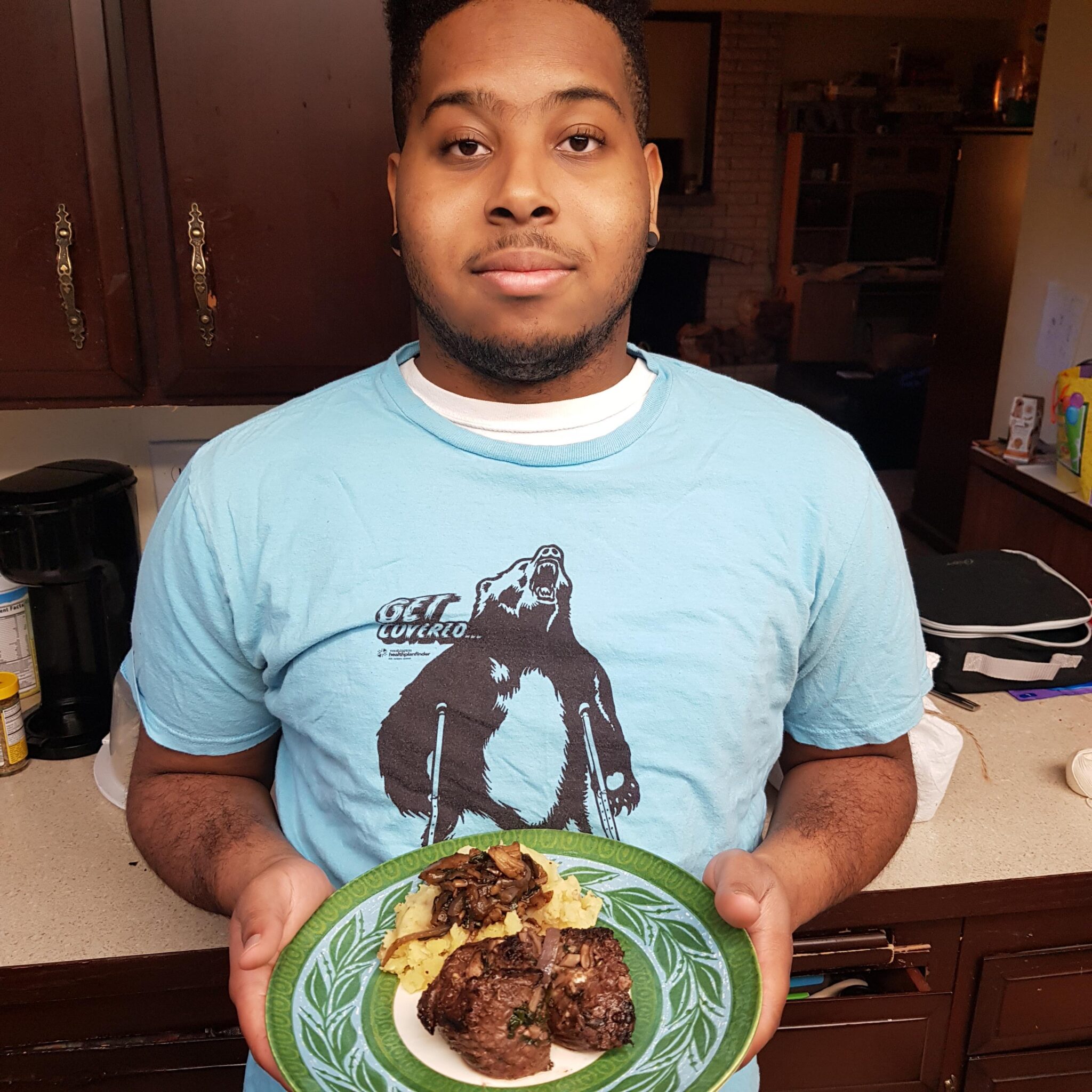
Justice did his cooking assignments at home when the school closed during COVID. (Image: Dijana Steward / Seattle’s Child)
Our Family’s Decision: Choosing a Different Path
Ultimately, after extensive research and soul-searching, we decided to enroll Justice at Clover Park Technical College in Lakewood. He had Gen Ed classes a few days a week and attended immersive Culinary Arts classes on other days. Both happened simultaneously. This schedule kept him busy without burning him out. He even took a driving class and worked evenings at the local grocery store, and then as a dishwasher and food prep at a local restaurant. His plate was full and fulfilling, and we immediately noticed a change in his disposition, affirming we had made the right choice.
Did he miss prom? Yes. Was there a learning curve for our 17-year-old to understand the collegiate environment? Yes? Did I have to partner closely with the staff at the new school to ensure that Justice was afforded the same learning supports available to him at the traditional high school? Yes. But they were happy to support him and lean in with instructors to ensure that any accommodations Justice needed were made available to him.
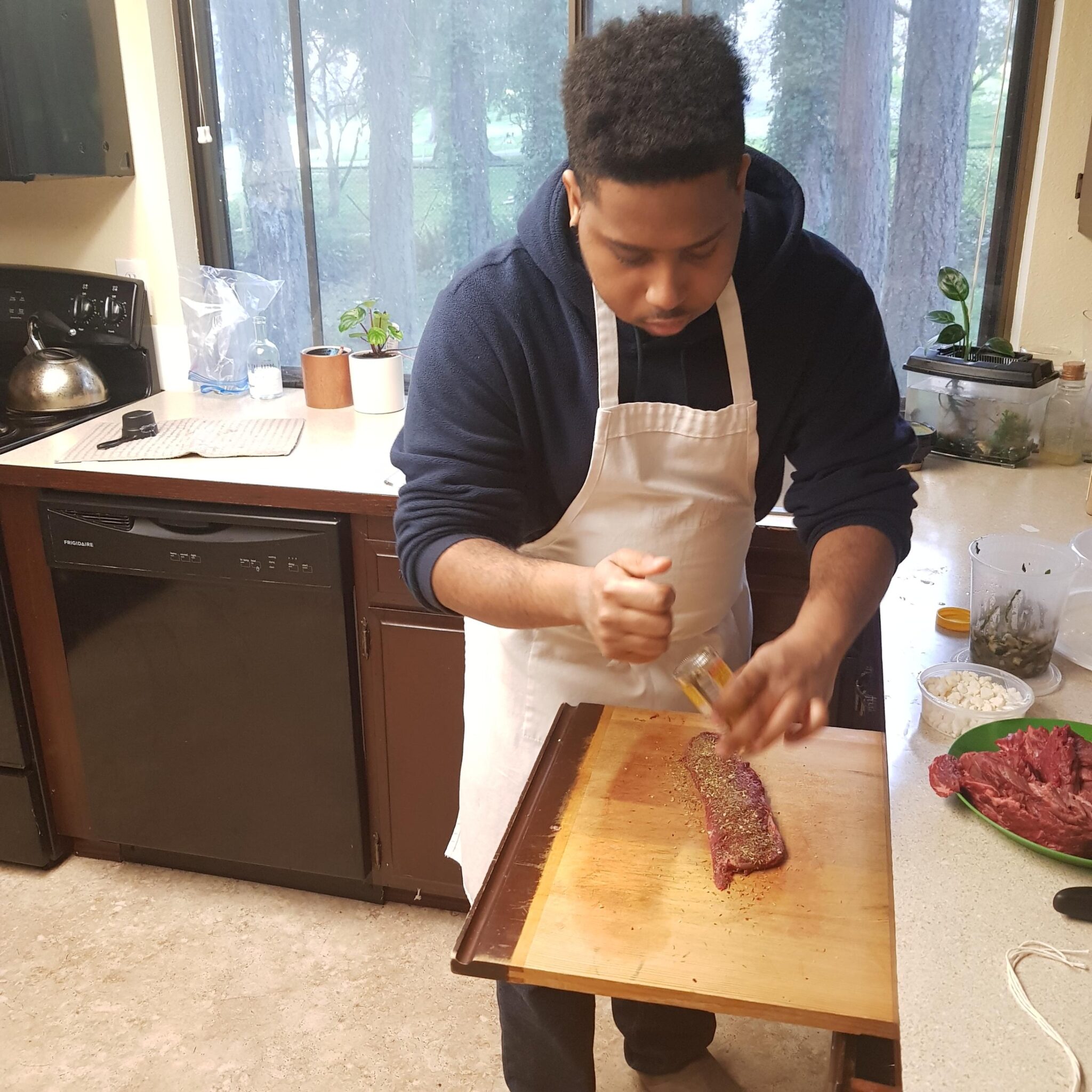
(Image: Dijana Steward / Seattle’s Child)
Completion and Graduation
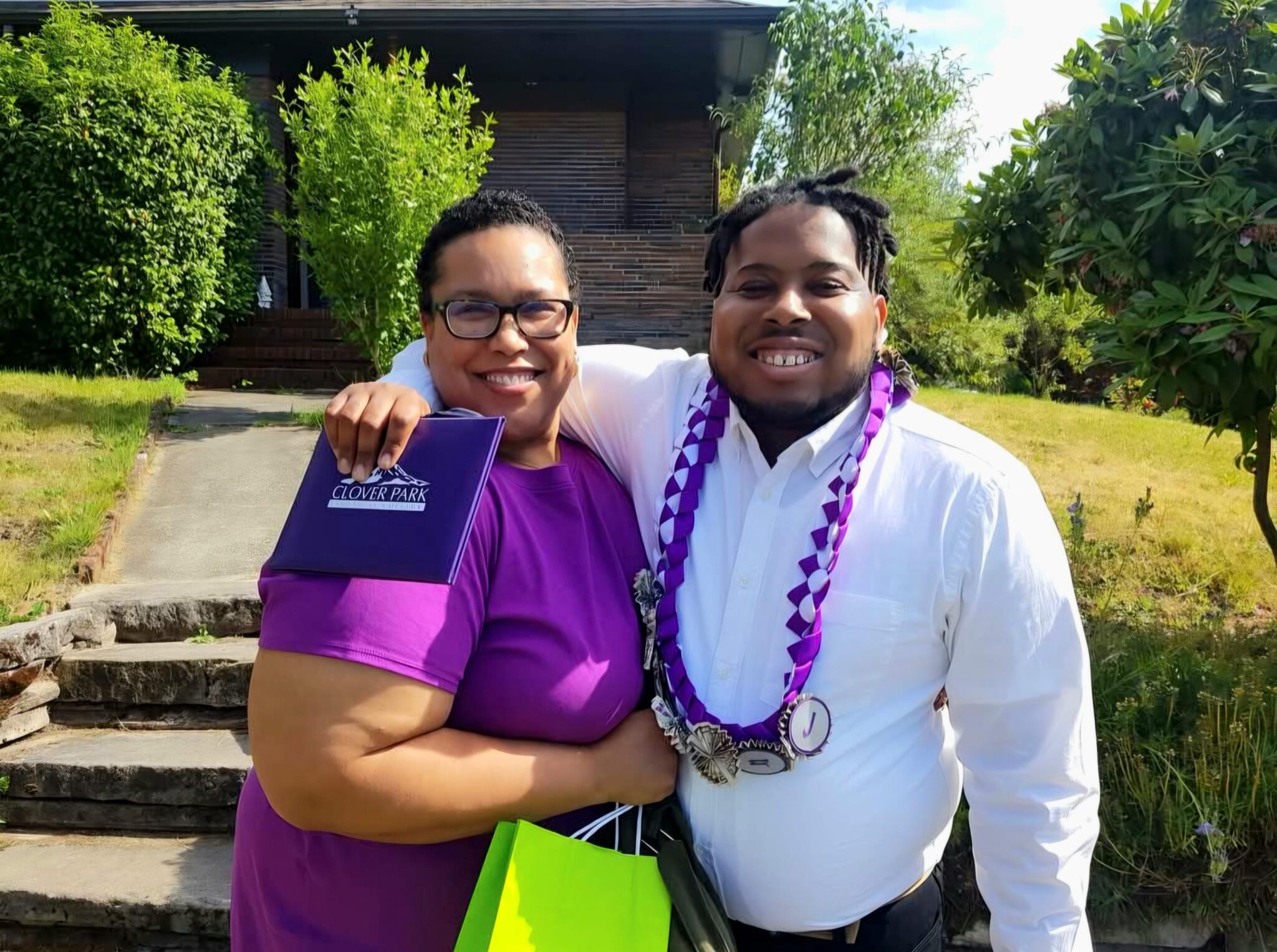
18 months after enrolling, Justice graduated with his high school diploma, a certificate in Restaurant Management, and an associate’s degree in culinary arts. He has worked in a kitchen ever since and is currently a line cook at a local restaurant. He lives on his own and is entirely self-sufficient because he can demand a living wage due to his education. He graduated during the COVID lockdown, so his ceremony was held via drive-thru at the college, but I can honestly say that from the passenger side of an SUV, I’ve never been prouder.
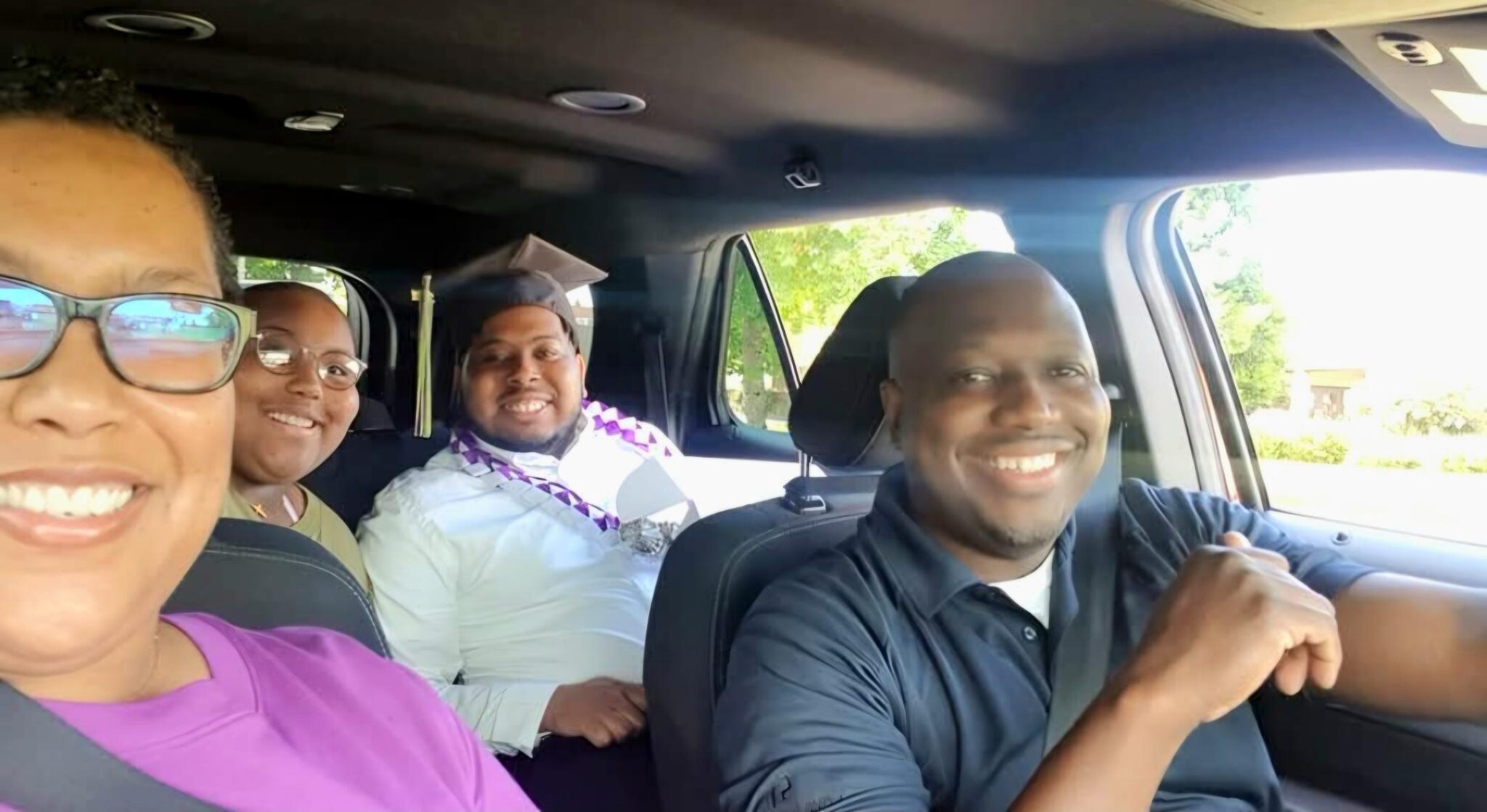
Graduation Day! (Image: Dijana Steward / Seattle’s Child)
The Signs You May be Seeing
If your child is disengaged or dreads going to school, or shows a strong interest in a hands-on career, this is your permission slip to consider a program outside the traditional system. I’ve since had another child graduate from the local traditional high school, and that was absolutely the right choice for her. We have another child just beginning his high school journey, and it’s reassuring to know that we have other options for setting him up for a successful future.