I work for King County to reduce injury and prevent death across King County. And while my own kids aren’t old enough to drive yet, I can already imagine, with a mix of pride and nervousness, what it will feel like the day I hand them the car keys. Everything I know about traffic safety will suddenly become personal.
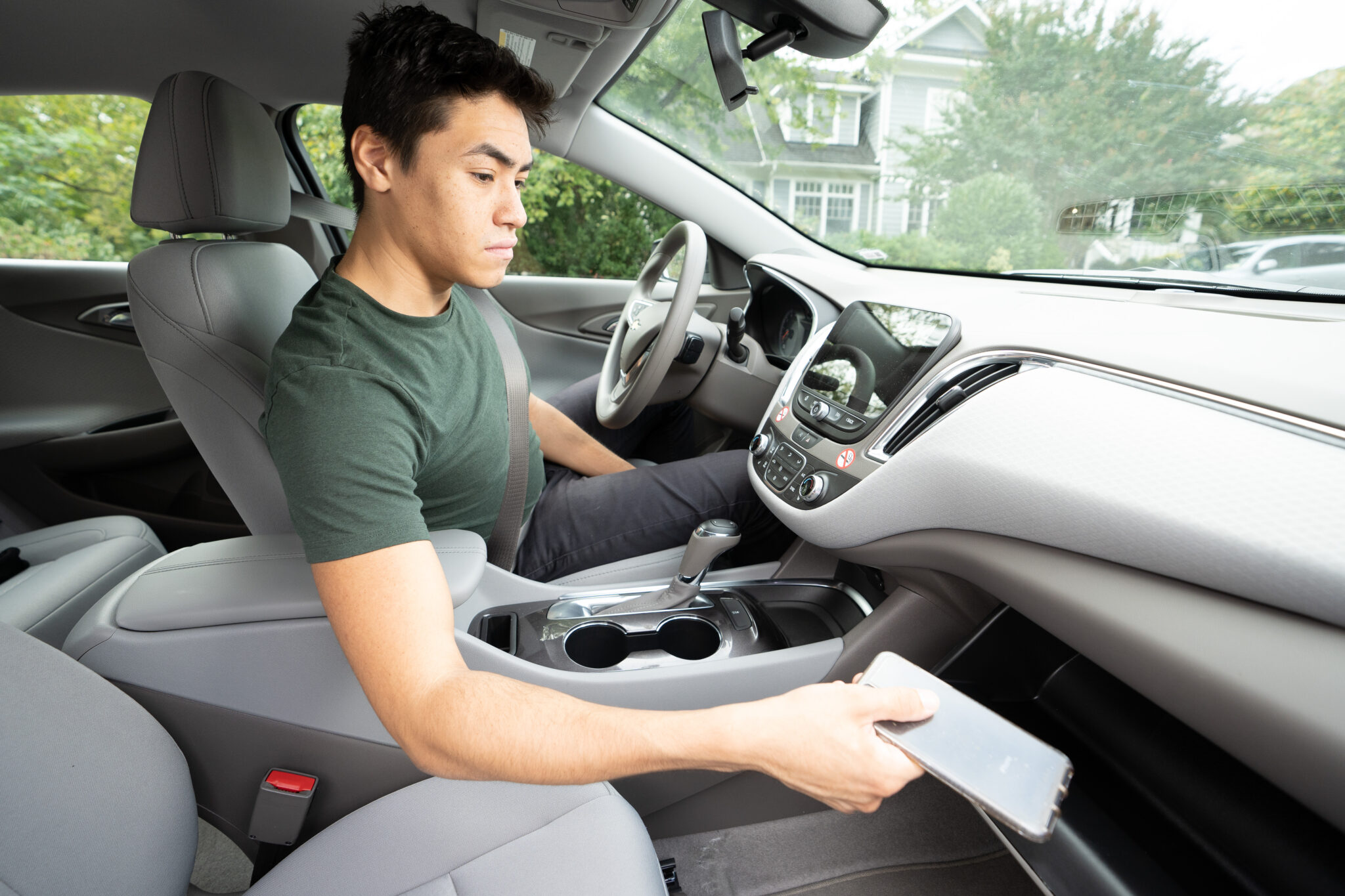
Teen drivers face the highest crash risk of any age group. And while we often talk about driving as a rite of passage, it’s really a test of preparation, one that starts at home. In 2023, young drivers were nearly three times more likely to be involved in fatal collisions than other age groups. The top five risk factors? Speeding, distracted driving, driving under the influence, not wearing seat belts, and nighttime driving.
We saw the tragic reality of those risks in Issaquah on Halloween night in 2022. Two cars were speeding when one failed to stop at a red light. The collision that followed caused one of the vehicles to spin out and strike a light pole, killing a 15-year-old girl and injuring three other teens. It was a devastating crash made even more painful by how preventable it was. Speeding, not wearing a seatbelt, and nighttime driving were the contributing factors.
Our state’s Graduated Driver Licensing laws help by limiting passengers and restricting nighttime driving, but those rules only go so far without engaged caregivers reinforcing them day to day. Here’s what I urge every parent and guardian to consider.
Enroll Teens in Driver’s Education
Formal training makes a measurable difference. Teens who skip driver’s education are 16% more likely to crash in their first year and 24% more likely to be involved in a serious or fatal collision. If cost is a barrier, explore community scholarships like Hagerty’s “License to the Future,” Treehouse’s Driver’s Assistance Program, or ask your local driving school about financial aid.
Create a Parent-Teen Driving Agreement
Putting rules in writing, like no texting while driving, always wearing a seatbelt, limiting passengers, and sticking to daylight hours, helps teens understand what’s expected and gives caregivers leverage for accountability. It’s not just effective, it’s empowering.
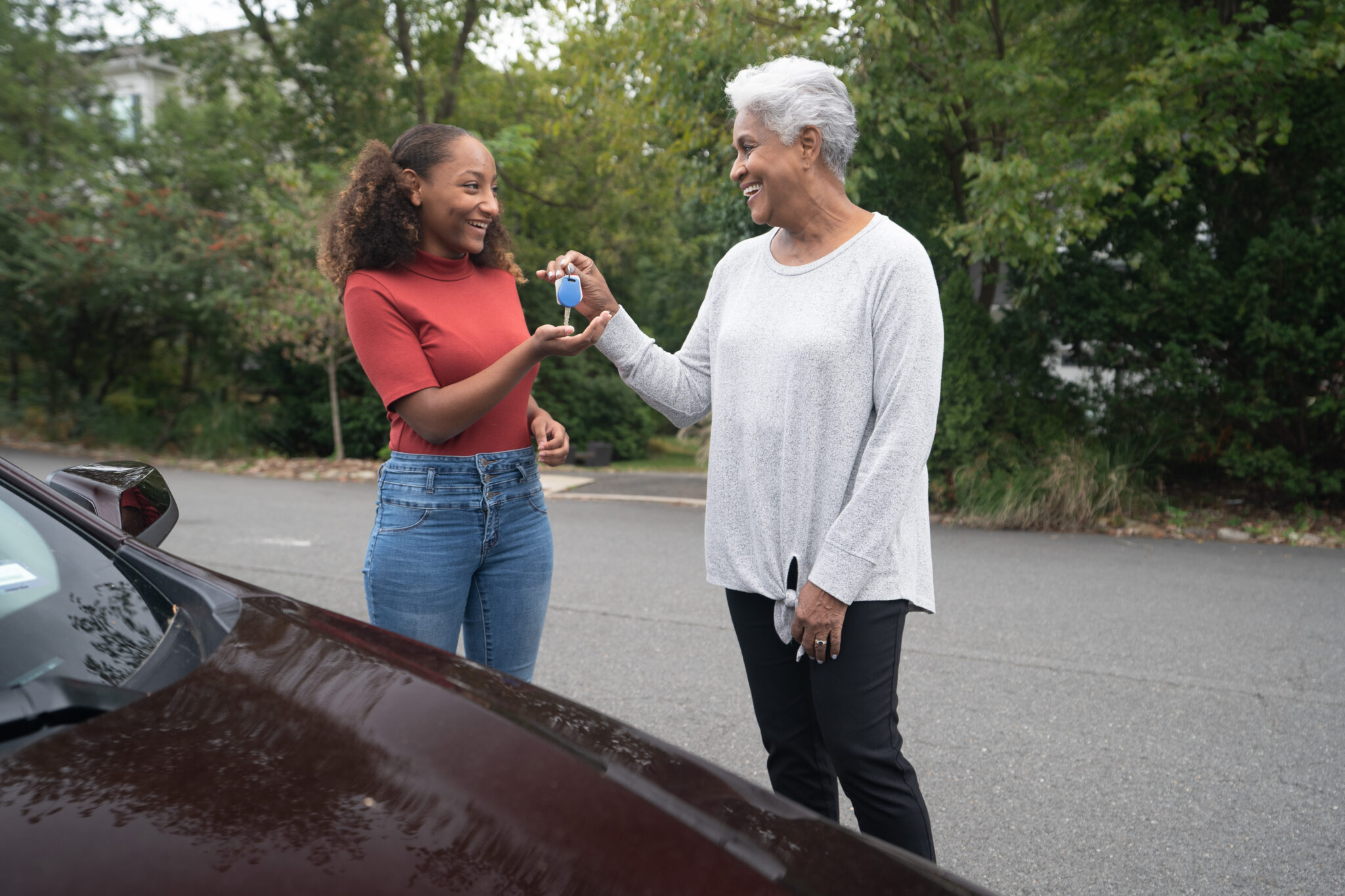
(Image courtesy Public Health – Seattle King County)
Turn Safe Driving Into a Game
Apps like You-in-the-Driver-Seat score your teen’s driving habits (speeding, phone use, sharp braking) and reward them for improvement. With gift cards, badges, and instant feedback, teens pay attention. It’s research-driven, incentive-based, and surprisingly effective.
Let Your Teen Drive the Safer Car
It may feel natural to give your teen the “starter car,” often the older model in the driveway. But newer vehicles have life-saving features like Emergency Automatic Braking, blind spot alerts, and lane departure warnings. Whenever possible, give your teen access to the car that’s most equipped to protect them.
Advocate for Peer-Led Safety at School
King County teens can bring Teens in the Driver Seat to their campuses. It’s an award- winning peer-to-peer program tackling the top five risks for young drivers. With grants and cash rewards for schools, students lead the way in changing behaviors. Parents can help start the conversation at t-driver.com.
As a parent and a public health professional, I know firsthand how overwhelming teen driving can feel. You want to give your child freedom and independence, but you also want to keep them safe. The good news is, you can do both. Start with knowledge. Reinforce good habits. Partner with your teen. You don’t need to be an expert; you just need to be consistent.
Whether your teen is weeks away from a license or just starting to ask about driving, the foundation starts now. These conversations won’t just protect your kids today, they’ll shape how they drive, and how they live, for years to come.
Because behind every statistic is a story. And behind every new driver is a chance to write a safer one.