When temperatures climb, as is expected this week in Puget Sound, so does the risk of serious heat-related illnesses like heat cramps, exhaustion, and heat stroke — especially in kids. Knowing the signs and taking a few key precautions can make a big difference in staying safe during hot weather.
Seattle Children’s Hospital offers expert guidance on how to prevent heat stroke and recognize symptoms early. Below, we’ve outlined their best safety tips, plus quick ways to cool down if your child gets overheated. Once you’ve covered your health bases, check out our list of fun, family-friendly ways to beat the heat around Puget Sound — from splash pads to shady wading pools and indoor escapes.
How to void heat cramps, exhaustion, and stroke
Seattle Children’s Hospital offers this list of expert tips on how to prevent heat exhaustion and heat stroke, helping keep kids safe during hot summer weather:
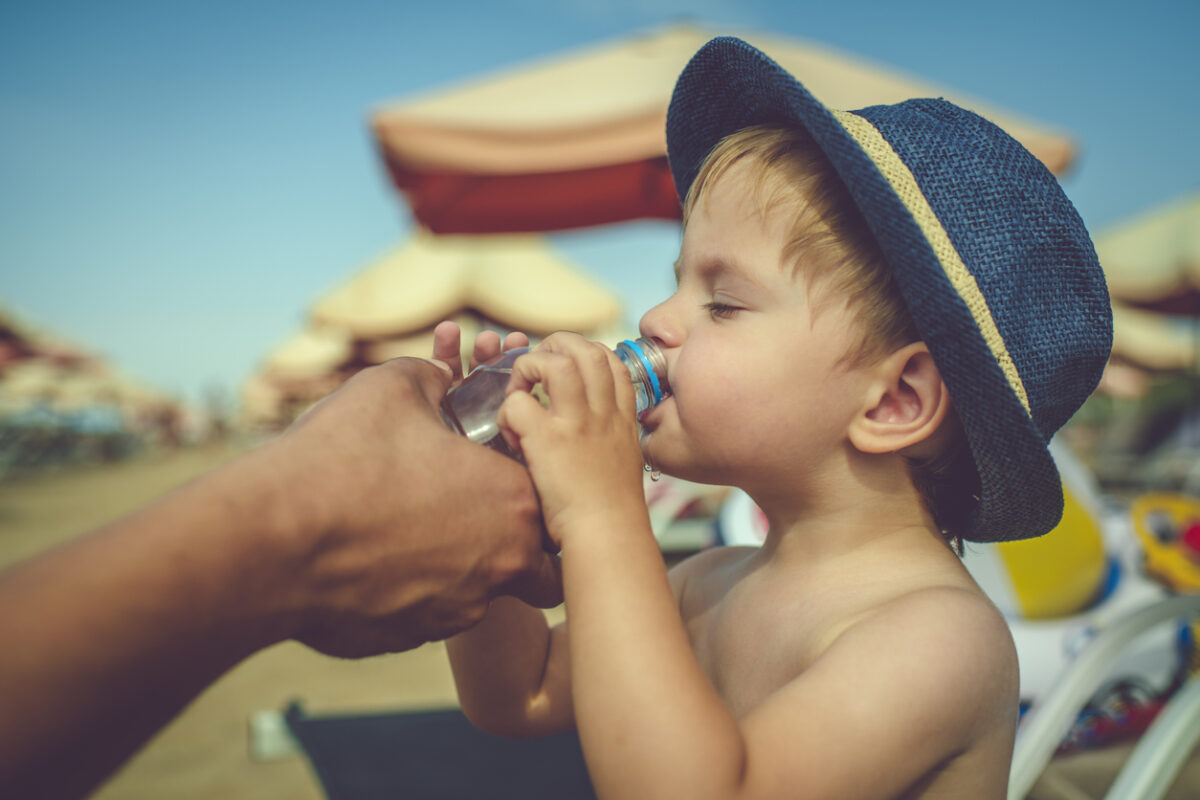
- Drink more water. When working or exercising in hot weather, have your child drink large amounts of cool water. This helps to prevent dehydration. For teens, this means at least 8 ounces (240 mL) every 15 to 30 minutes. Water is the ideal liquid for replacing lost sweat. Very little salt is lost.
- Sports drinks. If kids are working out for longer than an hour, replace 1 water drink per hour with a sports drink.
- Take water breaks. Do this every 15 minutes in the shade. Drink some water even if you’re not thirsty.
- Avoid salt tablets. They slow down stomach emptying and delay the absorption of fluids.
- Dress cool. Wear a single layer of lightweight clothing. Change it if it becomes wet with sweat. Protect babies with fevers from heatstroke by not bundling them in blankets. Also, do not dress them in too many clothes. Children usually need the same number of clothing layers as adults.
- Exercise smart. Physical activity in hot weather should be increased slowly. Sports coaches suggest that exercise sessions be shortened and made easier when it’s hot. This is usually when the temperature is over 82°F (28°C). Also, this is very important if the humidity is high.
- Spend as much time as possible inside with air-conditioning. Electric fans also help.
- Limit hot tub time. When using a hot tub, limit use to 15 minutes. Use a “buddy” system in case a heat reaction suddenly occurs. Do not use a hot tub if your child has a fever. Also, do not use them right after hard work or sports. The body needs to get rid of heat. NOTE: children less than 3 years old should not use hot tubs.
- Never leave a child or a pet in a parked car. The temperature inside a car can increase 20 degrees in just 10 minutes and 40 degrees in an hour. It doesn’t have to feel hot outside to be dangerous inside a car.
Ways to cool down quickly if you get too hot
Sometimes, no matter how well you follow the advice on how to prevent heat exhaustion and heat stroke, a child can still get overheated. The following tips apply whether your child just needs a cool off.
- Give your child a lukewarm bath or sponge them down with lukewarm water.
- Apply cold water or ice to strategic points on the body where the veins are close to the surface — such as the wrists, neck, chest, and temples. It can quickly lower the temperature
- Have your child rest in a cool, dark room with a fan. You can place bowl ice in front of the fan to cool the room further.
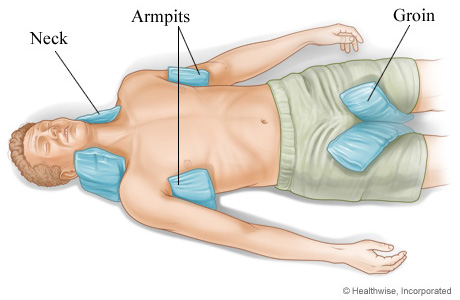
Where to place icebags if when symptoms point to heatstroke.
Signs of serious heat illness include: throbbing headache, confusion, nausea, dizziness, body temperature above 103°F, hot, red, dry or damp skin, rapid and strong pulse, fainting, loss of consciousness. If anyone in your family is experiencing these symptoms call 911 or get them to a hospital immediately. Use icepacks as outlined above while you transport to the hospital or wait for emergency workers to arrive. Heat stroke is a severe medical emergency.
A great resource from Seattle Children’s
Knowing the signs of heat cramps heat exhaustion and heat stroke are key to preventing these hot weather hazards. Seattle Children’s Hospital offers a detail description of heat-related illness in “Heat Exposure and Reactions: Is this your child’s symptom?” The document also instructs parents when and whom to call if they suspect their child is suffering from heat cramps, exhaustion or stroke. This is one to print out and stick on the refrigerator each summer.
What can you do to beat the heat and have fun?
Head to a Seattle-area wading pool: Shallow wading pools are a perfect place to spend a lazy afternoon with little kids. Many of them are near shady trees and park lawns, so pack a picnic. Click here to find a pool near you.
Get wet at local spray parks and splash pads: There’s nothing more quintessentially summer than kids running through sprinklers on a hot day. If you don’t have a backyard with sprinklers (or if you’re minding your water bill), you’ll find a variety of spray parks and splash pads at Seattle-area parks. Click here to find a park or pad near you. Here’s what to expect at some of our favorites.
Check out the area’s best beaches for kids: The water is always cool in the greater Seattle area. From lakes to Puget Sound shores, here are the best beaches to take the family. Be sure to slather on sunscreen and consider long-sleeved SPF50 swim shirts and hats.
Dice into an indoor pool: In the heat of a summer afternoon, it might be wise to avoid the UV rays and get your swimming fix indoors. This updated list has both indoor and outdoor pools.
Spend time public indoor spaces: Walk a shopping mall, take in a movie, take refuge in a library. Many libraries have made their facilities available as cooling centers.
- King County Library System facilities with air conditioning and extended hours during the heat
- Seattle Public Library branches with air conditioning (also note that some SPL facilities are closed during extreme heat.)
Don’t forget frozen treats: Sometimes, the best way to cool off is with a double scoop of cookie dough ice cream. Here’s where to find the best ice cream treats around Seattle.
*Writer Alison Behnke contributed to this article