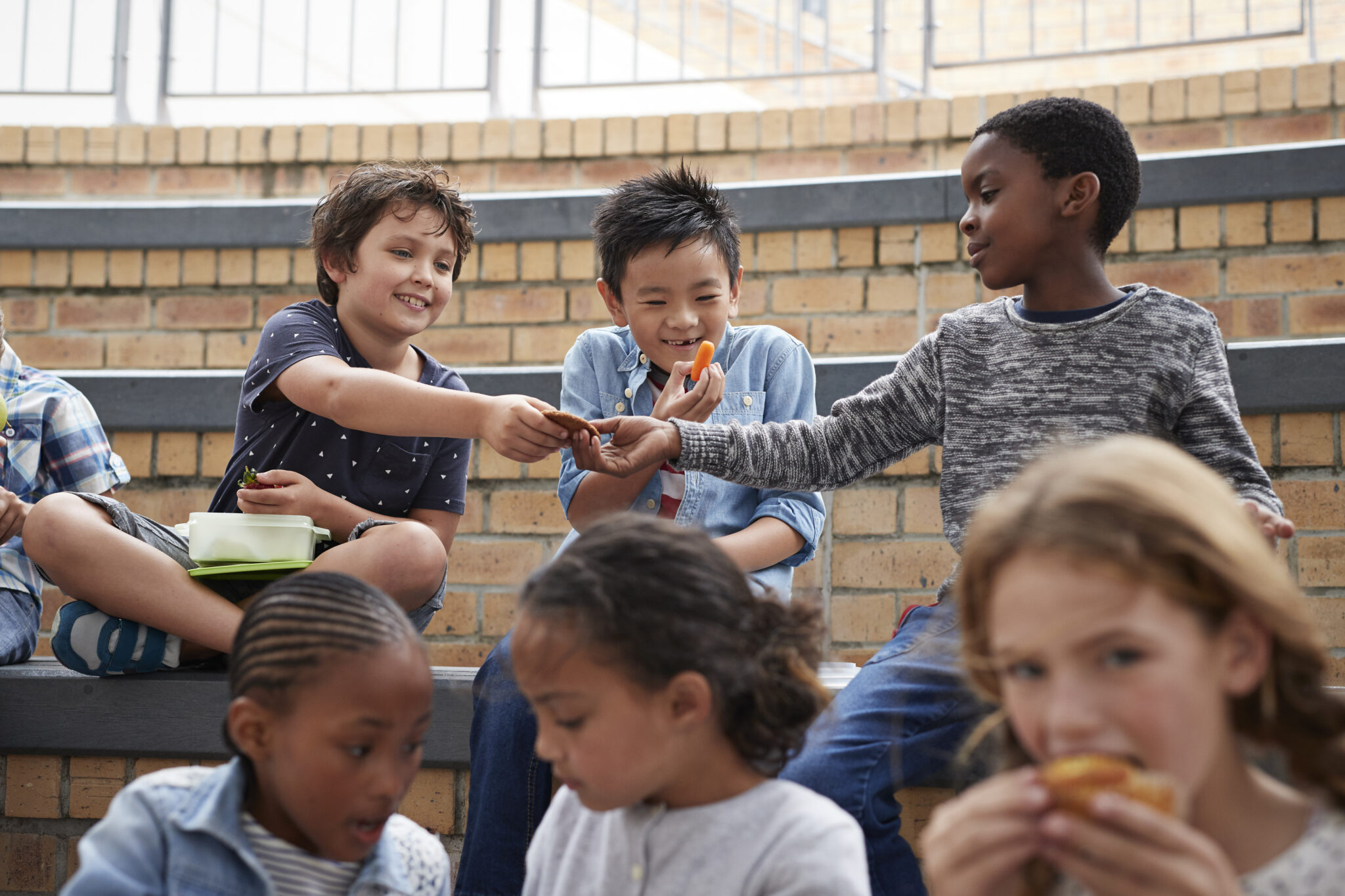
A good friend offers more than someone to hang out with at lunch. Friendships can provide positive peer influence and connection. Healthy, supportive friendships can even increase your lifespan as an adult.
Research indicates that individuals who lacked friends during childhood often struggle psychologically as young adults. Another study found that adults with no or poor-quality friendships were twice as likely to die prematurely, a stronger risk factor for early death than smoking cigarettes every day, says Dr. Ashok Shimoji-Krishnan, a child and adolescent psychiatrist at Kaiser Permanente Capitol Hill Medical Center.
On the positive side, friendships can help protect against mental health issues like depression and physical health issues like heart problems, and may also contribute to stronger romantic relationships in adulthood.
“Friendships are some of the first relationships kids form outside the immediate family,” he says. Friendship offers children trust, resilience, and an opportunity to give and receive emotional support, says the physician.
How parents can support early friendships
Parents can demonstrate how a good friend behaves, whether offering emotional support by phone, bringing over a casserole for a new mom, or even apologizing after a conflict. “Children look to us to understand what it means to make and maintain a friendship,” he says.
Before playdates, parents will want to confirm the activities, the playdate environment, and who will provide supervision. Parents should discuss safe versus unsafe situations with children in advance, to help children prepare for both enjoyable and difficult situations.
A suggested tip for parents of tweens and teens: Give your child a safe word. “If your kid doesn’t like what’s going on, they can call and say the safe word, and then you pick them up, no questions asked. Discuss what happened at a later time, when the child is ready,” Shimoji-Krishnan says.
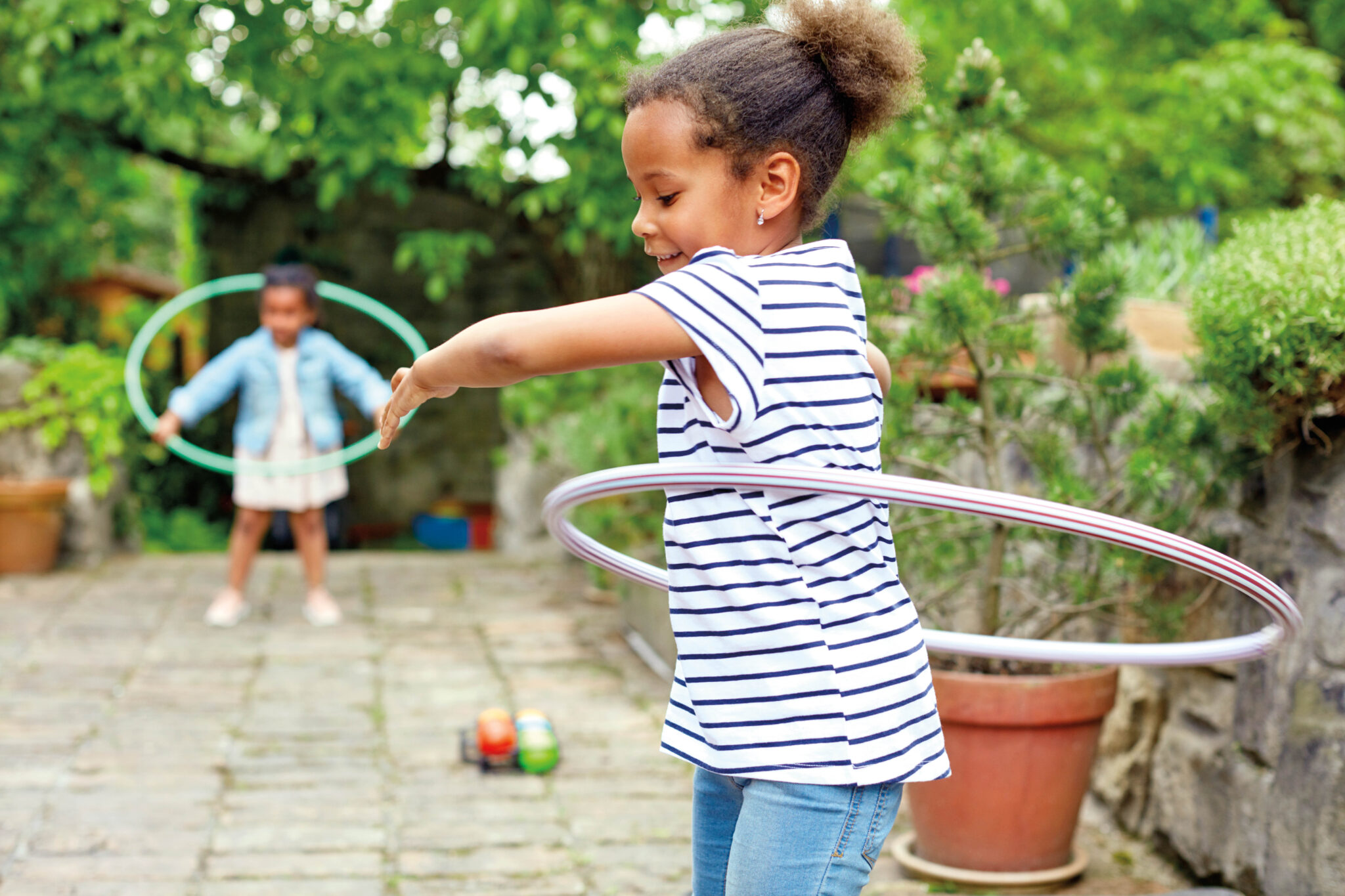
Conversations like these can help you better understand your child’s social needs, their friendships, and how they spend their time with friends, Shimoji-Krishnan suggests. Ask open-ended questions like, “What activities do you like to do with your friends?” or “What do you like about your friends?”
If a conflict occurs at a get-together, ask similar, curious questions about what happened and why, without judgment, such as “What do you think you might do differently next time?” or “What do you wish your friend had done instead?” or “Do you think apologizing could help?”
Recognizing bullying
At some point during children’s conversations, you may hear of behavior that sounds questionable – but is it teasing or verbal bullying? Is it horseplay or physical bullying?
It’s fair to see where the lines can be blurred, as many children test peer boundaries. Even normally kind kids can try out new, less desirable behaviors they’ve seen on TV or among peers.
“In good friendships, we pick on each other. We nudge and needle each other a little bit, but in a loving, caring way,” he says. “That gentle needling pushes us to do better.”
Contrast that with bullying. “Bullying is repetitive behavior done purposefully to scare or harm somebody. A friend laughs with you, not at you,” says Shimoji-Krishnan.
Bullying can come in the form of easily recognizable, overt physical bullying (being pushed or spit on) or it can show up in less recognizable ways. According to a national survey, more boys reported being physically bullied, while more girls reported being subjected to relational bullying, including rumors and being intentionally excluded. Girls are twice as likely as boys to report being bullied.

Your child may not disclose being bullied at first. “Kids who are being bullied often withdraw. They don’t want to go to school, see friends, or go to places they’d normally go,” says Shimoji-Krishnan. Relational bullying in particular can impact student motivation, self-esteem, and self-worth.
Ongoing bullying, particularly if it is physical, might require the involvement of other parents or the school. But it’s important to first allow your child to take the lead.
“Always give your kid the opportunity to handle it first or determine how they want support. Parents should step in if asked for help, if bullying persists, or if safety issues arise. Giving your child the chance to lead helps them build confidence in navigating relationships,” says Shimoji-Krishnan. For example, you might role-play responses to verbal teasing with younger kids.
“Most of us don’t want to raise a bully. Parents should be cautious about jumping in and lashing out,” he says. Recognize your own embarrassment or frustration first. Then try to explore the situation with your child to find out what’s really going on.
Once again, try role-playing and ask your child to describe how they would feel being on the receiving end. “It’s a reminder that bullying doesn’t feel good,” says Shimoji-Krishnan.
Don’t be afraid to loop in your pediatrician or a youth mental health expert if necessary.
“There’s no perfect way to handle this. Be empathetic, show curiosity, and model reaching out for support,” he says. After all, friendship is not just a short-term social interaction; it’s a deeply meaningful part of life with lasting benefits.