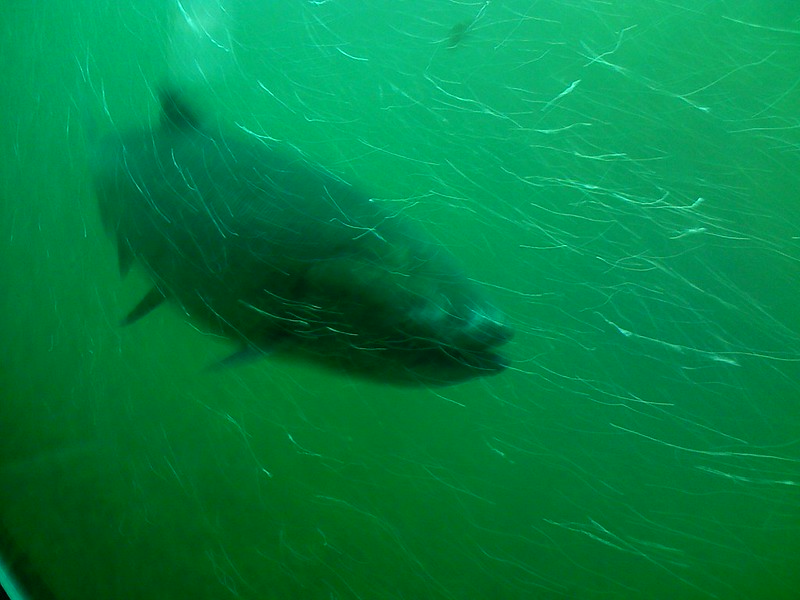
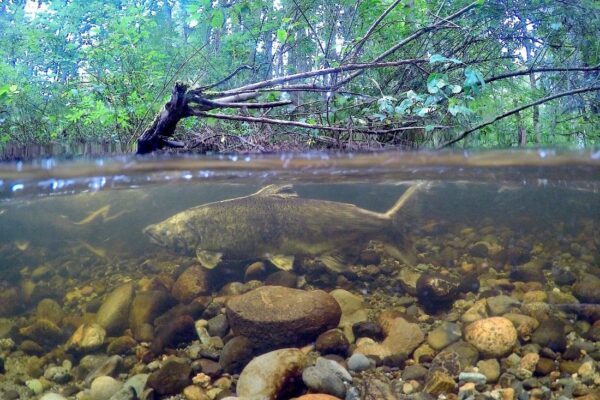
September and October are prime months for salmon-watching in Western Washington. After years in the ocean, adult salmon return during these months through Puget Sound and into local rivers and creeks to spawn. The timing varies by species and watershed, but fall brings Chinook and coho into many area waterways, with chum following later in the season.
Pink salmon also spawn in the fall, but their major Puget Sound runs occur in odd-numbered years. That means that now is your chance to see one of the Northwest’s great natural cycles happening close to home. The spots below give you a bird’s-eye and often even closer view as salmon push against the current, gather in pools, or as females sweep gravel aside with their tails to make nests. Give the fish plenty of room and stay out of the stream bed.
But first, some salmon watching etiquette:
- Remember not to step into the creek because Salmon spawn in the gravel bed.
- Prepare children before going: do not skip or throw rocks in the creek during salmon run season, as it might impact the spawning Salmon.
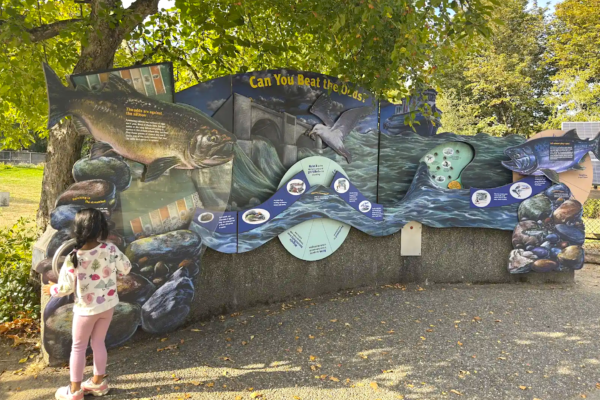
Salmon guide at Issaquah Hatchery (Photo by Vizhi Thirusangu)
Issaquah Salmon Hatchery
We visit the Issaquah Salmon Hatchery every year so our daughter can see and feed fish. This is one of the easiest spots to safely watch the salmon in Issaquah Creek, which runs right through the hatchery. Kids can also feed the fish in the hatchery tank (the gift shop sells fish feed). If you want your kids to really learn about the life cycle of Pacific Northwest salmon and how we can protect it, this is your first stop. A small aquarium with salmon fry (4- 12-week-old baby salmon) is a kid favorite. Pair it with playtime at the Gibson Park playground, located right behind the hatchery across the road. The hatchery also hosts an annual Salmon Days Event during the first weekend of October, in honor of the Pacific Northwest salmon’s homecoming.
Location: 125 W Sunset Way, Issaquah
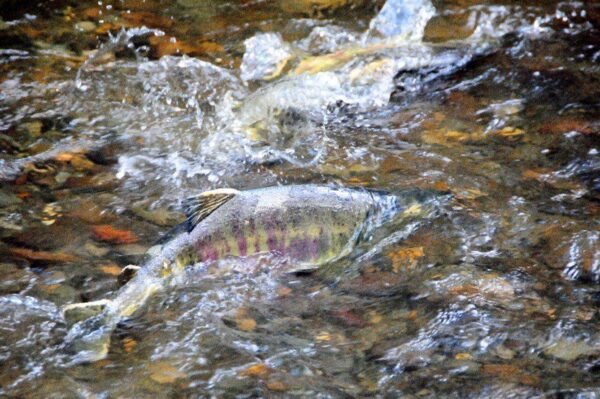
Salmon returning to Piper’s Creek (Photo courtesy City of Seattle)
Piper’s Creek in Carkeek Park
Carkeek Park is one of Seattle’s best spots to watch Chum and coho thrash their way up Piper’s Creek and dozens of little humans lined up by the creek side to have a look at the action. Chum typically make their way into Piper’s Creek from late October through early December, with November usually offering the best chance to see them. The park also hosts salmon programs during the run.
Location: 950 NW Carkeek Park Rd., Seattle
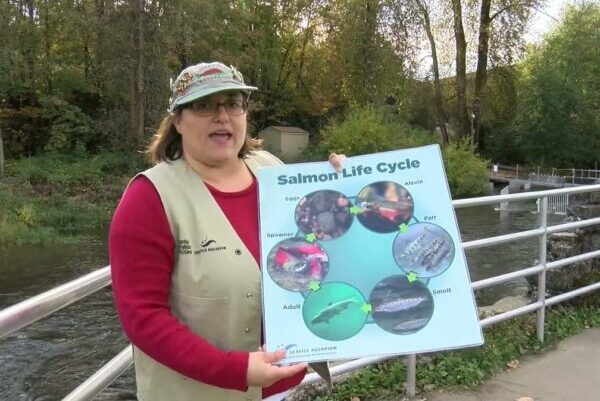
Learning about salmon in Cedar River Park (Photo courtesy City of Renton)
We heard this spot is a terrific one to catch fish in action, but when we visited during the second week of September to get a look at Salmon, but no luck. According to the Seattle Aquarium, the best time to spot Salmon in this river is in October, when sockeye, chinook, and coho salmon return to to spawn.
Location: 1717 Maple Valley Highway, Renton
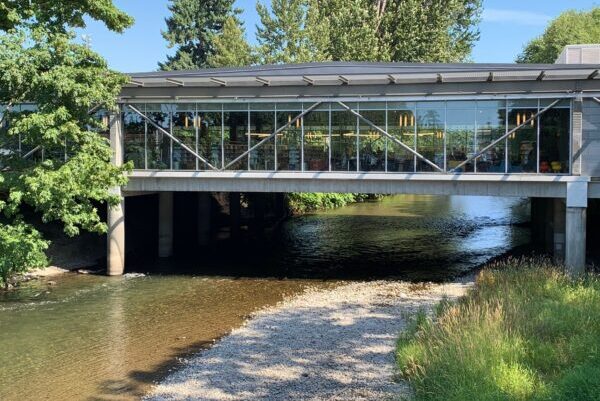
Renton Public Library offers wondering salmon viewing (Photo by Southlakewa / CC BY-SA 4.0)
Renton Library
Renton Library is built over the river and is an amazing spot to watch salmon runs with kids. The fact that it’s in a library only makes the outing more adventurous. Best watching here is from October-November, when numbers peak.
Location: 100 Mill Ave S, Renton
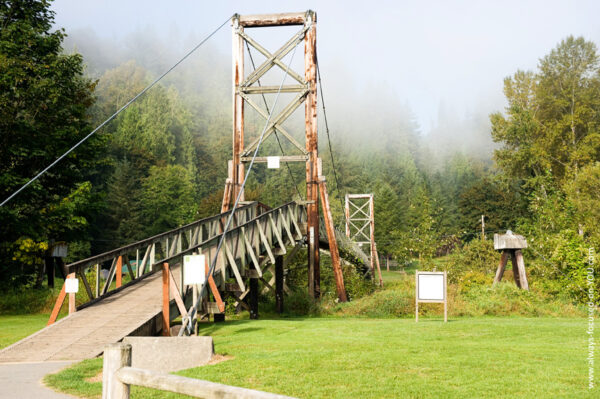
Tolt McDonald Park Bridge (Photo courtesy King County Parks)
Tolt McDonald Park Bridge
The hanging bridge in Tolt McDonald Park spans the Tolt River and offers a nice view of the river, where you watch for the salmon run. Although it’s not a guaranteed spot for viewing fish, they do move through these waters and eventually upstream to the lake to spawn. The park also has a playground, a vast lawn area for free play, and reservable campsites. Add this spot along with a farm visit in the Carnation area during the fall.
Location: 31020 NE 40th St, Carnation
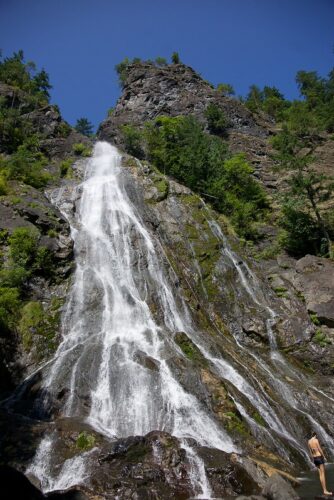
Rocky Brook Falls (Photo by Vironevaeh / CC BY-SA 2.0)
Rocky Brook Falls
We visited Rocky Brook Falls in Brinnon the second week of October in 2025. It is a short 0.3-mile round-trip hike to the falls from the roadside parking lot. The trail is on private property, and signs suggest staying on the trail since it’s a hydroelectric facility. So we had to be mindful and keep our child from wandering off. My child was super excited to see the salmon in Rocky Brook Creek, which eventually flows into the Dosewallips River. There were so many fish in the creek and before getting into the car, we stopped at the river crossing bridge for a better view of the fish.
Location: 3000 Dosewallips Road, Brinnon
Other spots for viewing Salmon:
The region is awash in riverbeds where salmon return to spawn and then, eventually, to die. Each of the locations below is worth a stop if you are passing by or in the parks during October and November.
Seattle
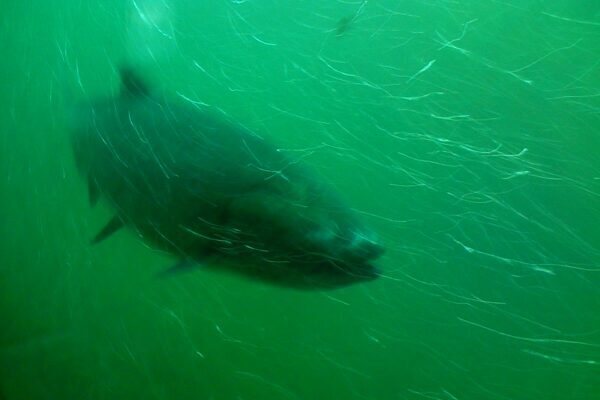
Salmon moving up the Ballard Locks (Phot by GlennFleishman / CC BY 2.0)
- Hiram M. Chittenden Locks, Seattle (Ballard). Sockeye, Chinook and coho pass through the Ballard Locks during summer and fall, with Chinook counts typically running from late July through September and coho counts from early September into October. The fish ladder and underwater viewing windows make this one of the easiest places for kids to watch migrating salmon up close.
- Duwamish River, Seattle/Tukwila. Chinook, chum and coho use the Green-Duwamish watershed, and fall is a good time to look for returning fish. Try Duwamish Gardens Park in Tukwila, a Washington Department of Fish and Wildlife-recommended salmon-viewing location where kids can also see how restored shoreline habitat helps migrating fish. Visit three sites – Codiga Park, Duwamish Gardens Park and North Wind’s Weir – on the Duwamish River to glimpse pinks, chinook, coho and chum migrating to upstream spawning beds. For more information, check out the county’s SalmonSEEson page. Check out www.DuwamishAlive.org for information about the river, restoration efforts, and special events.
- Longfellow Creek, West Seattle. Coho return to Longfellow Creek in late fall, and Dragonfly Garden is a good place to begin exploring the creek. For kids, it’s an opportunity to discover that spawning salmon can be found in a stream running right through a Seattle neighborhood — and to learn how pollution and stormwater runoff affect urban salmon.
Eastside
Bear Creek Chinook (Photo by Craig Barbaccia, courtesy City of Redmond)
- Sammamish River, Redmond. The Sammamish River is one of Redmond’s best places to look for salmon in fall. Try the Redmond Central Connector trestle or bridges along the river and encourage kids to scan the water slowly — spotting a fin or flash of color takes patience and makes the payoff all the more exciting.
- Bear Creek, Redmond. Bear Creek and its tributaries are among Redmond’s best places to look for salmon. Chinook, coho and other native fish use the watershed, and seeing a large salmon moving through a relatively small urban creek gives kids a memorable look at why healthy neighborhood streams matter.
- Kelsey Creek, Bellevue. Bellevue recommends several public places for spotting salmon in Kelsey Creek, including Kelsey Creek Farm and the southeast side of 140th Avenue Northeast at Bel-Red Road. Pair a salmon search with a visit to Kelsey Creek Farm for an easy fall nature outing with younger kids.
- Mercer Slough fish ladder, Bellevue. Another Bellevue salmon-viewing option is the fish ladder near 118th Avenue Southeast, just south of Southeast Eighth Street; look for the blue Mercer Slough signs. Even if the fish aren’t cooperating, kids can see a fish ladder and learn how these structures help salmon get around barriers in waterways.
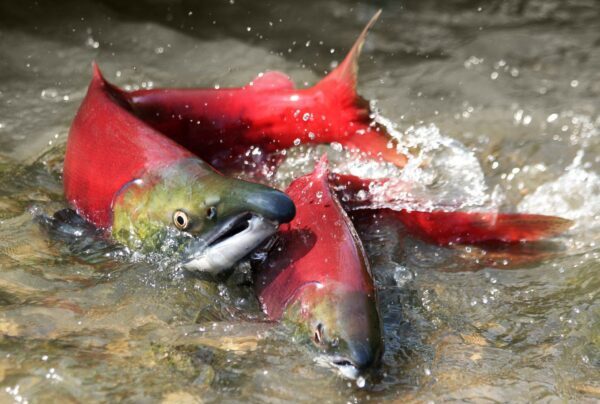
- Lake Sammamish kokanee, Sammamish area. In late fall and early winter, keep an eye out for Lake Sammamish kokanee returning to a handful of tributary streams to spawn. These small, landlocked relatives of sockeye turn brilliant red during spawning season, but their numbers are extremely low, so consider a sighting a lucky one and take special care not to disturb the fish or streambed. They are the same species as sockeye but spend their whole lives in freshwater streams and lakes. From early November through late January, these native fish run at creeks feeding into Lake Sammamish. The runs have been quite small, and scientists are worried the Sammamish kokanee is near extinction. Here’s more information, including a map showing where to look for them.
North Sound
(Photo courtesy City of Bothell)
- North Creek, Bothell. Fall is prime salmon-viewing time in North Creek. Follow the paved trail from the creek’s meeting point with the Sammamish River, south of the UW Bothell/Cascadia College campus, north through North Creek Business Park and check beneath the bridges, where fish sometimes gather. Kids can look for different species as the season changes, from Chinook in late summer and September to sockeye, kokanee and coho later in fall.
South Sound
Salmon education at Soos Creek (Photo courtesy Explore Auburn)
- Green River, Auburn and Green River Valley. The Green River supports Chinook, chum and coho, with several public parks and river-access points offering opportunities to look for migrating salmon in fall. Watching from a bridge or riverbank gives kids a bird’s-eye view of how salmon navigate a much larger river on their journey upstream.
- Soos Creek Salmon Hatchery, Auburn area. The Washington Department of Fish and Wildlife lists Soos Creek Salmon Hatchery, at 13030 Auburn-Black Diamond Road, as a King County salmon-viewing location. A working hatchery offers kids a different look at the salmon story, with the chance to see returning fish while learning about the role hatcheries play in managing salmon populations.
Further afield
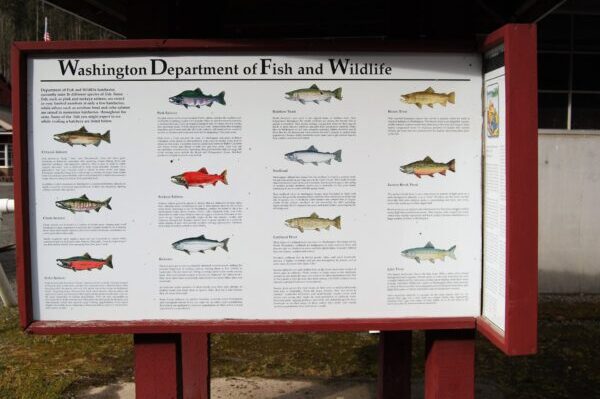
For even more places to look for salmon, explore the Washington Department of Fish and Wildlife’s statewide salmon-viewing guide and map.
- Duckabush River near Muhruth Falls
- Quilcene National Fish Hatchery, Open 7:30 a.m. to 3 p.m