Being a parent is nonstop hard work, which makes it hard to stay on top of news that impacts families in Washington state. This Hits Home is your weekly hit of news, commentary, and, occasionally, opinion. Want to have a say? Look for the “Take action” prompts. Here’s the update for the week of Oct. 19-25.
Childcare shortages cost Washington families and businesses billions
When families cannot find or afford childcare, the consequences extend far beyond the household budget. Parents may cut their work hours, turn down jobs or leave the workforce altogether, while employers struggle to fill shifts and retain workers. A Seattle Times report published this week examines the billions in economic losses linked to Washington’s childcare shortage — and why expanding access matters to both children and the state’s economy. Read the story in The Seattle Times
Ferguson warns childcare bills could climb if ‘millionaires tax’ is repealed
Washington’s debate over taxing high earners has a family-budget dimension: Gov. Bob Ferguson says repealing the ‘millionaires tax’ would push daycare costs higher. His warning links a controversial tax policy to the cost of care for working parents. KUOW examines the claim and the political stakes as voters weigh what the state should fund and who should pay for it. Read more: KUOW
TAKE ACTION: Election Day is Nov. 3. Get your ballots to a drop box or mail them on or before that date.
Washington joins lawsuit to block playground equipment manufacturer merger
A new playground can cost anywhere from $50,000 to more than $1 million, depending on the size and equipment. But building a new playground or replacing aging equipment at a school or neighborhood park could cost even more if two major playground manufacturers merge, according to a lawsuit filed this week by Washington Attorney General Nick Brown, 11 other state attorneys general, and the Federal Trade Commission.
The lawsuit seeks to prevent PlayPower, which owns popular playground brands including Little Tikes Commercial, Miracle Recreation and Playworld, from purchasing competitor BCI Burke. The two companies are among five manufacturers that together account for roughly 85% to 90% of commercial playground equipment sales nationwide. According to the 48-page federal complaint, Burke has won customers from PlayPower by offering competitive prices, innovative equipment, and better service.
“This merger would harm our communities by increasing the cost and lowering the quality of the playground equipment Washington kids use every day,” Brown said in an Oct. 19 statement. “We will continue to oppose anticompetitive mergers that raise prices on Washingtonians and violate the law.” The lawsuit, filed Oct. 19 in federal court in California, asks a judge to stop the acquisition. The government’s claims have not yet been decided in court. Read the federal complaint
History Lesson: Step inside a Seattle family’s home from the 1930s
A preserved home in Seattle’s Chinatown–International District will soon offer families a rare chance to see everyday life through another generation’s eyes. The Eng Family Home, at 611 Eighth Ave. S., was where Seattle’s Eng family once operated a basement bean sprout business and raised multiple generations over 80 years. The family sold the preserved homestead to the Wing Luke Museum to turn it into a public historic site. The ADA-accessible home opens for guided public tours beginning Oct. 29. It’s a history lesson built from the details of family life. Read more: The Seattle Times
TAKE ACTION: Make a visit to the Eng Family Home. Tours are $30 for adults and $25 for seniors who are not museum members; members receive a 15% discount. Advance arrangements required: Call 206-623-5124, ext. 125, or email [email protected].
After Bend shooting, a closer look at Washington school safety
The deadly school shooting in Bend, Oregon, has renewed difficult questions for families across the Northwest: How are schools preparing for violence, and what safeguards can actually make children safer? Don’t miss this KUOW conversation, which shifts to Washington’s approach to school safety and the decisions facing educators, policymakers, and parents. Read more: KUOW
History Lesson 2: Volunteers keep Seattle’s telephone history ringing
While we’re collecting news about history. . . At a Georgetown museum, volunteers are helping preserve a technology many children have barely encountered: the landline telephone. Their work offers a hands-on connection to the days of switchboards, rotary dials, and calls made without screens. The South Seattle Emerald profiles the volunteers who are helping keep this piece of local history alive. Read more: South Seattle Emerald
Federal Way school-zone speed cameras will soon operate 24/7
Starting Nov. 1, eight existing Federal Way school-zone cameras will operate around the clock, including evenings, weekends, and holidays. They’ll continue enforcing the 20 mph speed limit during designated school-zone hours, but will also catch drivers exceeding the regular 35 mph limit at other times. Those caught speeding outside school-zone hours in November will receive warnings rather than tickets. Beginning Dec. 1, violations could bring fines of up to $290. Tickets will continue to be issued during designated school-zone hours throughout November. The cameras monitor traffic in both directions at four locations:
- SW Campus Drive at TAF@Saghalie
- 21st Avenue SW at TAF@Saghalie
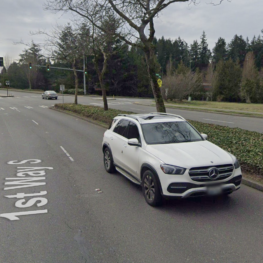
- First Avenue South at Panther Lake Elementary School
- SW 320th Street at Twin Lakes Elementary School
- The city says the expanded enforcement is intended to slow drivers near schools and make the streets safer for children and other pedestrians.
Check Federal Way’s school speed-zone schedule for the hours when the 20 mph limit applies.
Everett schools settle dispute over off-campus Bible lessons
Everett Public Schools has agreed to pay $275,000 in attorney fees to settle a federal lawsuit brought by LifeWise Academy, a Christian organization that offers voluntary Bible classes to public school students.
The dispute centered on district requirements that parents submit new permission slips each week for students to leave school during the day to attend off-campus Bible instruction and that students returning from religious instruction keep Bibles and other materials in sealed envelopes. LifeWise argued the restrictions unfairly targeted its program. Under the settlement, the district will revise its student-release guidelines, provide religious liberty training for school board members, and publish an apology for comments made during board meetings. The agreement resolves the lawsuit without establishing a new nationwide legal rule. Read more: Snohomish County Tribune
The AI boom is making school laptops more expensive
The scramble for computer memory is reaching classrooms. As AI companies drive demand for chips, school districts face higher prices and tighter supplies of the laptops students use for assignments and testing. The Atlantic reports that Chromebook prices have climbed sharply, leaving districts to consider keeping older devices longer or cutting back on other technology purchases. The ripple effects could reach families when school budgets are already stretched. Read more: The Atlantic
Girls’ sports initiative draws organized opposition ahead of election
With Election Day less than two weeks away, opponents of two Washington education-related ballot measures are taking their message directly to voters. On Oct. 17, parents, educators and community members gathered in Seattle’s Ravenna Park before canvassing against Initiative 638, which would restrict participation by transgender girls in girls’ school sports, and Initiative 001, which addresses parental rights in public schools.
Initiative 638 would also establish sex-verification requirements for female athletes, with verification permitted through specified physical or biological criteria. Supporters argue that eligibility restrictions are needed to preserve fairness in girls’ competition. Opponents say the requirements could create intrusive barriers for students and exclude transgender girls from school athletics. Both measures will appear on Washington’s Nov. 3 ballot. Read more: KOMO News
TAKE ACTION: Election Day is Nov. 3. Get your ballot to a drop box or mail it on or before that date.
More kids on e-bikes, more kids in emergency rooms
Electric bikes are an increasingly common sight on neighborhood streets, but a new analysis raises questions about their safety, especially for young riders. Health data company Truveta found that emergency room visits involving e-bikes in the United States increased 760% overall between January 2023 and August 2026. Among children, the increase was an eye-popping 1,810%.
The numbers require some perspective. Conventional bicycles still accounted for far more emergency visits, and researchers didn’t know how many people were riding e-bikes or how often. That means the findings cannot establish whether e-bike riding has become more dangerous on a per-trip basis. Still, the injuries are concerning. Among children treated for e-bike injuries, 7.8% had a traumatic brain injury, compared with 6% of children treated for conventional bicycle injuries. Researchers suggested that speed, helmet use and carrying additional passengers may help explain differences in injury patterns. Read more: New York Post
Don’t miss the article: ”E‑ride Safety: What parents need to know”
A little friendly competition gives Seattle pediatric care a boost
Could a March Madness-style contest help more children receive preventive healthcare? Seattle Children’s Care Network set out to find out, inviting participating pediatric practices to compete in a six-week effort to improve three measures: scheduling future well-child visits, HPV vaccination, and developmental and autism screening.
The network reported a combined 10.6% improvement across those measures compared with participating practices’ starting performance. The effort used shared data and targeted changes in office procedures to help practices identify opportunities to improve care. The results don’t establish whether the improvements will last, but they offer an intriguing example of how relatively short, coordinated efforts might help pediatric offices close gaps in routine care. Read more: Healthcare IT News