Editor’s note: In the recovery program tradition of anonymity, some names have been changed.
It’s the most wonderful time of the year. Or is it?
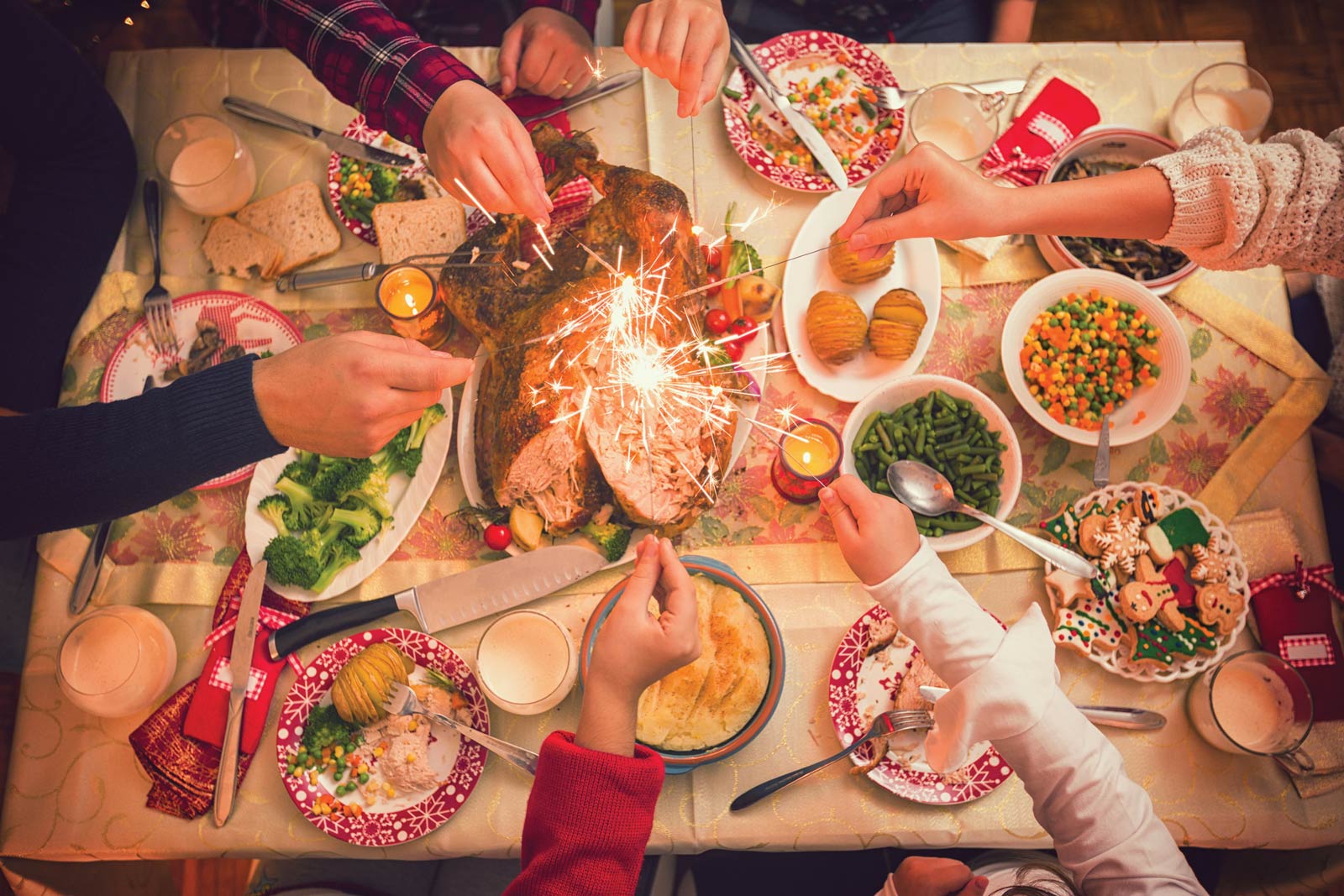
Let’s face it, the holidays are stressful for everyone. Couples struggle to find the perfect gift for their partner. Parents plot for months to make the holidays magical for their families. Even young children get stressed as they wonder if their behavior will live up to Santa’s standards. And, with alcohol front and center at many events, the end of the year is particularly challenging for parents in recovery from alcoholism or those trying to abstain from alcohol.
Been there
Ellen, a Seattle mom, has been in recovery for eight years, but she remembers those days.
“Things would ramp up at Thanksgiving,” Ellen says. “There would be lots of wine and toasts, and I remember many times being hung over before the sun went down.
“Then there were the parties for work and with friends, where the alcohol flowed freely. Christmas Eve and Day were a repeat of Thanksgiving, and don’t even get me started on New Year’s Eve. The private joke among heavy drinkers was to call it ‘Amateur Night’ and stay at home.”
So what is a parent to do to stay sober during the holidays? Avoid all situations that involve alcohol? That would likely mean staying at home a lot. Many Seattle parents in recovery have successfully navigated the holidays and have advice for those approaching November and December newly sober.
“I think one of the main problems with the holidays is that it is very easy to have unrealistic expectations,” Ellen says. “Another thing I try to remember over the holidays is that I always have a choice. When I feel backed into a corner, and there is only one way to handle a situation (e.g., have this drink), I remind myself that this is rarely the case. The choices may not include something I want, but there is more than one way to handle any situation.”
“My house, my rules”
A common dilemma for parents new in recovery is whether to serve alcohol in their home.
Cassandra, a local mom, explains: “I’m fairly new to sobriety, and I don’t want to be surrounded by all the drinking that goes on in my family during the holidays. It’s like if you don’t have a glass of wine in your hand, you must be sick or pregnant.”
Cassandra is embracing a “my house, my rules” approach in 2026: “I’ve made it clear that Christmas dinner, which is at our house this year, will be alcohol-free, and I’m requesting people not BYOB. Maybe that’s selfish, but I’m an alcoholic, and I don’t want the temptation.”
That decision is as much for Cassandra’s kids as her own sobriety: “They’re still little, and I don’t want them thinking that alcohol and holidays are the norm like I did growing up, or that you can’t have fun without it,” she says.
Parents with long-term sobriety understand that holidays don’t have to be one dilemma after another. There are many positives to abstaining from alcohol, not the least of which is being more present to their kids and families.
Becoming a more present parents
Katie, a Seattle mom, says sobriety has changed how she parents.
“I drank to numb my feelings, and that comes from a place of fear,” Katie says. “I was living in fear, and drank to cope. I was parenting from a fearful place. Recovery means hope, faith and trusting in the universe. Now I’m not afraid of my emotions or my kids’ emotions. I can be present for them.”
Chris, a local dad, went through treatment for substance abuse. He says it was the hardest yet most wonderful thing he’s done in his life.
“In treatment, I finally became aware of the damage my drinking was doing to my family,” he says. “Keeping my family together was a strong motivator.”
In fact, Chris’s wife Diane was motivated to get sober after seeing his transformation: “I wanted to be a fully present parent,” Diane says. “Kids take a lot of energy, and alcohol sapped me of the energy I needed to be a good parent.”
“When you go into recovery, your life will change. But the change is for the better. You will find a new way to live,” Chris says.
Tips for staying sober during the holidays
Alcohol problems touch many Washington families. According to federal data about one in 11 people ages 12 and up had alcohol use disorder in 2023-24. During that same period, 19% of Seattle adults and 17.1% in King County reported binge drinking. Consider these sobriety-protecting tips from local sober parents, Hazelden Betty Ford, Rethinking Drinking and other sources:
- Make a sobriety plan for gatherings, people and situations before the holidays.
- Skip alcohol-heavy events if needed.
- It is OK and your right to say “no alcohol” for gatherings in your home.
- Arrange your own ride so you can leave if overly triggered.
- Tell someone supportive what you need to stay sober at gatherings.
- Don’t let concerts, school events, shopping and travel crowd out AA and other recovery meetings and therapy.
- Bring non-alcoholic drinks you enjoy.
- Keep kids’ holiday expectations manageable to ease your stress.
- Create new alcohol-free traditions with your own nuclear family.
- With difficult relatives, set off-limits topics and a plan if boundaries are crossed.
- Beware the post-holiday slump: Exhaustion, debt, loneliness and sudden quiet create vulnerability.
Feeling rocky? There’s help
Sometimes when a parents’ sobriety feels challenged, reaching out to talk to others who are also practicing sobriety helps.
Call the local AA support line 24/7: 206-587-2838. seattleaa.org