Seattle Public Schools will pay $600,000 and overhaul its policies for accommodating pregnant and nursing employees under a settlement with the Washington Attorney General’s Office announced Friday.
The agreement resolves a 2025 lawsuit alleging that the district repeatedly violated state law by denying employees accommodations during pregnancy and after childbirth. According to the Attorney General’s Office, the violations occurred at multiple schools over several years.
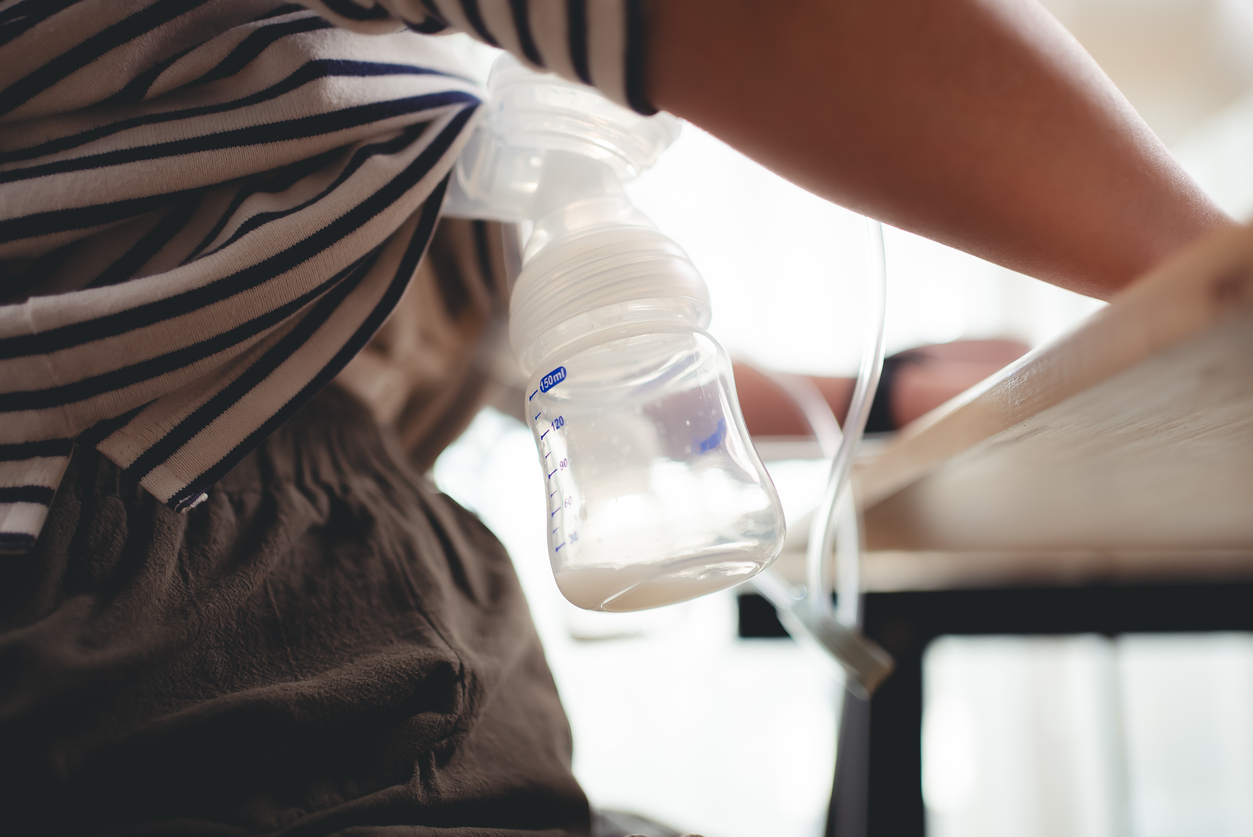
The state’s investigation found that some employees were denied flexible bathroom breaks, modified work schedules and opportunities to sit rather than stand for extended periods. Nursing employees also reported difficulty obtaining clean, private spaces to pump breast milk.
Other workers said they faced retaliation for requesting accommodations or were reprimanded for attending medical appointments.
Attorney General Nick Brown said the settlement is intended to ensure that teachers and other school employees receive the workplace protections guaranteed under Washington law.
Investigators also found that Seattle Public Schools lacked a districtwide policy for responding to pregnancy-related accommodation requests, leaving individual schools without consistent procedures.
What the settlement requires
Under the consent decree, Seattle Public Schools must adopt a districtwide pregnancy accommodation policy and train employees responsible for reviewing requests.
The new policy must establish a consistent process for handling requests, with the district required to respond within five business days.
Schools must provide accommodations required by law, including opportunities for pregnant employees to sit more frequently and reasonable breaks and private spaces for nursing employees to express breast milk. The district must also inform workers that they cannot be punished for seeking accommodations.
The $600,000 settlement fund will be administered by the Attorney General’s Office to compensate affected employees, cover enforcement of the agreement and recover related costs as needed.
What Washington law requires
Washington’s Healthy Starts Act, which took effect in July 2017, requires employers to provide reasonable accommodations for pregnancy and nursing, subject to certain exceptions. Employers must give nursing employees “reasonable break time for an employee to express breast milk for two years after the child’s birth,” along with access to a private pumping space that is not a bathroom.
But Seattle Public Schools failed to meet those requirements, according to the Attorney General’s Office.
In a 2025 statement announcing its lawsuit, the office said the district “routinely failed to provide reasonable break time for employees to express breast milk. Arrangements for pumping were frequently disregarded, and when employees raised their concerns, these were further overlooked, resulting in missed pumping breaks. SPS’s conduct, among other things, left employees in pain, with clogged ducts, and with serious health issues like mastitis and difficulty breastfeeding. Consequently, at least one employee felt as though they had no choice but to take leave to continue breastfeeding.”
The district was also accused of denying pregnant and nursing workers the more frequent, extended or flexible restroom breaks guaranteed under state law. According to the state’s complaint, “When one employee requested a reduced work schedule, SPS’s initial response was that if she did not work full-time, she would be removed from her position thereby losing her insurance benefits.”
Healthy Starts act protections include additional or flexible restroom breaks, changes to food and drink restrictions, seating for employees who ordinarily stand, assistance with lifting and other physically demanding work, and scheduling flexibility for prenatal medical appointments. Employers may also be required to modify work schedules, temporarily reassign employees to less strenuous duties or make other reasonable adjustments.
For nursing employees, the law requires reasonable break time and a private location other than a bathroom to express breast milk for up to two years after childbirth when needed. Employers are prohibited from retaliating against workers who request legally protected accommodations.
Employees who believe they have experienced pregnancy-related discrimination or retaliation can file a complaint with the Attorney General’s Office or call 1-833-660-4877.
The settlement establishes new districtwide requirements intended to prevent the problems identified by state investigators and ensure that employees across Seattle Public Schools receive consistent protections.