Seattle doesn’t need to close its schools. It needs a plan to fill them.
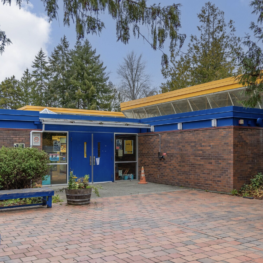
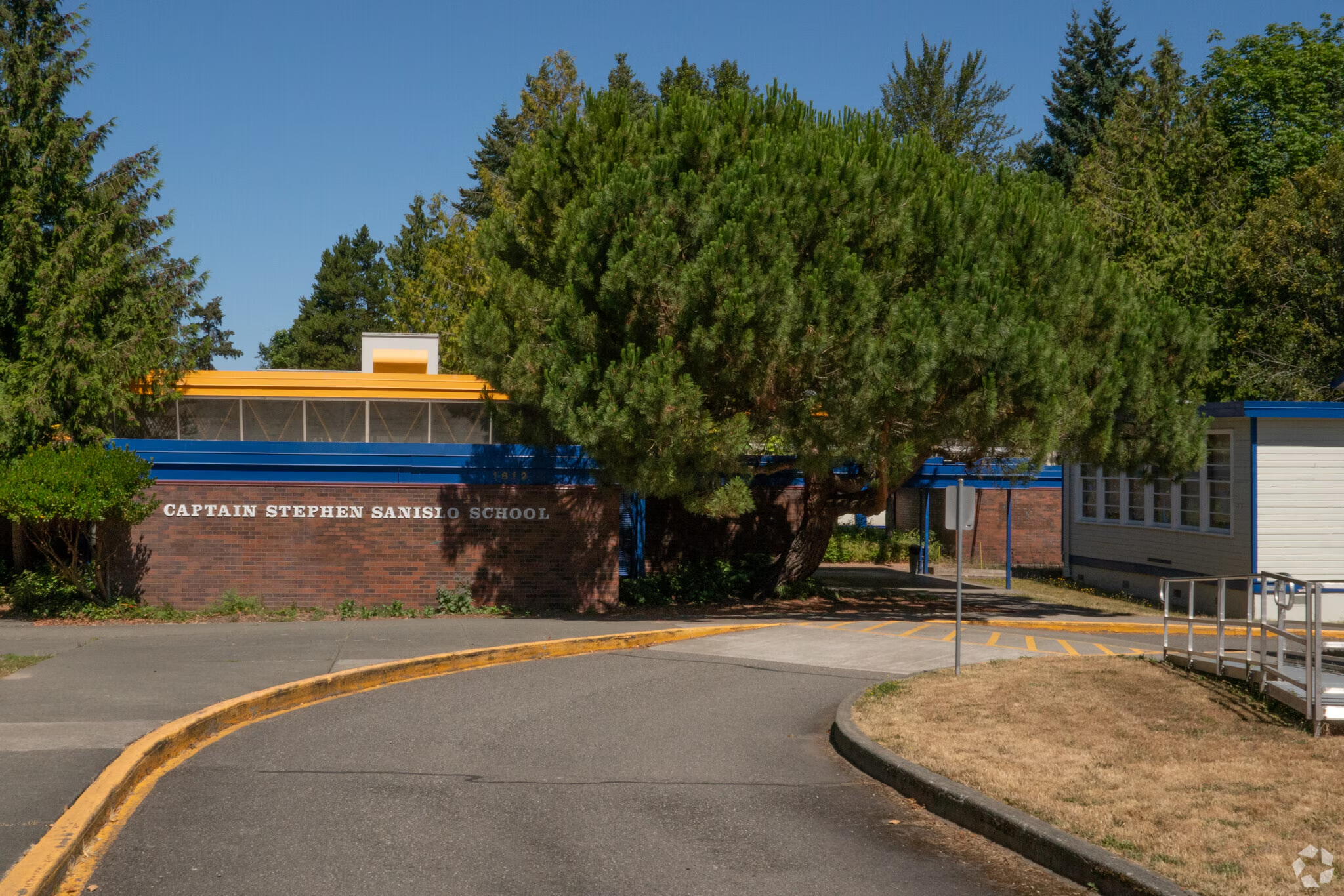
When we enrolled our daughter at Sanislo Elementary this fall, we were new to Seattle Public Schools and felt hopeful. We both grew up with strong neighborhood elementary schools in the 1990’s and we wanted the same for our bright, curious kindergartener. We found a tight-knit, diverse community at Sanislo and the education she is receiving has impressed us from the first few weeks.
Then came the news: the District wants to close Sanislo and merge 21 schools.
We have seen this before. In 2024, Seattle families rejected a similar plan, polls showed Seattle residents disapproved of closures as a fix for SPS’s problems and the School Board shelved it. Now the plan is back, moving at hyper-speed under a brand new Superintendent.
Leading up to our decision to enroll our daughter in Sanislo, we heard nearly all good things about the school, and the downsides seemed to largely stem from the District chronically and intentionally neglecting the building and program offerings. So far, Sanislo has met our expectations. We are impressed with the community and the quality of education our daughter is receiving.
We want to give Superintendent Shuldiner his due. Since he arrived in February 2026, he has shown real interest in student safety and well-being, and his questions about academic rigor are on track. We also understand his argument: schools with aging and unmaintained buildings along with low enrollment could pool resources and offer a fuller education without further straining the budget. It’s a seductive pitch, but it ignores what closures cost.
The evidence from other cities is sobering. Student learning suffered significantly after recent school closures in Chicago and San Antonio and SPS has not explained how it would avoid the same outcome. Chicago’s enrollment fell by 11,500 students (approximately 3.8%). Seattle would likely see its own version of families fleeing the district and getting their educational needs met elsewhere. As we grow closer to the open enrollment process for next school year, families with options are already discussing plans to leave over instability, longer commutes, and unstable learning conditions. This matters because school funding follows students. Fewer students means less money, which undercuts the promise that merged schools will offer more.
There is a deeper loss too. Schools are invaluable community assets, and once surrendered they are nearly impossible to reclaim. Sanislo is where our neighbors gather and spend time in nature, strengthening our community. In a part of the city already coping with gun violence and houselessness, removing a stable anchor will deepen these problems, not ease them.
The District’s building troubles are real, but they are the product of years of neglect, despite plenty of available capital funding to have avoided this. Closing district schools doesn’t repay that debt. It walks away from it.
A better path exists. Instead of consolidating schools, the District should partner with the community to envision a 10-year plan that grows enrollment, puts current school buildings to work for students and neighborhoods, invests in facilities, adds new programs, and ensures both academic rigor and attention to each child’s whole needs. State funding and the new Millionaires Tax can help pay for it.
SPS is hemorrhaging enrollment to our private school competitors. You may hear some say that we have to reduce the number of SPS school buildings due to a decreasing population, but this is misleading. Seattle is one of the rare cities in the country where the population of school-aged children is increasing. A bigger problem is that 25% of Seattle’s K-12 eligible children are enrolled in private schools and almost half of Kindergarten-aged kids are not enrolled in SPS. As part of a plan to increase enrollment, we should market to families and compete for these students.
That work cannot happen at the current pace. The school merger timeline makes real community feedback close to impossible, especially for families who need interpretation services and child care or cannot attend evening forums. A District that ignores those voices risks losing its relevance to the people it serves.
Seattle Public Schools faces a crucial choice. It can keep spiraling and gutting public resources, or it can envision something better and invest in a more hopeful future. Superintendent Shuldiner still has time to turn this around. We urge him to choose the latter.