EDITOR’S NOTE: Seattle’s Child publishes health alerts and informational articles from Public Health — Seattle & King County as a service to our readers. The alert below was written by the health department and was edited slightly by our staff.
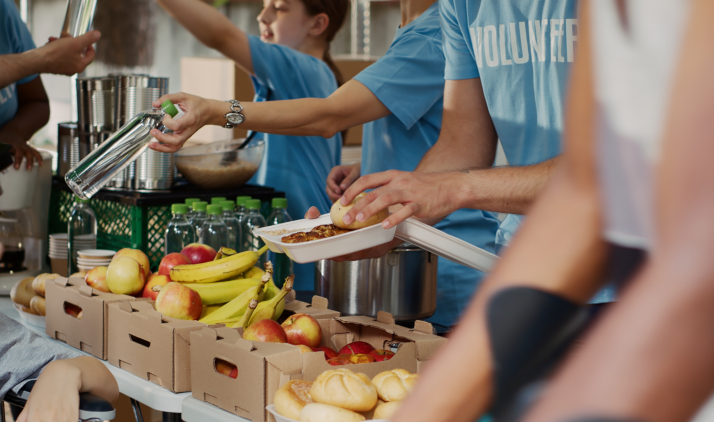
Donated food from groups to food banks, schools, and service organizations play a big role in helping feed our communities. Just like with food you buy at a restaurant or a grocery store, it’s important that donated food is safe and won’t make anyone sick.
With food donations increasing around the holiday season, we asked our food safety team for the top questions they get from groups that donate food.
Our family is part of an organization. What type of food can we donate?
Donated food should come from one of these sources to make sure it won’t make people sick:
- Packaged foods. For example, store-bought bagged salads, canned goods, and other packaged food products. This can also include commercially packaged foods, such as granola bars and dry rice. NOTE: Certain foods are not suitable for donation because of safety concerns. These foods include:
-
- Home canned, vacuum-packed or pickled foods.
- Foods in soiled containers.
- Perishable foods past a “use by” date, unless frozen.
- Foods in sharply dented or rusty cans.
- Foods in opened or torn containers exposing the food to potential contamination.
- Unpasteurized milk.
- Foods with an “off” odor.
- Foods prepared, cooked, cooled, or reheated at home (except for baked goods).
- Prepared foods made in a permittable kitchen. Home kitchens typically can’t be used to prepare donated food.
How can my group or family find a kitchen to safely prepare food for donation?
Prepared food needs to be made in a permittable kitchen, meaning the kitchen has adequate equipment and can safely be used to make the donated food. There are several types of facilities with permittable kitchens. We recommend you reach out to the below facilities to ask if they have permittable kitchens which you can use:
- Faith-based organization kitchens (for example, churches)
- Community center kitchens
- Commissary kitchens
- Food businesses that have a Public Health permit, such as a restaurant
Once you have identified a permittable kitchen, check with Public Health before preparing foods by emailing [email protected] or following the registration steps on our webpage: Donating food and feeding our community safely.
After finding a safe kitchen, what else should we do to make sure our prepared food is safe for donation?
In addition to coming from a safe source, it’s important that prepared foods meet quality standards to keep people from getting sick. This means the food hasn’t previously been served (don’t donate your leftovers!), and that it has been properly handled and stored. Perishable foods must be kept at proper temperatures: 41℉ and below for cold foods and 135℉ and above for hot foods.
Foodborne illness can cause severe health impacts for higher risk groups, like people who are 65 or older, children under 5 years old, people with weakened immune systems, and pregnant people.
How can Public Health help?
The Donated Food Distributing Organization Program provides free food safety educational resources to food banks, food pantries, shelters, food programs for kids, and other hunger relief organizations. Our team offers educational visits, inspections, consultations, and food safety workshops all free of charge.
We can also help determine if you need to register as a Donated Food Distributing Organization. We are happy to support you with the registration process or connect you with other organizations for volunteer opportunities.
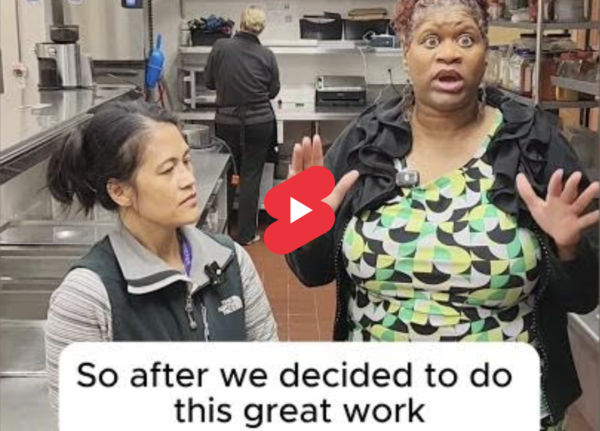
CLICK VIDEO: Thu, who leads Public Health’s Donated Food Distributing Organization Program, visits a local partner, Kingdom Gathering Outreach, who supports senior living facilities with free meal service and food pantry services.
More information and resources
- Donating food and feeding our community safely: Information about Donated Food Distributing Organizations, requirements, and resources
- Charity Food Donations: Washington State Department of Health’s food safety guidelines for donated food
Thank you to all of our partner organizations who help feed our communities!
This article was reposted with permission from The Public Health Insider, the official blog of Public Health — Seattle & King County. The blog provides timely, interesting, behind-the-scenes news about efforts to protect the health and well-being of all people in Seattle and King County. Sign up to receive notice of new blog posts.