Cut to the chase: Bursting with originality and somber themes in line with the protagonist’s coming-of-age revelations, “The Boy and the Heron” is another Miyazaki classic that will leave audiences touched by the incredibly moving imagery and fantastical journey to one child’s self-discovery.
Back in action
Though publicly retired in 2013 (in 1997 and 2001), famed Japanese writer-animator-world builder Hayao Miyazaki has returned to the art form he revolutionized with his twelfth feature film, “The Boy and the Heron.” This installment from his Studio Ghibli production company reinforces Miyazaki’s designation as one of the greatest animators and filmmakers of all time.
“The Boy and the Heron,” however, does not have the same temperament as the fluffy “My Neighbor Totoro” or whimsical “Kiki’s Delivery Service” that many have associated with the film company. After seven years in production due in large part to scheduling around the COVID-19 pandemic and Miyazaki’s meticulous, sometimes painstaking attention to detail, this film is a darker, more adult venture into one child’s reckoning with loss, change, betrayal and forgiveness.
Semi-autobiographical, fully-Inspired
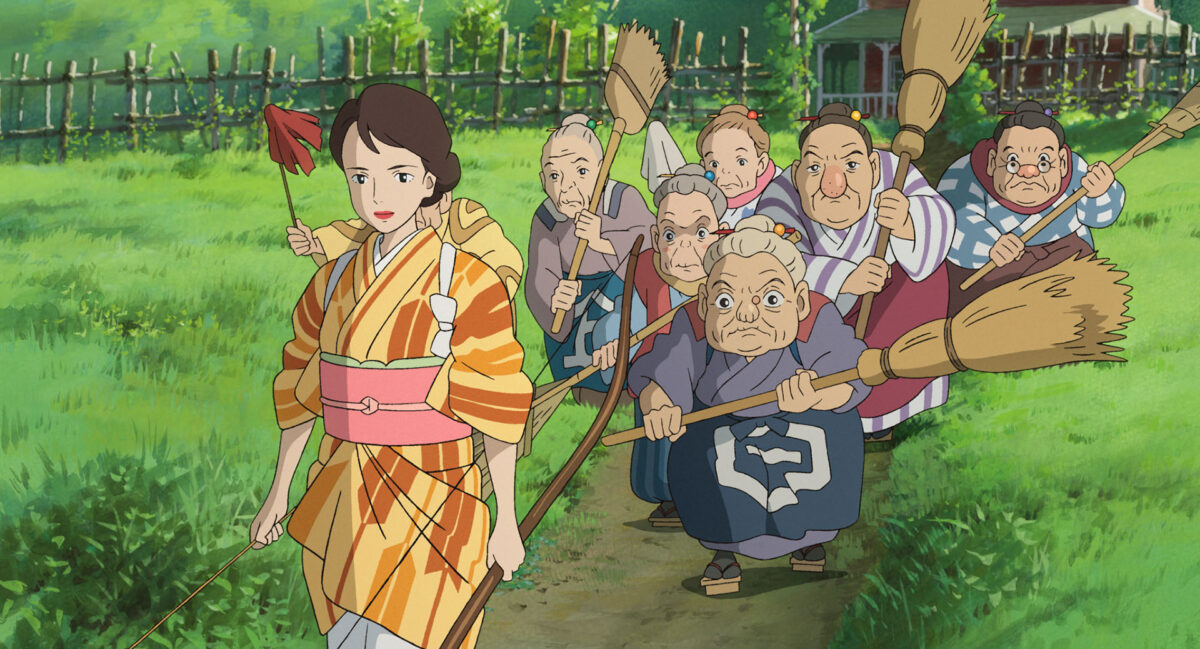
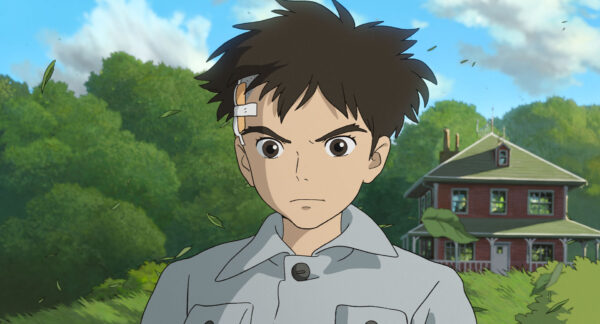
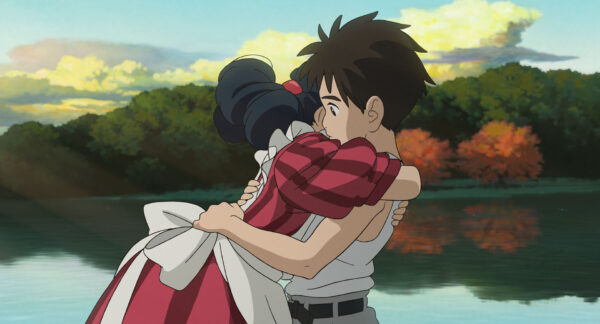
Like Miyazaki’s last feature film, “The Wind Rises,” which was also given a PG-13 rating, “The Boy and the Heron” is animation for slightly older eyes and more mature mentalities. Somewhat based on the director’s own life story, the film follows Mahito Maki (Soma Santoki in the Japanese version; Luca Padovan in the English dub), a young boy who, similar to Miyazaki’s childhood, is evacuated from Tokyo to the countryside during World War II. He loses his mother to a hospital fire, and at twelve, on the cusp of manhood, he struggles to accept the decisions the adults in his life are making.
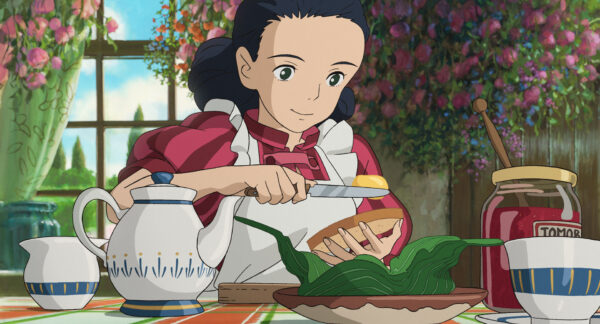
His father quickly remarries his mother’s younger sister Natsuko, who is already expecting their first baby. They have moved into his mother’s childhood home, and he struggles with bullies at his new school. Attempting to grieve the colossal loss of his mother and to adjust to life away from the city, Mahito becomes fixated on an otherworldly grey heron who appears near the river. In pursuit of the taunting bird and in an attempt to locate his aunt/stepmother, who has disappeared, Mahito enters a mysterious, grandiose tower purportedly built by his great-granduncle. Feared by the staff members who have worked at the family’s home for decades, the tower is both a symbol of blood ties and a roadblock to growth.
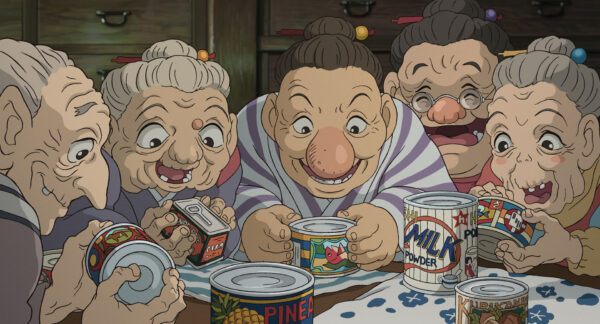
Like many of Miyazaki’s films, which find young characters entering magical worlds, the tower is a portal to one such alternate universe where man-eating parakeets trudge around as warring soldiers, and bubble spirits called Warawara float around until they are born into the human world and a vivacious young girl named Himi dashes around the complex like it’s her playground. It is a magical world, filled with doors to other worlds and incredible creatures, but the tower also contains malevolence. Mahito’s great grand-uncle, who still resides inside the mystical structure, must convince the young boy to become the new overseer of the tower or else the supernatural realm may be lost forever.
Imagination Takes Flight
What will delight followers of Miyazaki is this film’s incredible imagination. It begins tethered to the darkness of WWII Japan. Mahito loses his mother and his entire understanding of the world when he is uprooted from the city. But the countryside, as in most of Miyazaki’s films, proves magical in its own right, given the space and opportunity to turn ordinary things into the extraordinary.
The art direction retains all the enchantment you’d expect from the maestro of manga, but perhaps the more significant feat in “The Boy and the Heron” is that it follows old-school fairy-tale lore: no character is perfect, and choices aren’t always made for the convenience of the plot. There is heartache and disastrous consequences. The beautiful images don’t hide these cold truths but magnify their power.
Using other classic children’s properties like “Alice in Wonderland” and “The Chronicles of Narnia” as apparent stepping stones, “The Boy and the Heron” never over-explains itself, a trait more children’s properties could emulate. There is mystery behind every door, and even grown viewers will be thinking about the film’s meaning and intent for days after watching. Mahito, neither a “bad” nor “good” character, is free to take an unexpected course of action. Young viewers are handed a mirror and forced to ponder his choices and their own.
Know before you go
MPAA Rating: PG-13 for some violent content/bloody images and smoking
Recommended Age: 10+
Runtime: 124 minutes
Nightmare Inducers: The film is certainly more mature than other Studio Ghibli staples. There are depictions of smoking, and the lead character steals cigarettes for barter. There is mild language (nothing more than “shut up” and “damn”) and some graphic use of weapons like a large knife that slowly slices through thick flesh of a fish, gutting it completely. The film’s “other world” creatures, in true Ghibli fashion, are high fantasy work. Though Japanese audiences might be expecting some unsettling imagery, young American viewers may be taken aback by the strange creatures or, for example, the troll-like person that lives within the titular gray heron. At first, only his large teeth can be seen skirting the bird’s beak, and that is enough to give some grown adults unnerving dreams. There are also depictions of self-harm that could confuse, upset or trigger adolescent eyes.
Difficult Concepts or Emotions: Grief and managing one’s grief are perhaps the overriding themes in the film. Unlike many of Miyazaki’s other protagonists who are, for the most part, optimistic or naïvely happy characters, Mahito has a darker, more negative outlook. He hits his own head with a rock, a point the film makes to demonstrate his “malice” and otherwise fall from childhood and into sin-filled adulthood. Though his stepmother is a kind character, Mahito struggles with her sudden appearance as his father’s new wife, and many children of divorce may understand his outrage. His mother is depicted several times as alight with fire, reminding audiences of her brutal death of burning alive which may, in reality and in theory, upset some viewers.
Read more
Shop local with our holiday gift guide
Find more things to do on Seattle’s Child