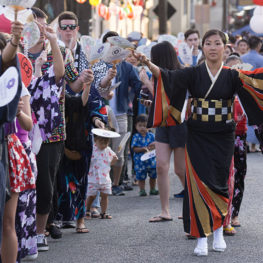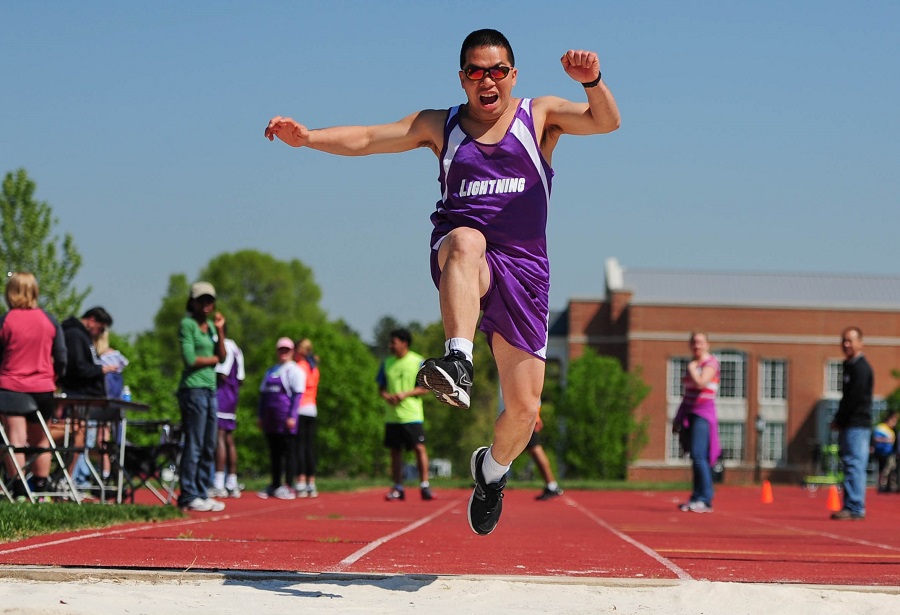
More than 4,000 athletes and coaches representing all 50 states will compete in 14 Olympic-type team and individual sports — from flag football and soccer to power-lifting, standup paddle boarding and golf — at the Special Olympics USA Games beginning July 1 at eight locations around Seattle. The six-day event will showcase the talents of athletes with intellectual disabilities and will be the biggest athletic event in the region in almost 30 years.
All sporting events are free and open to the public and are a great chance to be inspired and be reminded of the importance of inclusion. Here’s how to get the most out of this once-in-a-lifetime opportunity.
The Athletes: For Special Olympics athletes, these Games are the chance to engage in a competitive environment alongside other athletes, something that many have been denied most of their lives. Here, they find a true home where they feel accepted, valued and supported.
Special Olympics also provides athletes with free health screenings and the tools necessary to develop lifelong healthy habits. That makes Special Olympics the largest global public-health organization specifically for people with intellectual disabilities. Close to 2 million health screenings have been given to athletes worldwide, and more than 220,000 professionals have been trained on identifying and treating health issues common to those with intellectual disabilities..
As a spectator: Attending the 2018 USA Games will leave you inspired by the courage of the athletes and awed by their athletic feats. The environment as a whole is inclusive and positive, and it’s a once-in-a-lifetime chance to be involved in one of the largest sporting events in the history of Seattle.
You’ll most certainly leave the Games with a changed heart and mind toward people with intellectual disabilities, organizers say. It's a great way for the whole family to be introduced to this inspiring global movement and witness firsthand the power of sports and inclusion.
Many of the athletes at the Games have fantastic stories to tell about how the Special Olympics changed their lives.
To learn more about some of them, check out Kaiser Permanente’s series of Team Washington athlete profiles to learn more about people like Devon Adelman, a stand-up paddle-boarder from Seattle, or Joshua Bennett, a football player from Federal Way.
One thing we loved learning? The youngest competitor at this years’ USA Games is 8-year-old gymnast Frannie Ronan from Bellevue. The oldest is a 74-year-old track star—Shebbie Eubanks from Arkansas.
The Opening Ceremony happens on Sunday afternoon, July 1, at Husky Stadium, and will be a fun, family-friendly event with live entertainment, ceremonial events, the Parade of Athletes and the lighting of the Special Olympics Cauldron to open the Games. Actor Taye Diggs will serve at the master of ceremonies, and there will be music by Allen Stone, Charlie Puth, Ann Wilson and more. Adult tickets start at $20; youth (3-17) are $12.
For families with kids between the ages of 2 and 7, with or without intellectual disabilities, the Special Olympics Young Athletes Festival, running from July 2-5, will introduce kids to sports basics like running, kicking and throwing. Kids will also learn skills like how to play with others, sharing, taking turns and following directions. Activities will be held at Seattle Center and outside the IMA building on the UW campus; check schedule for details.
The Fan Zone is also open to all and runs from July 1-6 at Husky Stadium, with live music, exhibits and activities to entertain both the athletes and the spectators.
The Closing Ceremony at Lake Union Park on July 6 is also free and the public is invited to celebrate the athletes’ successes and hear music from Seattle band, Hey Marseilles. There will also be food trucks, street performers and a short wrap up program.
There also are a variety of competitions taking place throughout the week at eight venues across Puget Sound, the best way for families to welcome and encourage all of the athletes by coming out to cheer them on. Check out the schedules online.
Talking to your kids before you go: Address the topic of disabilities objectively. People with disabilities want to be accepted and treated like everyone else. Rather than framing disabilities as a disadvantage, frame them as a difference.
When in doubt, always #ChooseToInclude. That is the motto at the Special Olympics and one of their main hashtags.