A doctor speaks: We can turn the kids’ health decline around
By Cheryl Murfin
Earlier this month, The Journal of the American Medical Association (JAMA) published a new study examining the health of U.S. children over the past 17 years. The findings? Children are more likely to have obesity, chronic diseases, and mental health problems like depression today than they were nearly two decades ago. Our kids’ health is declining.
A confirmation
The results weren’t new — researchers have been watching childhood weight and rate of depression increase for years. However, the study provides a comprehensive overview of childhood health by examining 170 indicators of kids’ physical and mental health.
“The surprising part of the study wasn’t with any single statistic; it was that there’s 170 indicators, eight data sources, all showing the same thing: a generalized decline in kids’ health,” said Dr. Christopher Forrest, one of the authors of the study published earlier this week in JAMA.
Policies working against children’s health
One of Seattle’s leading pediatric experts, Dr. Frederick Rivara, co-wrote an editorial accompanying the study published in JAMA. The authors wrote that by “fueling vaccine hesitancy among parents that may lead to a resurgence of deadly vaccine-preventable diseases,” cutting injury prevention and maternal health services, and other losses, the Trump administration and, in particular, the U.S. Health Secretary Robert F. Kennedy Jr.’s “Make America Healthy Again” campaign is pursuing other policies that will work against the interests of children.” At the same time, they wrote, the campaign is bringing greater awareness to some diseases.
Among the study findings of U.S. kids:
- The percentage of children with chronic conditions rose from approximately 40% in 2011 to about 46% in 2023.
- Childhood obesity rates rose in children 2-19 years from 17% in 2007-2008 to 21% in 2021-2023.
- Childhood loneliness, sleep issues, low activity, and early menstruation have all increased.
- A child in 2023 was 15% to 20% more likely to have anxiety, depression, sleep apnea, or other chronic issues than was a child in 2011.
- In the U.S., babies are more likely to be born premature or die suddenly and unexpectedly than in other high-income countries, and American kids were around 1.8 times more likely to die than kids in other high-income countries between 2007 and 2022.
From the trenches
We asked Dr. Elizabeth Meade, Chief of Pediatrics at Providence Swedish in Seattle, for her thoughts on the study, what it means for children in our area, and what parents can do to help turn the decline around. Each year, Swedish Pediatrics serves about 55,000 kids in pediatric clinics and nearly 28,000 patients under 18 in emergency rooms. The hospital records 11,000 births each year. Here is part of the conversation with Dr. Meade.
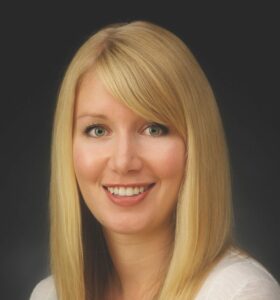
Dr. Elizabeth Meade, chief of pediatrics at Providence Swedish. (Image: Providence Swedish)
Seattle’s Child (SC): Have you noticed changes or increases in admissions or specific illnesses in the past 10 years?
Dr. Meade: I’ve been working in pediatric medicine for almost 20 years. We have seen significant increases in hospitalizations for many chronic illnesses, as well as skyrocketing admissions for mental health care.
Were you surprised by the findings?
Sadly, I don’t think most of us in pediatrics are necessarily surprised by this, though we are saddened by it. My guess is that this is also true for adults in the U.S., as we see things like economic hardship, food insecurity, loss of safety-net programs, increased time on screens, decreased time outdoors and being active, and ultra-processed food intake continue to grow at a rapid pace. I do think, however, that the unanimity of these findings serves as a call to action for all of us—physicians, parents, community members—to do better for our children.
Can you put the findings in the context of what you’re seeing at Providence and in Washington?
One telling example is the huge increase in mental health crises for children, youth, and teens. In our Providence Swedish Emergency Rooms in 2019, we had 74 ER visits for patients under 18 for mental health reasons. In 2023, we had 564.
The experience of pediatricians and family medicine physicians in Washington and at Swedish certainly aligns with [this study]. We see children getting sicker, dealing with more chronic illness and mental health issues, and with fewer resources to support them.
In Washington state, our rate of youth obesity went from around 10% in 2016 to 15% in 2023.
The child death rate overall in the U.S. in 2020-2022 was 29 per 100,000 children. Washington’s was 25.4 per 100,000—so we are somewhat better but still far worse than many other high-income countries.
What are the solutions for turning the decline in children’s health around?
One extremely important thing to understand is the causes behind the death rates. For infants under 12 months, the biggest differences are in prematurity and Sudden Unexpected Infant Death. For 1- to 19-year-olds, the biggest differences are in firearm-related deaths and motor vehicle crashes. All of these things are results of our federal and state policies around public health issues.
When we think about the obesity and chronic disease data, we think not just about the risk of dying but about the quality of life that our citizens have, both as young people and older adults.
I offer this to parents: there is still so much time to turn things around if your child is facing one of these issues—kids are so resilient, and making changes today can set them up for a lifetime of healthier living.
So much of this is out of our individual hands and in the hands of our legislators and government leaders, which is also why voting for candidates who understand and value child and family health is critical. But we can also all take individual steps today to improve the health of our kids and ourselves, focusing on our food choices, sleep habits, movement, family culture, and mental health practices.
This is a wake-up call, a call to action, and a threat to our kids. However, there is also time for us to turn the ship around and work toward building healthier communities, families, and systems.
Whose responsibility is it to turn these declines around?
In most cases, parents are doing their absolute best. While it’s imperative that parents take an active role in their children’s health and receive education about best practices, they cannot bear the sole responsibility for doing so in a system that sets them up to fail.
When schools, pediatric health care and mental health resources, safety-net systems and insurance programs like Medicaid (which covers HALF of Washington’s children) are all underfunded, when parents don’t have access to affordable and reliable child care so that they can work outside the home and provide for their family, and when our food system makes it cheaper and easier to eat junk rather than nutritious whole foods—how can we possibly set families up to thrive and raise thriving children?
Will the U.S. health secretary’s “Make America Healthy Again” exacerbate the decline in children’s health?
This is a classic case of throwing the baby out with the bathwater. While some of this administration’s actions may benefit child health—work on ultra-processed foods and food dyes, for example—the undoing of decades of progress in fundamental areas of health care like vaccine-preventable diseases, Medicaid, and other child health programs will make those advancements completely moot for many children.
Before the measles vaccine, measles killed about 2 million people worldwide every year—and that was when the world population was almost a third of what it is now, meaning that number would be more like 5-6 million a year now. We must be able to take a [higher and broader] view of child health and say that we can decry the state of our food in this country and also rely on safe and effective public health interventions with decades of evidence behind them.
What are the most important steps parents can take to protect their kids from obesity, depression, anxiety, sleep issues, early onset of puberty, and preventable diseases?
So many of these things have the same solutions—move more, eat more whole foods, sleep better, create community, cultivate a family culture that values health and connection. But to break it down even more:
- Obesity: We have got to move our bodies every day. This doesn’t need to be rocket science or even complicated – take walks together as a family, make your time together active, and model healthy choices for your kids. Try to eat foods that grow naturally and don’t come in bags or boxes. Eat a lot of plants. Drink water.
- Depression and anxiety: Have real conversations with your kids about what is making them anxious. Brainstorm together on how to tackle it. Make mental health check-ins a regular part of your routine. Try to protect them from catastrophic thinking, adult conversations, and scary news (depending on their age, of course). Seek help early if you are worried.
- Sleep issues: Remove devices from the bedroom whenever possible (for everyone). Try to start winding down an hour before sleep time – no screens, quiet activities, reading, etc. Rooms should be quiet, cool, and very dark. Talk directly with your kids about the barriers they may face in terms of quality and quantity of sleep. The answers might surprise you. Again, model the same things you want to see your child doing.
- Early onset of puberty likely has roots in obesity for many children, so focusing on general healthy habits will address this indirectly. For other kids who have true underlying endocrine issues, the discussion will be different.
- Preventable diseases: Get your routine childhood vaccines,. We now have the highest number of measles cases in the U.S. in over 30 years. At least two children in the U.S. have died, and many more in other parts of the world. This is something we should never see in our country.
Is there anything else you’d like to add?
I think it is also necessary to acknowledge that the answers above sound simple, but if they were easy to do in practice, then none of us would be overweight or obese, depressed or anxious, or with poor sleep.
I am a full-time working parent of three kids, often surviving, not thriving. Despite being an expert in pediatric health, I am far from perfect when it comes to these things because life is hard, messy, and it is asking a lot of us right now.
Focus on two or three things you can make routine right now, and work from there. We cannot expect ourselves to do everything above with ease. Because if it were easy, we wouldn’t be having this conversation in the first place. I want parents to know that I see them, I am them, and we are all doing the best we can. Hang in there.