Art, history, science, culture – there are so many museums to explore in our region. And yet, if you feel a little intimidated to take your little ones into those spaces, you are not alone. Fragile items, quiet spaces, and navigating content not geared toward kids—museums can feel like they’re not set up for kids.
Thankfully, many have specific programs to help young visitors enjoy the experience, along with tips for how caregivers can best prepare kids to get the most out of their time at museums.
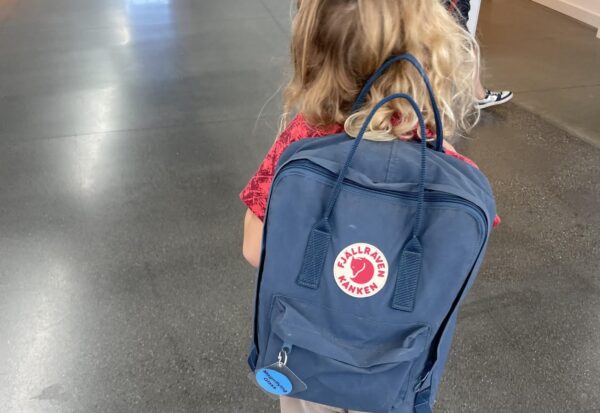
Nordic Explorer Pack ready for action (Photo by Ellie White)
National Nordic Museum
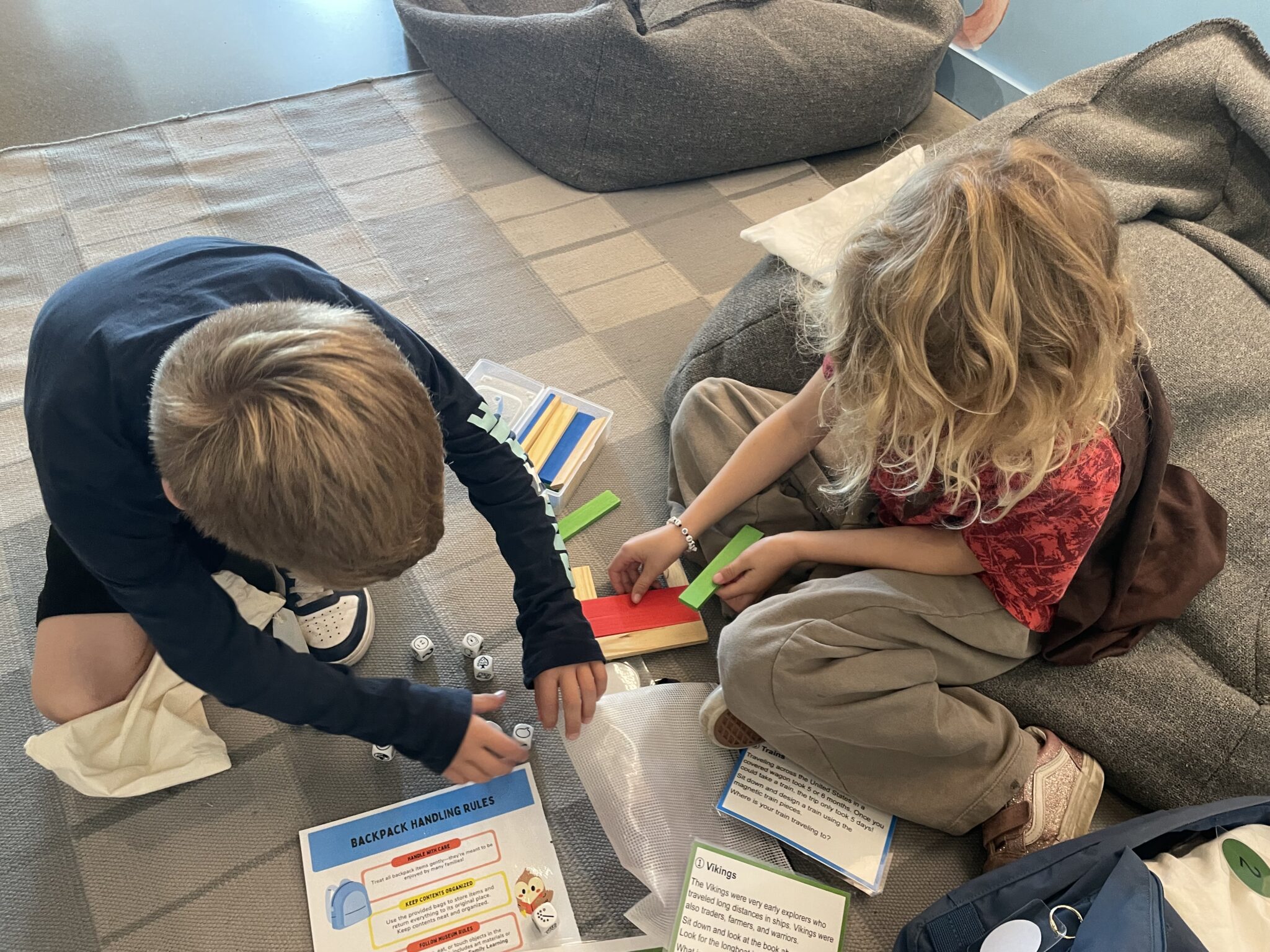
My two 7-year-olds tried out the National Nordic Museum Nordic Explorer Packs on a recent trip to this Ballard museum. You can check out these activity backpacks and take them with you during a museum visit. They are chock-full of activities, from a set of LEGOs, a puzzle and a coloring project to a magnetic train, binoculars, a set of blocks, a book and more.
Based on a museum staff member’s suggestion, we took the backpacks straight up to the kids’ space on the second floor. My kids loved pulling everything out and exploring the different activities— five to seven, each in its own drawstring bag, within each backpack.
Some of the activities had prompts. The Statue of Liberty puzzle activity prompt asks kids to pose like a statue; the Viking book activity invites them to identify their favorite thing in the book; and the train activity inquires, “Where is your train traveling to?”
We stayed in the ‘kids’ space and went through the activities for a while, then spent time creating stories on a felt story board (they loved this activity!). Eventually, we headed out to explore the museum. One of the backpacks had activities that correlated to different exhibits, so we organized our time by trying to do the activities in the exhibit spaces. The backpacks were quite full, and my daughter told me, “Mine is heavy and it hurts.” I ended up carrying them.
After going around the museum with the packs, I realized that I preferred to interact with the backpacks while in the kids’ space. Pulling out activities at exhibits was sometimes cumbersome, since there wasn’t always a designated space to do them. And, as we neared the end of our visit, my kids started to get a bit animated—they were loudly running the magnetic trains up and down the benches in front of an exhibit. I understood their dilemma. They had these toys they wanted to play with, but they weren’t in a space designed to play.
My recommendation: Start the pack exploration in the kids’ space, where they can explore their backpacks, play and imagine without having to be mindful of the other patrons enjoying the museum. Then take time exploring the pictures and artifacts throughout the museum without opening the packs, perhaps rounding back to the kids’ space for more play at the end of your visit.
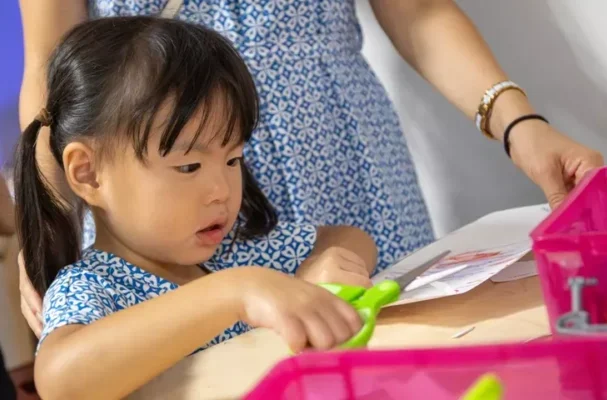
Check out family workshops at MOF (Photo courtesy Museum of Flght)
Museum of Flight: Family workshops
Just south of Seattle, the Museum of Flight caters well to young visitors. It’s large, with five buildings spread across 23 acres. According to staff, it’s designed with families in mind. Interactive, kid-friendly spaces run throughout the museum, along with a dedicated “flight zone” kids area where kids can crawl around, play, interact, and learn. On weekends, the MOF offers interactive Family Workshops. Kids can become museum members through the Connections Program, a limited-space program that offers free admission to kids ages 5-18 (+1 adult admission).
(Photo courtesy
Northwest African American Museum: Math Room, living room, library
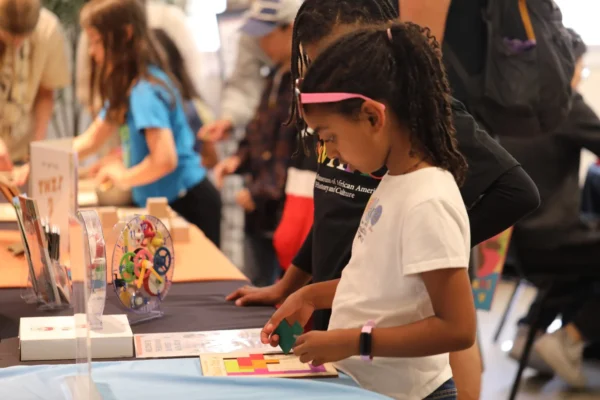
The NAAM offers many opportunities for young visitors to engage. The Benjamin Banneker Math Room is open every Saturday from 10 a.m.- 2 p.m. and features interactive math materials and facilitated play for children and families. The NAAM also has a community library and living room, spaces where kids can interact with books, coloring pages, and other hands-on materials. Additionally, the museum offers different grade-level self-guided tour sheets, a resource kids can use to observe, reflect, and respond as they experience the museum.
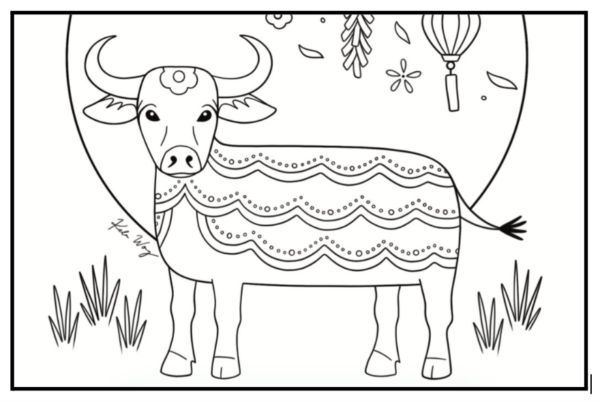
Coloring pages celebrate Asian history and culture at Wing Luke (Image courtesy Wing Luke Museum)
Wing Luke Museum: Coloring pages and more
Wing Luke Museum staff focus on making most of their events and programming suitable for families. The museum provides handouts, such as coloring pages, for young visitors during their visit.
(Image courtesy Washington State History Museum)
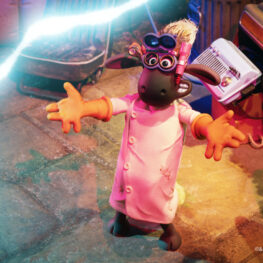
Washington State History Museum: Seymour’s Kids Club
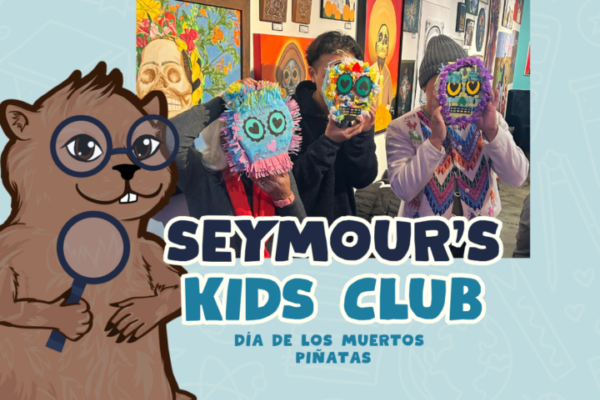
Most of the exhibits throughout the WSHM are interactive. The museum’s top floor is designed for families and includes Washington’s largest permanent model railroad. Each first Saturday of the month during the school year, families can participate in Seymour’s Kids Club, an opportunity to learn about a different theme each month, such as storytelling, cultural celebrations, and other topics.
(Photo courtesy Seattle Art Museum)
Seattle Art Museum: First Saturdays family exploration
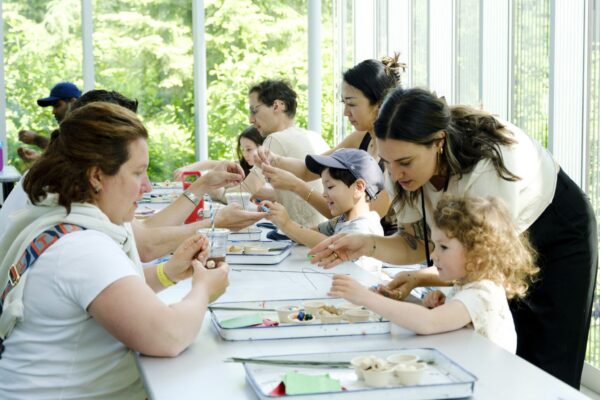
According to SAM staff, the three SAM locations have “endless opportunities for kids to explore, create, and play.” On the first Saturdays of the month throughout the school year, families can participate in art making, storytime, and performances. SAM also hosts community celebrations throughout the year, with interactive activities for all ages.
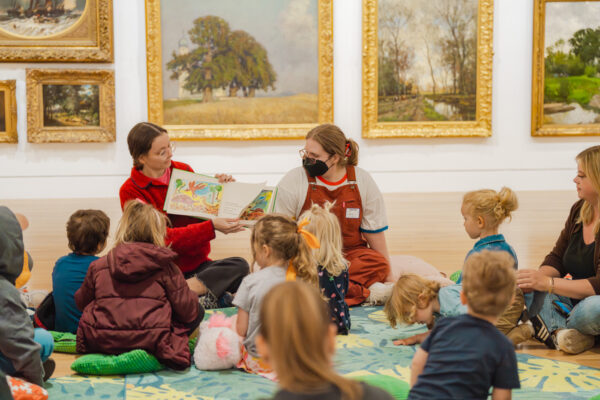
Story Time at the Frye (Photo by Jo Cosme / Frye Art Museum)
Frye Art Museum: Drop-ins and storytimes
Deborah Sepulveda, Inclusive Learning Manager at the Frye Art Museum, notes that “We encourage caregivers to follow their child’s interests, pause at the artworks that catch their eye, and wonder together with questions like, ‘What do you notice?’ or ‘What does this remind you of?’ Sometimes the most meaningful experience is simply finding one artwork that captures your child’s attention, slowing down together, and seeing where their curiosity leads.” At the Frye, families can participate in free drop-in art-making experiences or the Small Frye: Story Time + Art program, where kids ages 2-5 participate in hands-on art and interactive storytelling (space is limited).
(Image courtesy Burke Museum)
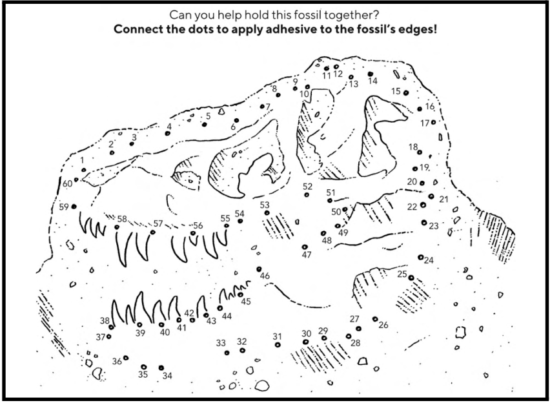
Burke Museum: At-home activities and activity books
Staff at the Burke Museum note that families should plan to visit for at least two hours (though I imagine perhaps a shorter length of time for little visitors). Another tip they share is to encourage kids to find their favorite item or exhibit, participate in the Husky Hunt, or make crafts while visiting. The Burke offers some at-home activities for families (some are free, some have a fee). Hint: Burke activity books are packed full of information and fun and can be used to explore at home or at the museum.
(Photo courtesy Museum Of Pop Culture)
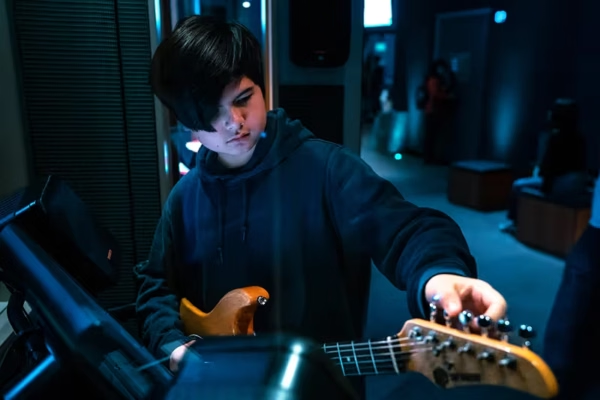
MoPOP: Sound Lab play
MoPOP doesn’t have any specific kid programming, though it does have a few notable features and exhibits. The Sound Lab is an interactive exhibit where visitors can play instruments, record music, and use mixing equipment. The museum also has designated Sensory-Friendly days for individuals and families who benefit from lower volumes and light levels. Fun fact: With ID, Washington residents get 15% off admission.
Don’t forget free days
On the first Thursday of every month, many Seattle-area museums, including the ones above, open their doors with free admission. Some places also offer extended evening hours, sensory hours, others add hands-on activities or exhibits geared toward families. Note: The Frye is always free. Check out the list.