Being a parent is nonstop hard work, making it challenging to stay on top of news that impacts families in Washington state. This Hits Home is your weekly hit of news, commentary, and, occasionally, opinion. Want to have a say? Look for the “Take action” prompts. Here’s the update for the week of July 20-26.
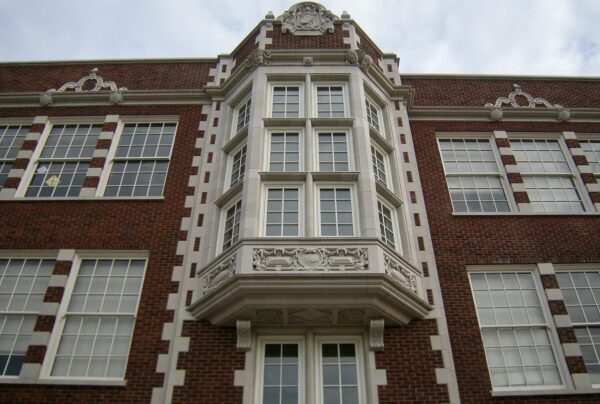
Garfield High School, Seattle (Photo by Joe Mabel)
State BOE proposes new graduation rules
Washington’s high school graduation rules haven’t had an overhaul in more than a decade, but the state Board of Education is now moving on one. The proposed changes to graduation requirements, the board says, aim to give students clearer paths from coursework to whatever comes after graduation. Under a proposed plan released last week, the total credit count a student must meet stays fixed at 24. The board, however, wants to shift how those credits break down, opening up more room for students to tailor their schedules to real career or life goals.
The proposal was developed over two years of work, with a task force gathering input from hundreds of people across the state, including students, parents, teachers, school leaders, and other education stakeholders. Board representatives also met with Washington’s federally recognized tribes. A final vote is expected in September. If approved by the board, the plan then heads to lawmakers for consideration during the 2027 legislative session that starts in January. Because the proposal includes new implementation costs — including teacher training, curriculum development, student information system updates and family communications—it would also require legislative funding before taking effect. The earliest any of it affects an actual diploma is 2031.
Major proposed changes include:
- Core class credits would drop from 17 to 15, while personalized-pathway credits rise from 3 to 5.
- The current art credit would count as a core credit instead; the two-credit language requirement stays as is.
- Students would also need to complete a new “quantitative reasoning” credit on top of the standard three math credits — options on the table include Algebra II, statistics, a technical math course, or even chemistry.
- The personalized track would also gain two brand-new requirements: half a credit of health, and a full credit built around financial literacy, life skills, and dedicated time to work on a High School and Beyond Plan.
- Career and technical education remains the default most students take, but showing proficiency in both the technical and academic sides of a CTE course could bump it up to two credits, or a student could swap it out for a different elective altogether.
- Civics would fold into contemporary world problems, becoming one combined year-long course worth a single credit.
Gov. Bob Ferguson’s push for requiring seniors to complete the federal financial aid application (FAFSA), or its state equivalent, WASFA, as a condition of earning a diploma is not on the list of proposed changes. Read the full story from the Washington State Standard.
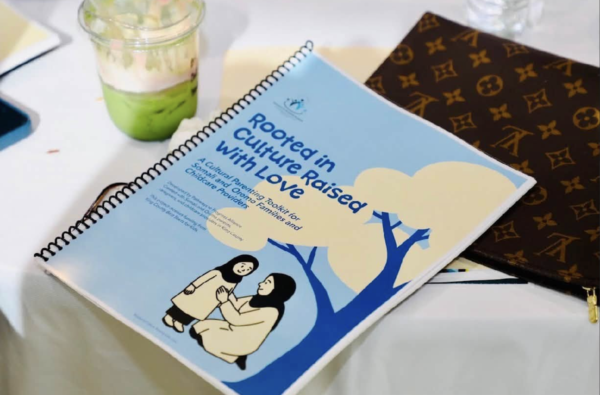
(Photo courtesy Pathways to Progress Alliance)
New toolkit for immigrant parents and child care providers
Earlier this month, Seattle’s Pathways to Progress Alliance (PPA) brought together immigrant families, providers, and elected officials at Highline College to unveil the product of months of community listening sessions: a parenting toolkit rooted in Oromo and Somali traditions and aimed at helping immigrant families with children five and under. According to a report in the South Seattle Emerald, PPA executive director Mardiya Aga called the “Rooted in Culture, Raised With Love” toolkit the answer to a specific absence in early learning — that is, guidance to families and providers that is rooted in both evidence-based child development approaches and the cultures of immigrant kids and families being served.
The new toolkit, which will be ready for distribution by fall, contains lullabies, bedtime stories, cultural proverbs, and emotional-regulation tools, with one lullaby already posted to PPA’s YouTube channel. It was developed out of listening sessions with 20 parents and five childcare providers and funded by a King County Best Starts for Kids grant. Read the full story in the South Seattle Emerald.
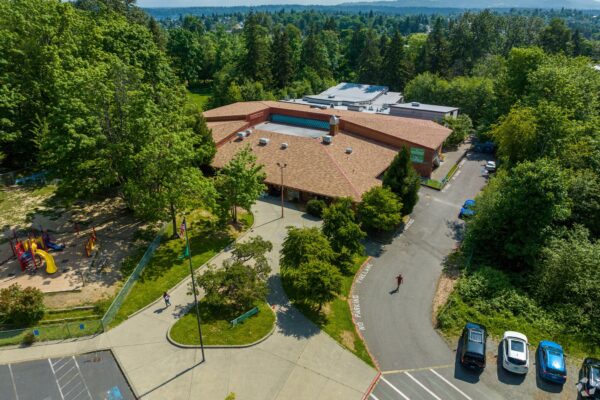
Dearborn Park International Elementary School, Seattle (Photo courtesy Homes.com)
Volunteers needed to prepare Seattle schools for fall
Two Seattle public schools need extra hands to spruce up their campuses, and the Alliance for Education is lining up volunteers to help. The nonprofit’s “Ready, Set, School” program will send volunteers to each campus for half-day shifts, aiming to have classrooms and campuses ready by the start of school in September.
On Friday, Aug. 21, from 12:30 to 3:30 p.m., volunteers will be at Lowell Elementary on Capitol Hill, where they will prep classrooms and bulletin boards, straighten up classroom spaces, clean up landscaping, haul furniture and supplies into place, and reset shared spaces.
Then on Saturday, Aug. 29, from 1 to 4 p.m., the readiness effort moves to Dearborn Park International Elementary on Beacon Hill. There, volunteers will focus on sorting donated school supplies, straightening up classrooms, and moving furniture into place.
Can’t make a shift? Both schools have posted Amazon Wishlists for student supplies and family resource center needs. Amazon offers a discount for supplies bought in bulk. And, of course, cash donations are also welcome:
- $5 – Covers one student planner to learn life skills like time management and organization
- $23 – Covers the cost of school supplies for one elementary school student for a year
- $50 – Purchases a grocery gift card for a family over the weekend or a school break
- $680 – Could help provide an entire classroom of students with the school supplies they need for the year
The Alliance’s downtown Seattle office, located at 509 Olive Way, Suite 500, will also accept donations of new or gently used supplies on Mondays and Thursdays from 9 a.m. to 5 p.m.
TAKE ACTION: Help make Lowell and Dearborn Park International Elementary schools inviting places for students. Sign up to volunteer.

(iStock)
State ordered to pay $118M in teachers pension case
A Thurston County judge has ordered Washington’s Department of Retirement Systems (DRS) to pay $118 million to more than 26,000 current and former public school teachers across the state, including those in Seattle and King County. The judge found that the state owes decades of uncredited interest on pension contributions dating to the mid-1990s. Teachers shouldn’t expect a quick payout: the state is appealing, even as it concedes some liability. The dispute traces back to 1996, when teachers hit a quirk in the state’s retirement accounting system — anyone who transferred mid-quarter lost out on interest for that period and the one before it. The shortfall, about $13 million at the time, has sat in the state’s investment fund ever since, growing at an average 8.65% per year.
According to a report in the Washington State Standard, roughly 61 percent of those covered by the case have already retired. DRS maintains that whatever the final payout number, it won’t severely impact the state’s pension system. Read the full story from the Washington State Standard.
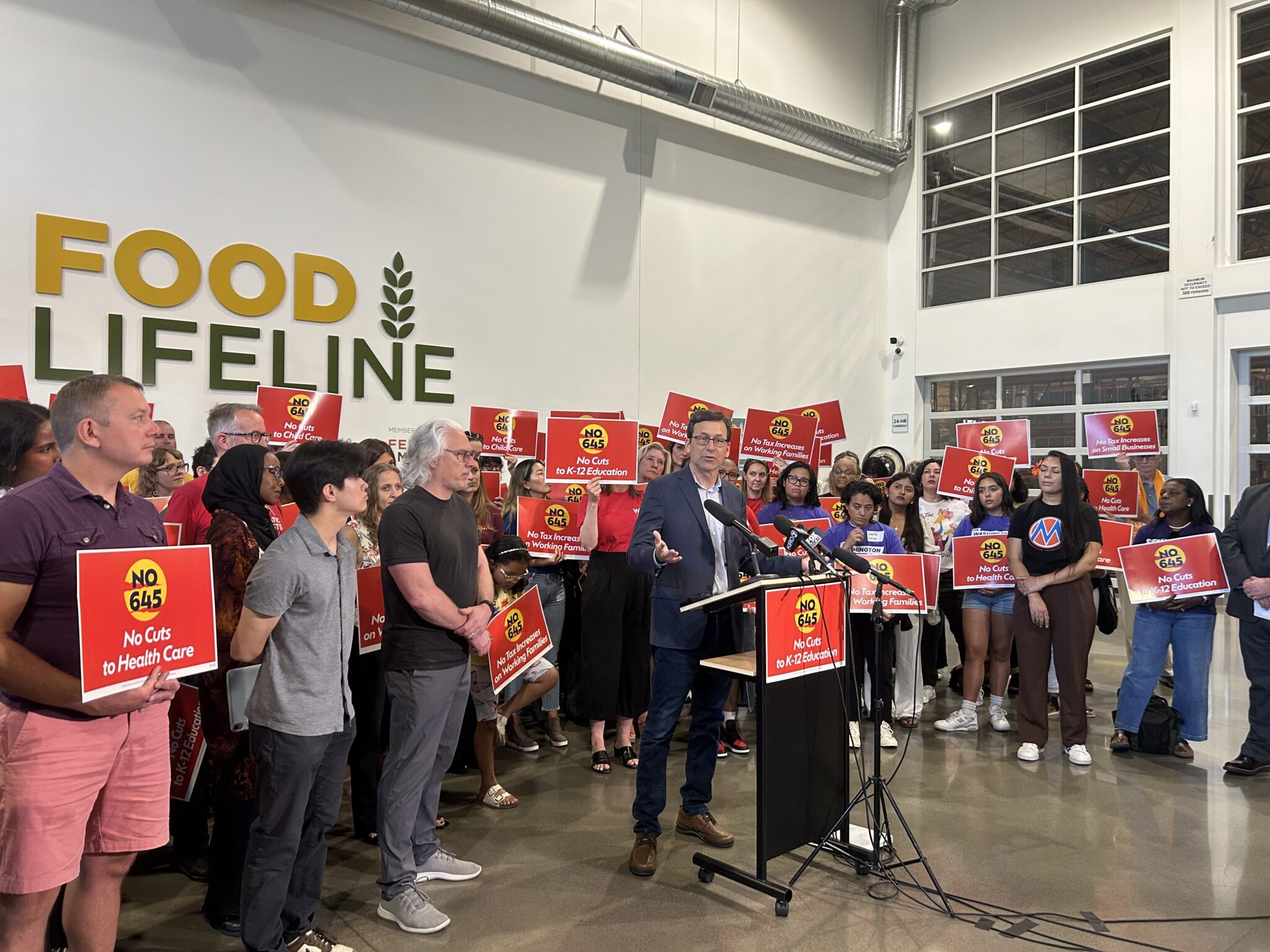
Washington Gov. Bob Ferguson explains his opposition to a Let’s Go Washington initiative repealing the income tax on high earners last week at Food Lifeline in Seattle. (Photo by Jake Goldstein-Street/Washington State Standard)
I-645 will be on November ballot
Washington voters will decide in November whether to keep or scrap the state’s new income tax on earnings above $1 million a year. Last week, the secretary of state’s office certified Initiative 645 after Let’s Go Washington, the organization driving the initiative, turned in more than 509,000 signatures.
A “yes” vote on I-645 would repeal the 9.9% tax — while leaving intact the law’s tax credits for working and low-income families and small businesses. Passage of the initiative would also bar local governments from creating their own income taxes.
A “no” vote keeps the whole law approved by the legislature and signed by Gov. Bob Ferguson in March, including the tax, which is set to start being collected in 2029.
Ferguson held a press conference the day before certification to launch the campaign against repeal, arguing that roughly $3 billion a year in revenue is needed to ensure the state’s wealthier residents pay a fair share of taxes while providing assistance to working and low-income families in the form of tax cuts and credits. Funds from the “millionaire’s tax” would fund schools and needed social safety net programs. Labor unions for teachers, state employees, and service workers all back Ferguson’s efforts to knock down the initiative.
Next up: a state-mandated, 15-word ballot disclosure on the initiative’s fiscal impact, due by July 23 and open to court challenge within days of its release. Read the full story in the Washington State Standard.
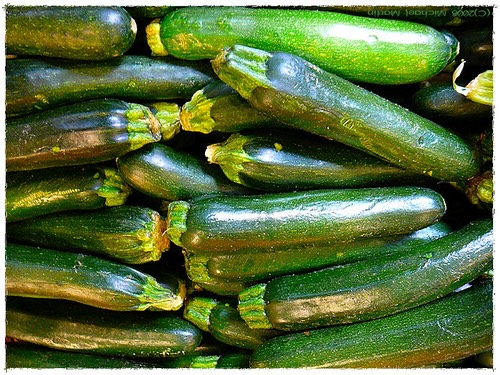
(Photo by pinemikey is licensed under CC BY-SA 2.0.)
Rainier Valley Food Bank wants your extra garden bounty
Zucchini piling up near your kitchen sink, or apples nobody in the house can eat fast enough? Rainier Valley Food Bank is eager to take fresh produce off your counter. The south Seattle food bank is asking home gardeners to bring in whatever’s coming out of the yard right now — squash, herbs, root vegetables, whatever’s ripe — so it can go straight to neighbors facing food insecurity. “Donations of garden produce are a huge deal to us at RVFB,” said Otis Pimpleton, the food bank’s food services manager. “Backyard gardens are a form of sustainable agriculture that doesn’t depend on long-distance supply chains. And local produce builds community among Seattle gardeners, food bank staff and volunteers, and the neighbors who prepare the produce for their families.”
Produce donations are welcome weekdays, 9 a.m. to 2 p.m., at RVFB’s hub at 9021 Rainier Ave S.; media visitors should call ahead to arrange a time. The food bank anchors emergency food access in a stretch of South Seattle where residents span a wide range of races, ethnicities, and income levels, and nobody’s turned away over paperwork — the food bank doesn’t check where you live, what you earn, or your immigration status before handing over food. Scale-wise, it’s no small operation: last year brought roughly 101,000 visits from more than 16,600 individuals, with food moving through its doors topping 1.5 million pounds.
Troubling review of WA’s overcrowded youth prison system
Turnover among staff at Washington’s juvenile detention facilities is severe: close to half leave within their first year, with staff saying they feel “unsafe, unprepared, and unsupported,” according to a new audit from the Joint Legislative Audit and Review Committee. Auditors tie much of that churn to overcrowding at Green Hill School in Chehalis, where safety and security incidents—including fights, assaults, and contraband—more than quadrupled between 2022 and 2024. Auditors say DCYF’s training does not prepare staff to handle fights, assaults, and other incidents. Green Hill holds male offenders aged 17 to 25. Echo Glenn holds kids, both male and female, under age 17.
“Without enough experienced staff, facilities struggle to maintain order, build trust with residents, and effectively deliver rehabilitative programs,” the report states. Department of Children, Youth and Families Secretary Tana Senn didn’t dispute that finding when she addressed lawmakers last week, saying the agency has “been shouting from the rooftops” about the risks of overcrowding and that addressing it will take more funding from the Legislature.
The audit’s findings extend well beyond staffing. It found that confined young people of color are treated inconsistently compared with white residents, and that the risk assessments used to set security levels and release eligibility frequently get it wrong in both directions. The numbers explain some of the strain: Green Hill’s “safe operating capacity” is 180 residents, but it housed 196 as of late June, continuing a pattern of running well over capacity. That overcrowding grew severe enough in 2024 that the state relocated dozens of young men to a facility run by the Department of Corrections, a move that set off lawsuits and sustained public criticism. Echo Glen has a safe operating capacity of 114 and was near or above this level in 2024 and 2025. There are currently about 93 kids at Echo Glen.
Part of the pressure traces to a state law that lets youth convicted of crimes remain in the juvenile system until age 25 rather than transferring to the adult system earlier. State projections indicate overcrowding will persist rather than ease in the years ahead. Read the full story at the Washington State Standard.

(Photos courtesy Seattle Public Schools)
Back and forth on future of universal meals plan for Seattle students
Seattle’s plan for free breakfast and lunch at every public school hit a wall Wednesday, when a City Council committee voted 6-3 to push the launch back a year and fund weekend and school-break meal vouchers for lower-income families in the meantime. By Thursday, three of the same committee members had changed course: Council President Joy Hollingsworth, Councilmember Dionne Foster, and budget committee chair Dan Strauss introduced a new plan to launch universal meals this fall anyway, swapping the levy for general-fund dollars to pay for it.
Strauss said the original funding source, the state millionaire’s take, which is currently facing a recall initiative and a court challenge, was too shaky to rely on. He argued the city can afford both universal meals and the food-assistance vouchers already approved. Mayor Katie Wilson pushed back, questioning where the new money would come from in the general fund and said she’d prefer the council “reconsider the fiscally responsible” plan that she first put on the table.
Next steps: a council vote on the new funding plan is expected next month; if it passes, meals would start in September as originally planned. The general fund being tapped is the city’s most flexible pot of money, about $2 billion, but it’s also the fund absorbing a projected budget shortfall of more than $150 million next year. Read the full story in the Seattle Times.

Jamani with baby Oku (Photo by Beth Keplinger/Woodland Park Zoo)
WPZ baby gorillas get their names
Woodland Park Zoo’s two newest western lowland gorillas, born six days apart in May to moms Jamani and Olympia, have been given names. The infants, both males, are now called Kadre (ka-DRAY) and Oku (OH-koo), names that represent the Central African region where wild western lowland gorillas live. The babies’ arrival and a unique parenting turn have captivated zoo visitors and news outlets for months.
Jamani commenced nursing and nurturing both babies while Olympia recovered from an emergency C-section, the zoo’s first on a gorilla. In early June, when her own baby (Kadre) seemed to be struggling to thrive, zookeepers bottle-fed him and helped him relearn to feed. Once stable, staff placed him in the arms of Olympia for mothering. Jamani has continued to care for Oku (Olympia’s biological baby).
“We were presented with this rare opportunity, and instead of returning Jamani’s baby to her care, we gave him to Olympia, and now both gorillas can care for and raise babies,” Martin Ramirez, the zoo’s curator of mammalogy, said in a release. “The moms and babies get to remain close in the same family group and both moms have an infant to care for. Essentially, Olympia and Jamani have become foster moms to each other’s babies, and both are providing excellent maternal care.”
The name Kadre means ‘helper’ and ‘supporter’ in the Mandinka language. Mandinka is spoken across West Africa. Oku is the name of a mountain in Cameroon in Central Africa.
Visitors can see Kadre and Oku and the zoo’s other gorillas living in two family groups in the gorilla habitat along the outside loop of the Tropical Rain Forest. Learn more at zoo.org/animals/zoobabies.
I know you wonder about that peanut butter jar
Unless you have a child with a peanut allergy, it’s likely you’ve moved through your share of peanut butter jars through the years of growing a family. And that means if you live in the recycling-conscious greater Seattle area, you’ve likely paused over the recycling bin, your inner environmentalist wrestling with the idea of putting your hand back into the gooey jar, to ask, “Is this rinsed well enough?”
As Washington Post columnist Michael J Coren puts it. “You may laugh. But the peanut butter jar — sticky, messy and, for the recycling inclined, guilt-inducing — represents what’s vexed and broken about our recycling system.”
Don’t miss this great and informative read that both answers that question and outlines how the peanut butter jar and nearly every other thing is best recycled. Read it in The Washington Post.
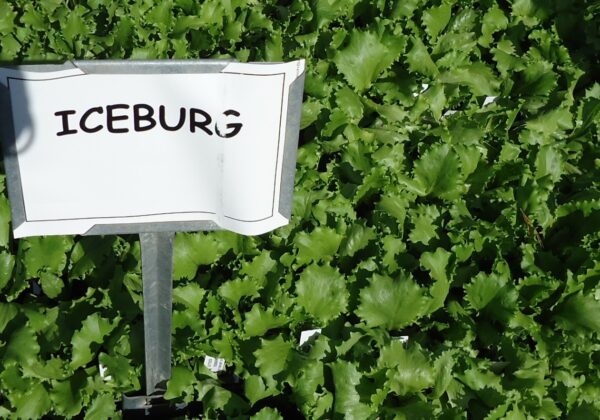
Iceberg lettuce has been pinned as the agent in the current outbreak (Photo by Tomwsulcer is marked with CC0 1.0.)
What’s The Lettuce? | Op-Ed
Diarrhea. It’s on our minds this week. How could it not be with more than 4,000 people across the country racing to toilets with confirmed cases of cyclosporiasis, a nasty parasite infection?
Where’d it come from? The Centers for Disease Control and Prevention (CDC) has linked this outbreak to iceberg lettuce grown at Taylor Farms de Mexico. But the real culprit, according to Georgia State University law Professor Timothy D. Lytton, is the declining resources of public health agencies and researchers under the Trump administration. In an essay published by The New York Times last week, Lytton writes:
“Unfortunately, just when the food industry, academia and public health agencies need to up their game, they are under extraordinary pressure. The Trump administration has disrupted Department of Agriculture funding for food safety research and cut staffing in a key division at the Centers for Disease Control and Prevention responsible for studying parasitic disease, including cyclosporiasis. Moreover, the administration’s tariff policies and the war with Iran have increased fertilizer and fuel costs for farmers, and this may reduce their industry’s capacity to fund essential research.”
Then there’s the Big Hit: The administration axed the National Advisory Committee on Microbiological Criteria for Foods in March 2025, claiming it was “unnecessary.” That’s the group of scientific experts that has made safety recommendations for the nation’s food industry and food safety programs for nearly 40 years.
Lytton doesn’t place the blame of the current cyclosporiasis crisis on Trump.
“But in its ruthless quest to reduce the size of the federal government, the administration has undercut the funding and expertise necessary to address these problems,” he writes. “Protecting American consumers from dangerous pathogens lurking in their salads and fruit bowls requires a commitment to advancing science and tracking food-borne illness. Improvements will be slow in coming. But we cannot achieve them if we don’t continue to try.”
In the meantime, Cyclospora, the bug that brings cyclosporiasis to the nation’s bowels, keeps crawling across America. So far, Washington hasn’t seen a major uptick in this gut bomb. But, given what Lytton lays out in his essay, it feels like a matter of time before it or some other health menace finds its way to the produce we serve our kids. Don’t miss the essay in The New York Times.
The Good Listen: You can have a good divorce with kids
According to the mediator, divorce coach, and co-parenting specialist Karen McNenny, divorce should be seen as a tool in family transformation, not a weapon. In fact, she’s written a book on it: “The Good Divorce: How to End Your Marriage Without Ending Your Family,” released earlier this year. If the “D” word has ever crossed your mind, you might want to check out the “What a divorce coach wishes couples knew before ending a marriage” episode on the NPR Life Kit podcast.