Rolling a ball back and forth with a very young child might seem like a simple task, but it’s building the foundational block of communication and back-and-forth conversations they’ll need when they get older. That’s just one example of playtime acting as a young child’s classroom. It’s how they learn to interact with the world and use their own skills and bodies to navigate. Thankfully, parents have so many incredible resources and dedicated spaces, like the KidsQuest Children’s Museum, to help incorporate all types of play.
A Child’s Job is to Play
During the first few years of life, the brain develops rapidly. Playing is how children interact with the world, and it’s their only job. By having enough time and freedom to play, kids build essential life skills during the critical window of brain development. Playtime builds cognitive, social, physical, emotional, and creative skills. Each game or activity works unique parts of the brain while allowing the child to form bonds and engage in joyful discovery. Parents have a critical role in child development, but it’s also fun. Providing children with the time and space to explore and play allows them to build confidence and practice their skills. Whether it’s reading books together, doing art projects, or just letting their imaginations run wild, kids learn so many life skills during playtime. Be willing participants and enjoy that bonding time.
Structured vs. Unstructured Play
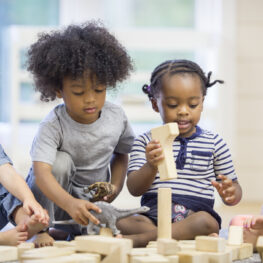
There are two main categories of playtime: structured and unstructured (free play). Structured play is organized by adults and requires the child to follow some rules or directions. This can include sports, board games, or other instructional activities. Unstructured play is led by the child and uses more of their imagination. Boredom often turns into unstructured play when kids are given space to get creative. Balancing unstructured and structured activities will allow children to spend bonding time with the adults in their lives and be exposed to new activities, while free play helps them build self-esteem and independence and develop their own ideas. During free play, kids will engage in a variety of activities. When they are playing pretend and using their imaginations, they are practicing social roles and developing empathy and emotional skills. By pulling out the Magna-Tiles, Legos, or blocks, kids are refining their fine motor skills and learning the basics of engineering. There are plenty of opportunities for physical play where children develop risk assessment and spatial awareness. And whenever other kids are involved, they get to work on cooperation, sharing, and communication.
Dedicated Spaces for Play are Difference Makers
Even with a fully stocked play space at home, there are some limitations. Kids learn by watching other kids play. Having access to purpose-built spaces designed for play and sensory development is important. That’s where playgrounds and children’s museums come into play. They are designed by experts to encourage sensory development and introduce learning opportunities based on math, science, and more. A trip to the children’s museum breaks the routine and lets kids explore a space designed for them. Exhibits are designed with different development phases in mind. Experts can incorporate more math, science, art, and technology, allowing children to experiment and learn things they may not be able to do at home. Variety helps to stimulate curiosity and build adaptability to changes in routines. These new discoveries can follow them home.
Plan a Visit to KidsQuest Children’s Museum
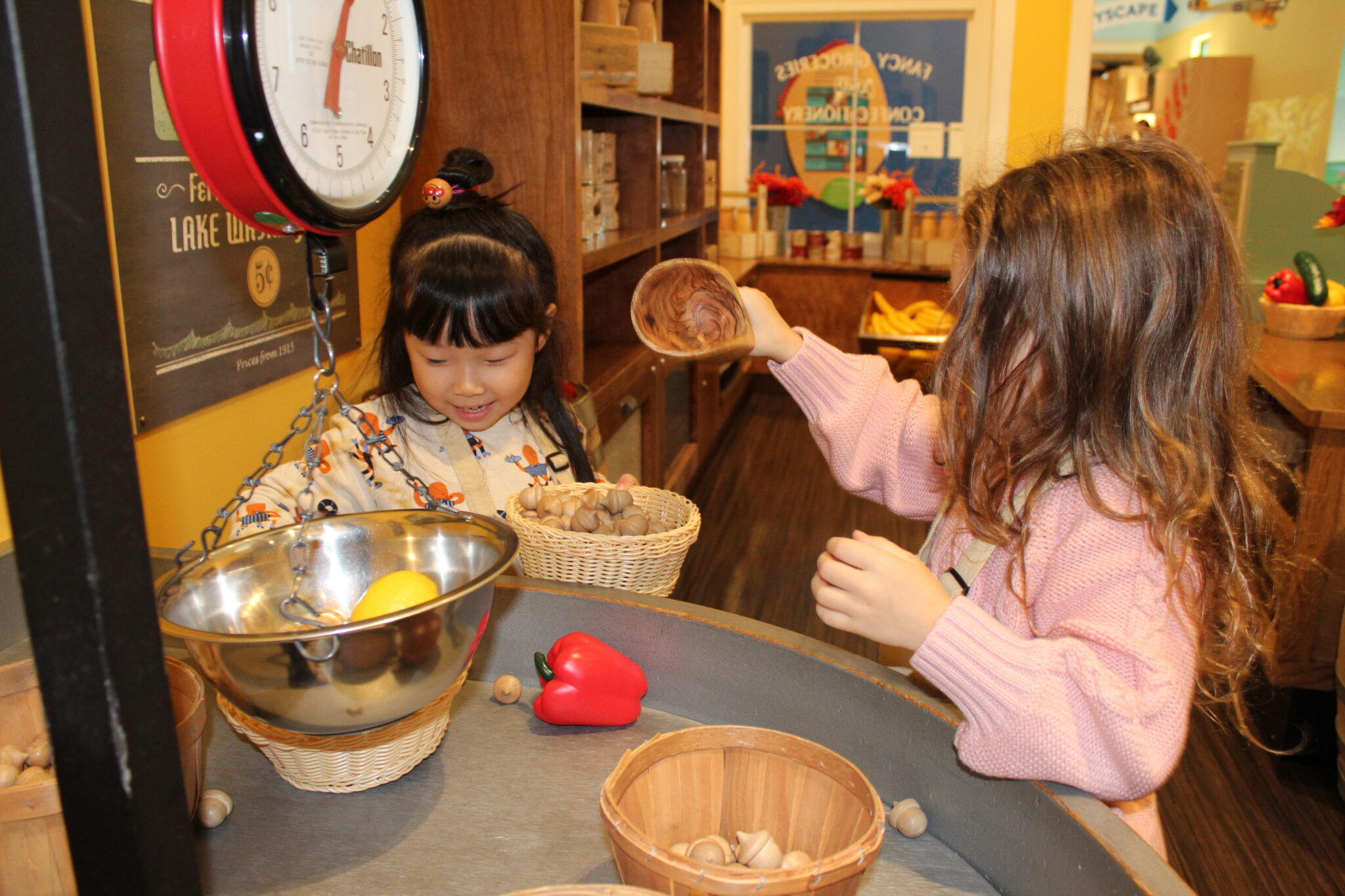
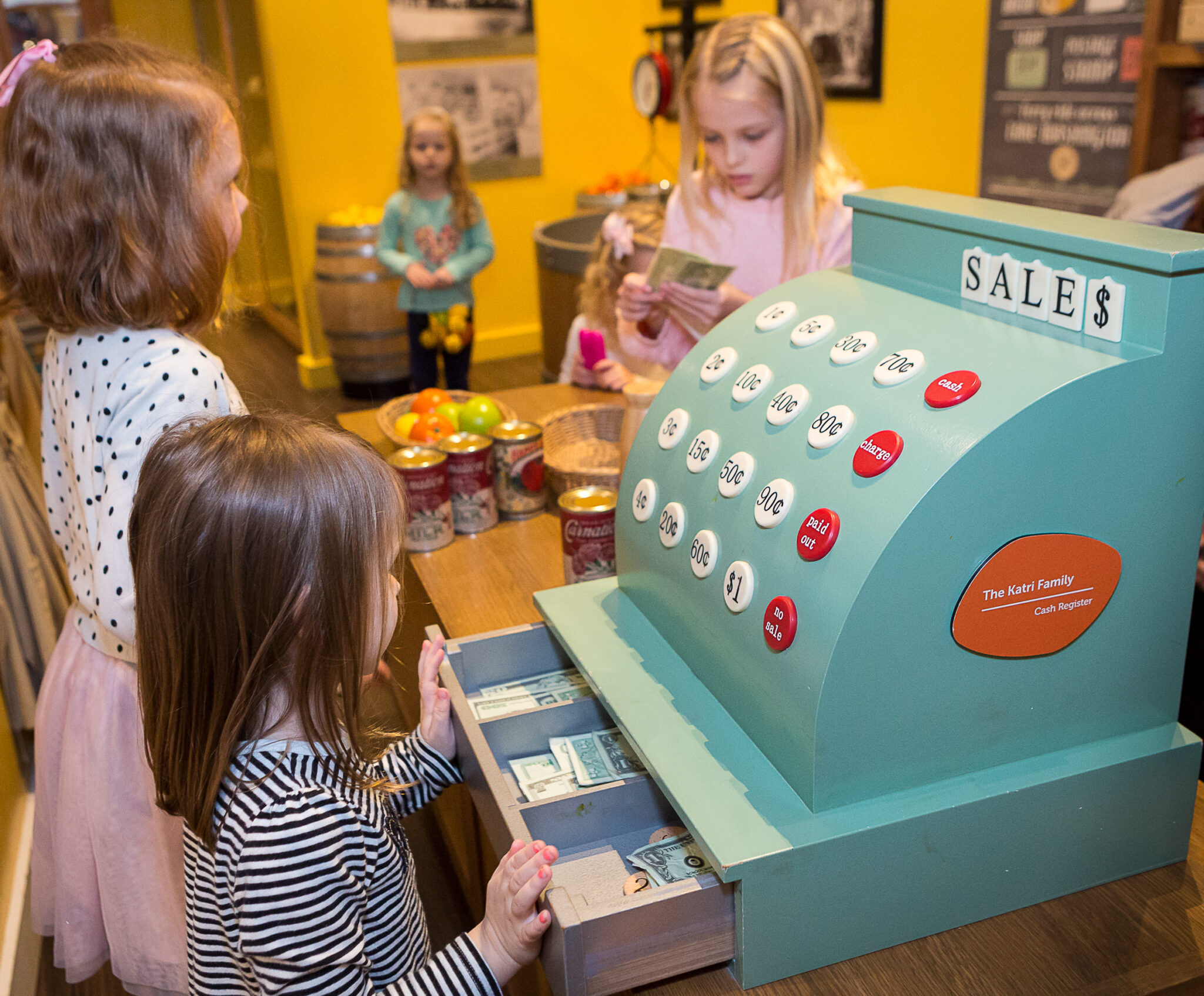
KidsQuest Children’s Museum in Bellevue was designed and built to encourage all kinds of play for children ages 0-10. With exhibits like the water gallery, the atrium climber, and the story tree, kids can experiment and get creative in a safe and educational space. McKenna Murphy is a museum educator, and her favorite space is the Mercantile. “It’s my favorite exhibit to see intergenerational play and learning. It’s so easy for caregivers to jump in as customers in their child’s grocery store and engage with them in an everyday interaction, but reversed.” In addition to the exhibits, KidsQuest has a calendar packed with events and programs for families to enjoy. McKenna also shared one of her favorite programs. “During the school year, we have a program on Saturday mornings called Play with Paint where we use paint to create in new and different ways. While we always have the classic primary-color painting out, we may also use salad spinners to mix colors or do giant paintings with brooms. It’s a great program for getting messy without worrying about cleaning up. The Play with Paint is a great introduction to KidsQuest’s educational philosophy: play is for everyone, hands-on, and can be messy.” Don’t miss out on their upcoming specialized events, like Mud Week, Bubble Week, and Water Week, to see just how they turn ordinary materials into playful experiences. Take a trip to the museum this summer and give your kids the chance to experience its unique exhibits and programs. Adults also benefit by learning to be more open-minded and free-thinking. KidsQuest promotes the joy of learning and the importance of play. Watch your kids flourish and learn as they experience all the joy of a special family outing.