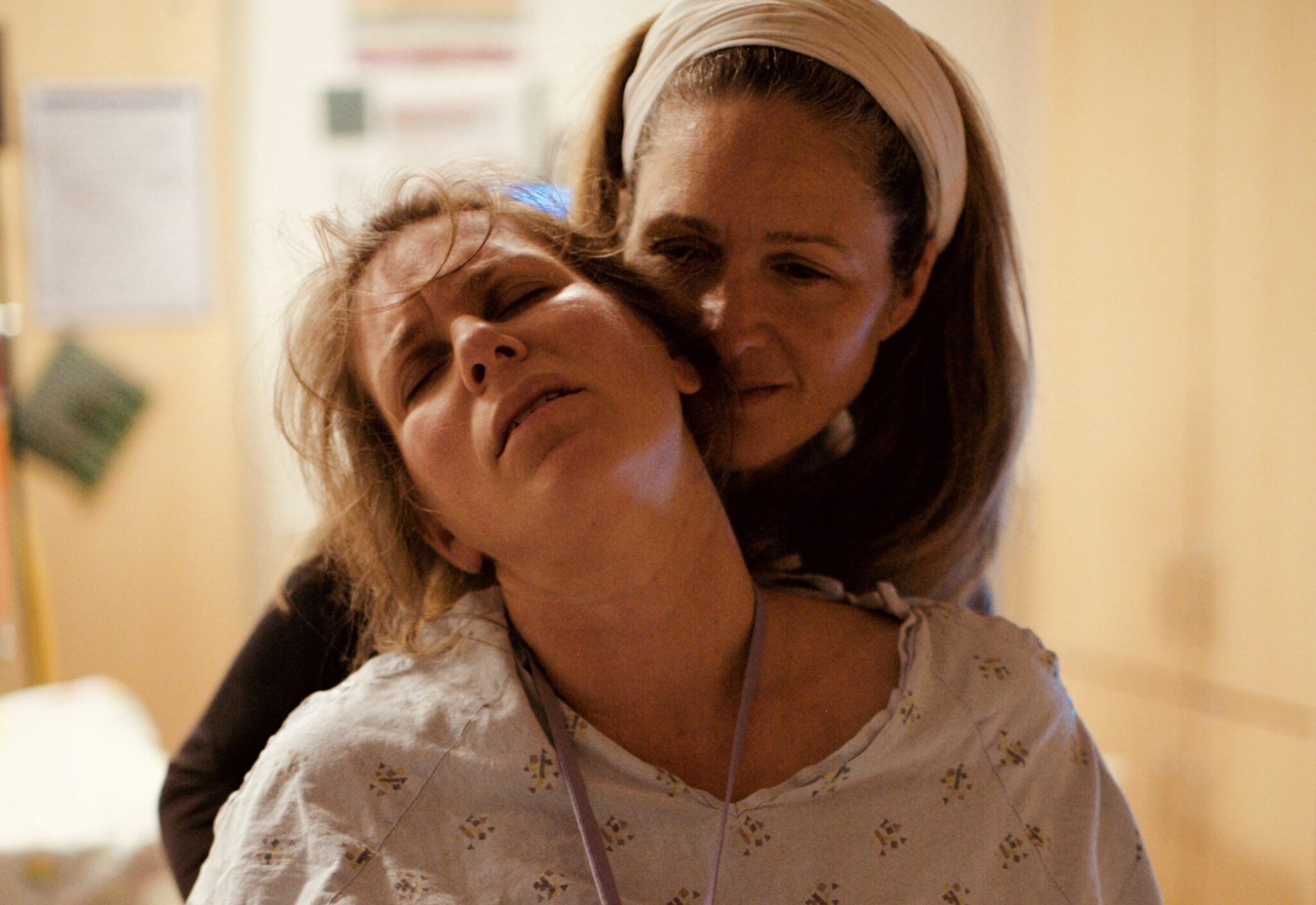
At a time when nearly one in three births in the United States ends in major surgery, we should be asking a straightforward question: why isn’t every birthing parent offered the kind of support proven to reduce those outcomes?
Doulas—trained, non-clinical professionals who provide continuous emotional, physical, and informational support—have been shown to reduce cesarean rates by as much as 39% to 53%. They help people navigate labor, manage pain without medication, and make informed decisions in real time. They don’t replace medical care. They complement it. And in doing so, they often change the trajectory of a birth.
Here in Washington, some families are finally getting access to that support. As of last year, Apple Health, the state’s Medicaid program, covers doula services, reimbursing up to about $3,500 per birth. That means many low-income families can now receive support from pregnancy through postpartum without paying out of pocket. It’s a meaningful shift—and one grounded in both evidence and equity.
But outside Medicaid, access to doulas remains largely a privilege — most families still pay out of pocket, even though doula care can cost far less than the medical interventions it helps avoid. Unless an employer offers it as a benefit—and most don’t—doula support is simply out of reach.
That’s what makes a recent move by UnitedHealthcare worth paying attention to. The company has begun offering doula coverage in its employer-sponsored plans, acknowledging what research and lived experience have long made clear: support during pregnancy and birth improves outcomes.
The company cites reductions in preterm births and caesarean deliveries, as well as improved maternal mental health and satisfaction with care. It is the first sign of a shift in maternity care toward recognizing that non-medical support can improve outcomes and reduce costs. Employers who have offered doula benefits outside traditional insurance models have known this for years. And here, for once, is an insurance decision that reflects both data and common sense.
The economics here are not complicated. According to a national analysis from the Kaiser Family Foundation, an uncomplicated vaginal hospital birth averages about $15,700. A caesarean section averages nearly $29,000. Meanwhile, a home birth with a licensed midwife averages around $4,600, and freestanding birth center deliveries fall somewhere in between. If doula support reduces even a portion of surgical births—and the evidence suggests it does—the cost savings alone should make this an easy call.
But it isn’t just about dollars. It’s about what kind of care we think people deserve at one of the most vulnerable moments of their lives.
I worked as a doula for more than 25 years. I’ve been in rooms where a birth seemed to be heading toward surgery—where exhaustion, fear, or hospital timelines pushed things in that direction—only to see it turn with something as simple as repositioning, hydration, or a few more minutes of steady support. I’ve seen laboring parents regain confidence when someone stayed with them, explained what was happening, and helped them make decisions they felt good about.
Doulas don’t have magic solutions. What they have is compassion, time, training, and focus. They aren’t rotating in and out between patients. They aren’t tied to hospital schedules or institutional pressures. They are there for one person, one family, for as long as it takes. They often spend many more hours with a pregnant woman than the health care provider, earning a family’s trust. The evidence is clear. That kind of continuity and connection matters.
Of course, not every birth goes as planned. Medical interventions, including caesarean sections, save lives. When complications arise, they are essential. But that reality doesn’t negate the fact that many interventions happen in gray areas—where better support, clearer communication, and more time could lead to different outcomes.
And yet, access to that support still depends largely on who you are and what insurance you carry.
In Washington, we now have a system where many low-income families can access evidence-based doula care through Medicaid, while middle-income families—those with employer-based insurance—often cannot. It’s an upside-down reality that makes little sense in a state that prides itself on progressive health policy. Coverage is expanding nationally, but here on the ground, it remains inconsistent.
If we truly care about maternal health, about reducing unnecessary interventions, and about giving families the best possible start, doula care shouldn’t be optional. It should be standard. It should be covered. And it should be accessible to every family, not just those who can afford to pay for it out of pocket.
It’s time for all insurers to follow the lead of Apple Health and UnitedHealthcare.
This article is an opinion piece (Op-Ed) and reflects the views of the author. We encourage thoughtful debate and welcome a range of viewpoints. Readers who wish to submit their own Op-Ed for consideration can do so by emailing [email protected].