Seattle knows how to show up for women’s sports. We pack the stands, wear the jerseys and cheer for world champions and Olympians who have made this region one of the country’s great homes for female athletes. It’s inspiring to know that girls across the Puget Sound region can see women who look like them competing, and winning, at the highest level.
But spectating isn’t the same as participating. Nationwide, girls have 1.3 million fewer sports opportunities than boys, and access is a major reason why. Affordable registration fees, reliable transportation, well-fitting gear and encouraging mentors who open the door to opportunity are critical elements of getting girls in the game.
Programs and resources exist to help meet these needs. At Girls on the Run Puget Sound, our council awarded more than $300,000 in scholarships last year — exceeding what we collect in registration fees — and successfully met the demand of a 200% increase in requests for running shoes and athletic hijabs. We know that by addressing these cost barriers, more girls participate. However, organizations that serve women and girls receive just 2% of U.S. charitable giving.
When these needs are left unmet, girls don’t just lose playing time. They lose confidence building opportunities and the long-term outcomes that come with being part of a team, which matter now more than ever. In 2021, 3 in 5 teen girls reported feeling persistently sad or hopeless, a 60% increase over the past decade.
Not every barrier to girls’ sports is cost-related. A barrier is anything that makes it harder for a girl to show up whether it’s an unnecessary form, another appointment or another eligibility check before she can step onto the field.
Each one also sends a message about who belongs. When a requirement only applies to girls, that message is hard to miss. If we want more girls playing sports, we should be removing obstacles, not adding them.
Sports benefit girls’ mental health, but research from the Women’s Sports Foundation shows the quality of the environment matters. The Foundation reported that in settings focused on effort, improvement and teamwork, just 3% of girls reported depression symptoms, compared with nearly 25% in settings where winning is the main goal and success is defined by ability compared to others. Programs that pair physical activity with life skills like confidence, conflict resolution and emotional regulation produce results that last well beyond the season.
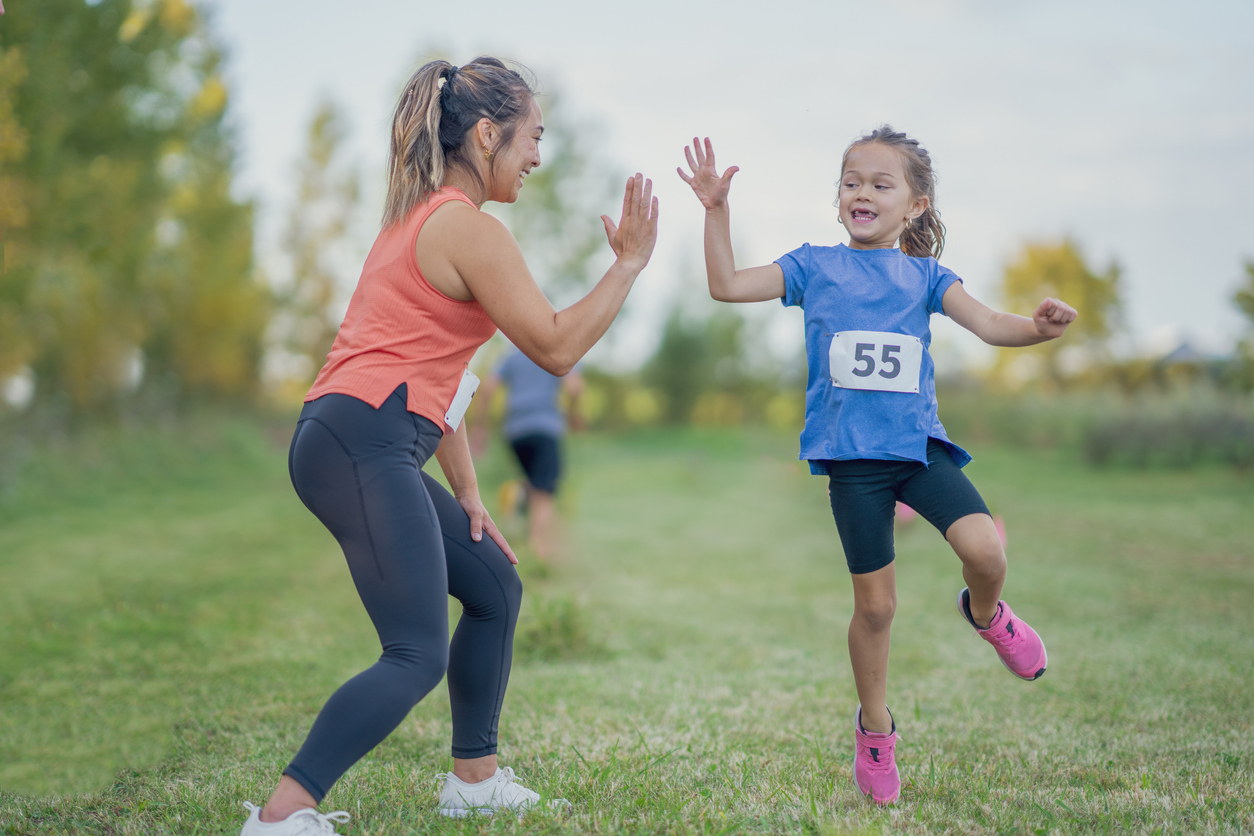
Girls on the Run is a noncompetitive program where girls build confidence and life skills through physical activity, culminating in a celebratory 5K event. A Girls on the Run study following alums from 4th grade found that, as 8th graders, 89% said the program influenced their ability to set and achieve goals, 93% credited it with helping them stand up for others and 95% said it shaped their ability to appreciate differences.
To me, each of those numbers means girls learn to welcome others when they are welcomed themselves. Programs that open the door to every girl deliver the benefit of creating places where every kid belongs.
Seattle has proven it has a culture for women’s sports. The next step is making sure every girl can walk onto any field, track, court or pitch she dreams of.
That happens when we create access to scholarships, gear and the programs that make teams possible. It means volunteering, because every new coach means another team. It means paying attention when decisions about girls’ sports come before us. It means we need to ask ourselves, “does this open the door wider, or slam it shut?”
Every girl who wants to play deserves a place on the team. It’s up to all of us to make sure she gets one.
This article is an opinion piece (Op-Ed) and reflects the views of the author. We encourage thoughtful debate and welcome a range of viewpoints. Readers who wish to submit their own Op-Ed for consideration can do so by emailing [email protected].