My love for the outdoors began on long summer days in Seattle. Whether picking raspberries, biking down to the shores of Lake Washington to swim, or staying out until dusk playing baseball on the boulevard under the giant Maple trees. Caring for the environment started by spending time in it as a child — and it has stuck with me to this day.
Whether you have a three-year-old like me, or an 18-year-old on the brink of setting out on their own, it’s never too early, or too late, to become an environmental steward. How do you start? Below is a list of actions kids and families can take to help protect and improve the planet this summer. It can be as simple as taking a neighborhood walk, or volunteering at a local stewardship event together. Use this list as your guide. Or come up with your own ways to make an impact.
Water conservation: it all starts with us
Washington is expecting a significant drought this summer. Families can help conserve water during droughts by taking short showers, turning off water when washing hands or brushing teeth, fixing leaks, and using greywater for plants. These actions not only stretch limited water supplies for essential human needs but also protect the environment by maintaining vital ecosystems, reducing energy consumption for water treatment, and reducing pollutants entering natural water bodies. To learn more, go to the stage ecology department’s webpage on water conservation.
Reduce food waste by using parts of plants you wouldn’t usually use
Bela Sanchez, Solid Ground’s Bilingual Youth Education Coordinator suggested some creative ways to reduce food waste before it goes into the compost bin.
- Save your leftover vegetable scraps in the freezer until you have enough to boil them in water to make vegetable broth (or with chicken bones for chicken broth).
- Don’t throw away your broccoli stems. Instead, peel them and slice them into rounds to be roasted or steamed.
- Blend carrot top greens with garlic, toasted nuts, parmesan and olive oil to make a carrot top pesto.
Participate in beach and park cleanups to help protect our waterways
I connected with Allison Holmes, community partnership manager at Puget Soundkeeper, who told me about the hundreds of events they put on every year to help keep the habitats in and around the Puget Sound clean. “The future of Puget Sound begins with children turning over rocks at low tide, watching salmon return, and discovering that these waters are essential and alive,” Holmes told me, and offered some ideas on how to get involved this summer.
- Join a Summer Cleanup Series Event with Puget Soundkeeper.
- Take part in a Kayak Cleanup – Kayak cleanups are open to anyone over the age of 12 and no prior kayak experience is required. Check out their calendar of events for specific details.
- Connect with Puget Soundkeeper to locate your nearest salmon stream. Host your own cleanup event there and keep our salmon streams clean and safe for fish.
Walk, bike, or use public transit this summer
Encourage walking, biking, or taking public transportation instead of car trips to reduce carbon emissions. Alex Ko, Systems delivery engagement director at Sound Transit explains. “In 2024, Sound Transit riders helped avoid emitting over 255,000 tons of greenhouse gas emissions when taking transit instead of driving,” Ko said.
King County Metro operates Trailhead Direct service that allows families to hike on nearby trails this summer while leaving the car at home. “Trailhead Direct opens the door to some of our region’s most incredible outdoor spaces while reducing congestion, lowering emissions, and making it easier for more people to experience King County’s natural beauty,” King County Executive Girmay Zahilay said in the news release. View the full schedule.
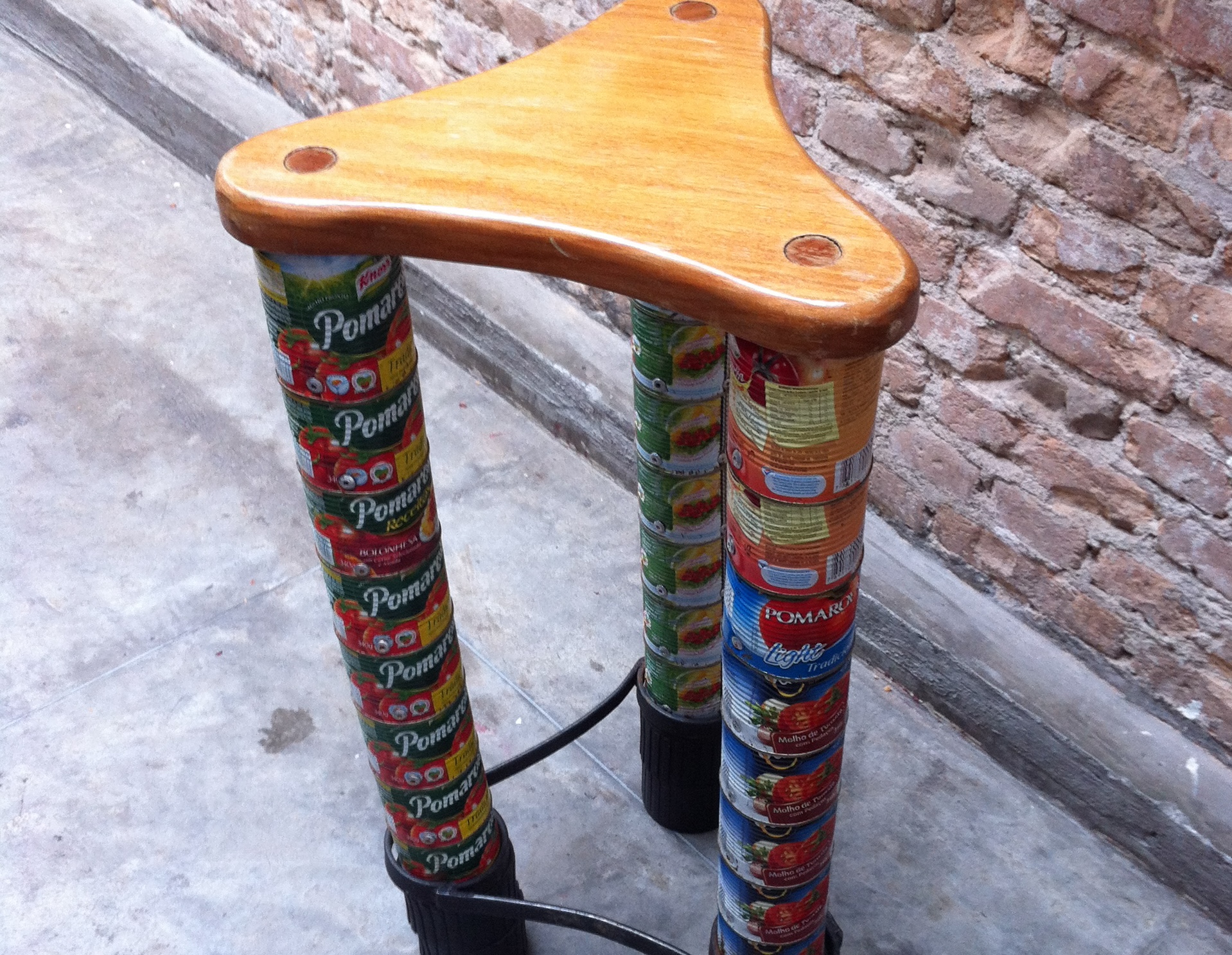
Start an Upcycle Bin
Create a space in your home to store items that either can’t be recycled or can easily be repurposed. Then encourage your children to use their imaginations, turning would-be-waste into something new.
In our home, we repurpose the occasional 2-liter bottle we find into mini greenhouses by cutting off the bottom and setting the bottles over newly transplanted vegetable starts. The national nonprofit Doing Good Together has great resources to start your own upcycle bin at home.
Help protect our urban forests and green space
There are a multitude of organizations who work to protect our region’s green spaces. I’ve volunteered in my local urban forest, The East Duwamish Greenbelt, through Green Seattle Partnership. For a few hours on a Saturday, we pulled blackberry and other invasive species, transplanted native plants, and spread mulch. I brought my one-year-old at the time and he slept in the backpack as I worked. I got to know my neighbors while working on a trail I walk often. Now, when we walk the trail, we check on the Western redcedars and Douglas firs we planted a few years ago, still going strong! See what’s happening at Green Seattle.
Take up plogging or plalking
Plogging is gaining popularity here in Seattle and around the world – it’s a pastime that is not only great exercise, but a great service to communities. Originated in Sweden, plogging is the simple act of taking a walk (plalk) or run (plog) and picking up trash along the way. Grab your trash pickers, tie trash bags to your waists, and plog the litter from your neighborhood, your local park, or both. Check out plogging.org
Don’t have outdoor space? Encourage windowsill growing
Help save on emissions from vegetable tranport by starting plants on the windowsill then transplanting to pots for the balcony or stoop. To learn this simple process, check out the Seattle nonprofit EarthGen’s activity page.
Do it with purpose
I recently had a conversation with MiaLisa Millares, parent of three and executive director of the national nonprofit Doing Good Together and was inspired by the organization’s Parent with Purpose approach.
When it comes to families taking action to help the earth, Millares reminded me to be intentional with a routine (don’t be afraid to set aside time), introduce new ideas through reading together, reflect on what you learn through conversations with your children, and then go out and take action together, as a family, and make a difference in your community.