
Lidia Tadlla has always loved kids.
“I stopped working when my kids were born because child care was so expensive, but soon I was taking care of other kids, and I loved doing it.” Her friends urged her to start a daycare of her own, so she founded Faith Child Care, a home daycare in Federal Way, in June of 2021.
“We love our families,” said Tadlla but ever since she opened, costs have risen dramatically.
“One hundred percent of our families are subsidy-paid,” said Tadlla. “Parents have a co-payment, but even the co-payment can be a struggle. We get grants to cover tuition. But lately we’re not getting any help at all.”
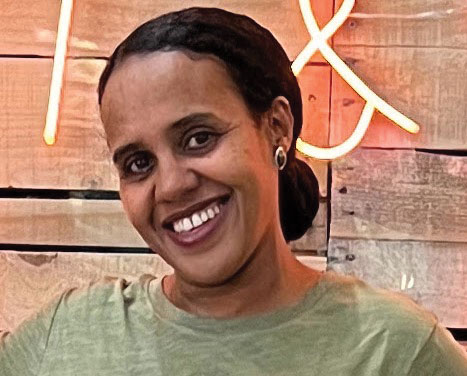
Lidia Tadlla, founder of Faith Child Care in Federal Way
Tadlla shares her unique perspective on the region’s child care crisis in a working group for nonprofit ChildCare Aware of Washington. “We are constantly writing to our lawmakers about what it takes to support the system and solve problems,” she said.
While Tadlla has found a place to raise her voice, here in Washington, as across the country, many immigrant providers say they have been left out of the conversation despite research that shows they make up about 20% of the national early childhood education and care workforce. (In big cities like Seattle, the percentage is likely higher.)
According to Genevieve Stokes, director of governmental relations at Child Care Aware Washington, “the child care crisis has its roots in a nation that [has] relied on low-income women and women of color for too long.”
Reaching the goal of universal child care, Stokes stresses, requires recognizing the critical role child care providers, especially those of color, play in child development and the American economy. It requires requesting their input, respecting their expertise and compensating them fairly.
Toward that end, there have been gains in minimum wage and domestic workers’ rights in Seattle and in Washington.
Still, immigrant providers say their voices are marginalized when it comes to industry decisions that impact their work. In response, the Seattle-based, East African-focused Voices of Tomorrow, launched its Provider Advisory Council in 2025 to raise concerns about equity, cultural relevance, and inclusion within the Seattle child care system and to advocate for funding and immigrant representation at policymaking tables.
“There are hundreds of licensed immigrant-and refugee-led child cares and the numbers are growing,” the organization posted last May. “But unless their experiences shape the conversation, early learning policies will continue to reflect a narrow, inequitable vision of care.”
Read more from our coverage of what it will take to advance universal child care in Seattle:
Universal Child Care: What can Seattle learn from New Mexico? New Mexico’s new universal, no-fee child care system has insights
The cost of child care: One block, five families, $200,000+ a year Child care for two kids can cost as much as four years of college tuition
Immigrant providers are critical to achieving universal child care Equity in child care access depends on it
What’s the DEEL? Seattle’s work toward universal child care: DEEL Director Dwane Chappelle discusses where we are and what it will take
Child care by the numbers—and where to turn for help: Seattle is a ways away from universal child care, but assistss thousands with care
In Seattle, few employers significantly subsidize child care: Outlier YMCA considers child care ‘not a perk, but a foundation for equity and opportunity
‘We need long-term funding not short-term fixes’: City and state leaders say they’ll keep working to address the state’s child care crisis