
Twenty years ago, our family lost an 8-month-old baby to liver disease. Just a month later, newly approved medications and techniques for infant liver transplant saved another infant in the same hospital. Even as we grieved our loss, we cried for joy for that child.
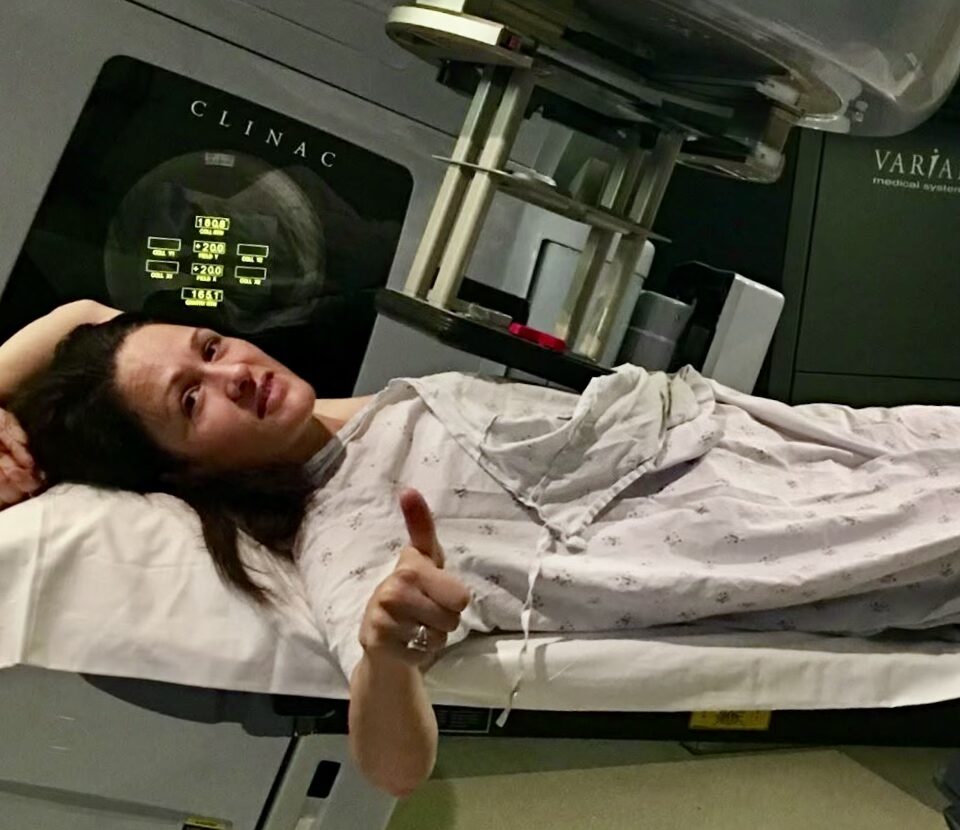
Ten years ago, as the parent of two teens, I was diagnosed with breast cancer. The cancer was removed, and I underwent targeted radiation and oral chemotherapy rather than go through a double mastectomy, which just a few years earlier would have been the treatment, along with a massive dose of chemo. I am cancer-free today.
Today, when moms and dads experience severe postpartum depression, FDA-approved medications can be the difference between thriving in parenthood and just surviving. And, as more and more mothers are giving birth later in life and meet perimenopause and menopause with teenagers still in the house, there are treatments and medications to help them cope with the myriad symptoms.
A flawed process, but one that works
These losses and gains were not just a matter of luck or unlucky timing. All of them trace back to a single starting point: a scientist writing a grant proposal and submitting it to a panel of other scientists who read it, poked holes in it, and decided whether it was worth funding in a peer-review system. That kept politics out of the lab.
Research for medications like tacrolimus used in infant liver transplant, sertraline for severe postpartum depression, and gabapentin for hot flashes were funded because scientists said so, not because a politician liked the sound of them. This system hasn’t been perfect — good research has gone unfunded simply because money was tight. But it has worked well enough to produce most of the medical advances we now take for granted.
New rule: A threat to families that goes beyond medicine
A new rule proposed by the Trump administration’s Office of Management and Budget poses the most serious threat to scientific and medical progress we’ve seen in this country. The rule would gut the review and funding system across all federal grant programs — not just science, but housing, education, NASA, defense, all of it.
The public comment period on the proposed rule change is open until July 13. Your voice carries real weight, but only if you reach out to Congress. Why speak out? Because the rule would result in dangerous changes and losses, chief among them being the turning over of funding decisions to political appointees and the pushing of scientists aside.
That means a poorly designed study could get money because it fits the administration’s agenda, while solid, important evidence-based work gets passed over because it doesn’t.
Grants could be canceled mid-project, with no warning and no legal obligation to finish what was started. Picture a study of a new medication that could increase the number of pediatric liver transplant survivors from organ rejection. One that’s been running for three years on a five-year grant. Imagine researchers mid-experiment, graduate students mid-career, patients mid-trial. Under the proposed rule, the government could pull the plug without warning.
If that had happened twenty years ago, the little boy who was saved a month after our family’s tragedy would not have celebrated his 24th birthday this year. If this rule had been in place 30, 20, 15 years ago, I might not be here for my kid on the autism spectrum or the grandkids I hope to have in the near future.
All the work already done, all the money already spent, would produce nothing. The team would scatter. The questions would go unanswered.
Putting a gag in their mouths
Under the proposed rule, researchers would need government pre-approval to publish findings, attend conferences, or engage publicly on policy. You can’t put a tighter muzzle on the scientific community. The scientist’s job is to translate lab results into things that actually reach your family doctor, obstetrician, or pediatrician’s office. Science that can’t be shared is science that can’t help anyone.
The damage from this kind of disruption doesn’t just undo itself when the next administration comes in. It impacts our local institutions caring for kids and families. It impacts Seattle Children’s Hospital, Tacoma’s MultiCare Mary Bridge Children’s Hospital, and a wide range of other local organizations whose research aims to improve our lives. This decision will have ramifications for years as researchers leave their careers or leave the country. The scientists who would have spent the next decade answering hard questions about Alzheimer’s or childhood cancer, or rare diseases, will make a perfectly rational decision: don’t start anything that depends on stable funding.
The most important science — the kind that takes twenty years to reach a patient — is exactly the science that dies first. We have until July 13 to tell the government to keep politicians out of research funding decisions. Act now. For your family. For all our families.
TAKE ACTION: Go to the official docket for this proposed rule and click on the blue “comment“ at the top left of your screen that says. Click here for suggestions on what to write if you are against this rule. Next, contact your elected members of Congress.
This article is an opinion piece (Op-Ed) and reflects the views of the author. We encourage thoughtful debate and welcome a range of viewpoints. Readers who wish to submit their own Op-Ed for consideration can do so by emailing [email protected].


