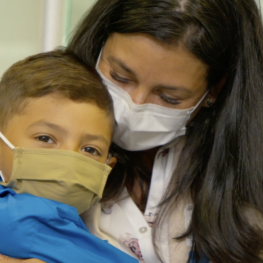
With more infants protected, emergency departments and pediatric intensive care units feel a reduced burden during cold and flu season.
Respiratory Syncytial Virus (RSV) represents a significant health threat to infants and young children and is one of the leading causes of severe lower respiratory tract infections globally. With symptoms ranging from mild cold-like manifestations to severe bronchiolitis and pneumonia, RSV can lead to serious complications, particularly in young infants and children with underlying health conditions. RSV hospitalizes approximately 58,000 children under five years of age in the United States annually.
Frank Bell, M.D., a pediatric infectious disease specialist with Providence Swedish Pediatric Specialty Care in Seattle, has seen firsthand how the introduction of RSV vaccines for infants and pregnant mothers marked a significant advance in pediatric healthcare and has mitigated the burden of RSV-related illnesses and complications on health care teams – more importantly, young patients and their parents.
RSV vaccines and their introduction
The winter of 2022-2023 witnessed a ‘tripledemic’ with the convergence of COVID-19, RSV, and influenza overwhelming healthcare facilities, physicians and care teams. The surge placed unprecedented strain on pediatric admissions, leading to extended emergency care wait times and severe bed shortages, with some systems forced to set up overflow tents on hospital grounds.
As recently as five years ago, a monoclonal antibody RSV vaccine for infants would have been unimaginable. Today, there are two long-acting monoclonal antibodies available: nirsevimab, for infants aged 0–7 months and for high-risk children aged 8–19 months developed by AstraZeneca, and Sanofi, which became available in July 2023; and Merck’s clesrovimab for infants aged 0–7 months, which was authorized by the FDA in June 2025 for use in infants born during or entering their first RSV season. The maternal RSV vaccine, Pfizer’s Abrysvo, received FDA approval in August 2023.
Evidence suggests that all three options provide protection for the bulk of RSV season, but immunization timing is critical: infants born between April and September should receive nirsevimab or clesrovimab immunizations in October or November; infants born during RSV season – October through March – should receive their vaccination as soon after birth as possible; pregnant people should receive their vaccination between 32-36 weeks of pregnancy during the months of September to January.
Vaccination success and statistics
Since the introduction of RSV vaccines in late 2023, vaccination rates have seen encouraging growth, with early data indicating a promising uptake among pregnant women and infants. According to recent CDC reports, vaccination coverage for eligible infants has reached approximately 60%, with expectations for further increases as awareness and accessibility improve. With increasing coverage there is evidence of a real-world effect in reducing the rates of hospital admissions for young infants with RSV bronchiolitis.
Economic benefits may come with increased vaccination rates, but there are challenges
The economic impact of widespread RSV vaccination is likely to prove beneficial. Though the vaccines are expensive, they may pay for themselves by keeping children out of the hospital, where they may need expensive care. Some estimates of RSV treatment costs put the figure at billions of dollars annually. Preventive pediatric and maternal RSV vaccination can reduce these costs substantially and may extend to cost-benefits that include workforce productivity and reducing the economic strain on families affected by RSV-related hospitalizations.
Despite the successes, challenges remain in increasing vaccination rates, including issues related to vaccine distribution in rural and underserved areas, along with vaccine hesitancy and misinformation. Efforts to increase public education about the safety and efficacy of RSV vaccines are crucial to overcoming these hurdles. Additionally, integrating RSV vaccination into routine prenatal and postnatal care can streamline the process and improve coverage.