Erin Summa loves to have a good time and knows kids love to have a good time. She is not the Fun Police. But as a health promotion program manager with the Center for Childhood Safety at Mary Bridge Children’s, she knows the ways those fun times can turn tragic, often shockingly fast. It is her job – and her passion – to help people stay safe. Unintentional injury is the leading cause of death for kids beginning at 1 month of age. And in the summer, there’s more daylight, less structure, perhaps less supervision – and all sorts of adventures to be had.
With some careful habits, knowledge and use of safety devices, your family can have a safe and fun summer.
“I want kids and families to go out and have fun and feel joy, and go home safely at the end of the day,” Summa says. Here are some of her tips for doing that in all seasons.
Summer safety tips for kids
Window falls
Risk factors: “Kids are curious by nature and top-heavy by design, so they fall headfirst and they fall hard,” often resulting in serious injury, Summa says. A screen can provide a false sense of security: It will not prevent a fall. “Screens keep bugs out; they do not keep kids in.”
What to do: If a kid can get to a window (including by climbing on furniture), close it. What if it’s hot outside? Still, close it. Or, install window stop devices that are widely available, allowing a window to open only 4 inches. Also, teach your kids not to lean out of windows (but then supervise them anyway).
You might not have known: A child can fall from a window that’s open more than 4 inches.
Water safety
Risk factors: Drowning is the No. 1 cause of fatal injury in kids ages 1 to 4. It happens very quickly and surprisingly quietly. Swimming is also an activity where kids, particularly older kids, might tend to overestimate their ability or try to show off. A fun, “Hey, watch this!” moment can turn tragic.
What to do: Never allow a young child near the water unsupervised, Summa says, and this means “touch supervision,” i.e., immediate proximity. This does not mean sitting in a chair nearby, chatting, checking email, etc. Also: Put your kids in swimming lessons. Have them learn early and relearn every year. Have them wear life jackets near open water and while in boats or on paddleboards and the like. Make sure life jackets are the right size and worn properly.
You might not have known: Safety experts do not want you to use those little arm floaties sometimes known as “water wings.” Also: Life jackets are not for pools. This goes back to “false sense of security,” giving kids the (unintentional) sense that their body will always float in water.
Head protection
Risk factors: Bike falls can cause serious injuries, including head injuries.
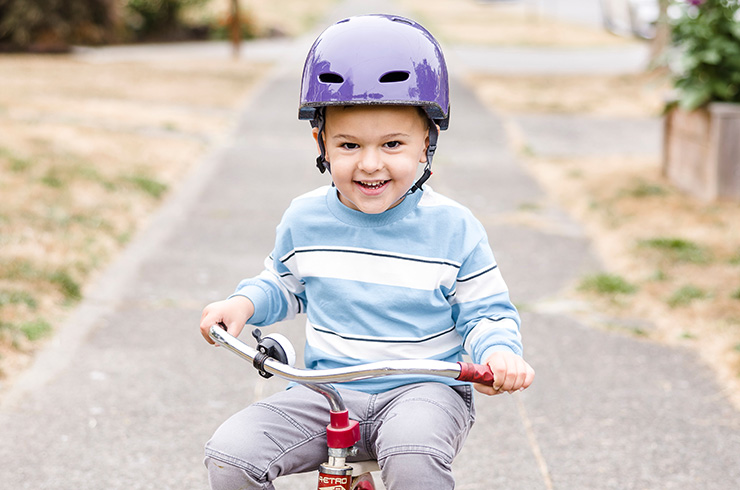
What to do: Wear a helmet. Summa suggests starting the first time your toddler rides anything with wheels. Build the habit early. Some kids might be reluctant to wear a helmet because it’s “not cool” or perhaps not comfortable, but consider this from Summa: “Having a functioning brain will serve kids well in life, so they should protect that brain.”
The right fit: Use the “eyes, ears, mouth” guide: The helmet should fit snugly and straight, just a couple inches above the eyes. It should buckle under one ear, and when the wearer opens their mouth, they should get a little resistance from the chin strap. Also, try this: Shake your head like a wet dog. The helmet shouldn’t move. Summa particularly likes helmets that have a dial to get a precise fit.
You might not have known: Do not let your child wear a baseball cap under their bike helmet. If they fall forward, the hat brim will hit the ground first and could pop the helmet right off.
More to think about when it comes to summer safety tips for kids
Make sure you have the right car seats or boosters and that they’re installed and being used correctly. Know the law: https://www.wacarseats.com. Know where to get expert help: https://www.wacarseats.com/find-a-car-seat-inspection-station-in-washington.
Parents: Model safe behavior by wearing your own seatbelt and bike helmet.
If you’re traveling with a baby, think about how they’ll sleep safely, which often means bringing along a portable crib.
All these safety practices you’re using and precautions you’re taking? Make sure that anyone else supervising your child also knows and uses them.
And a word on personal fireworks, July 4 or any time: “Please don’t,” says Summa.
More information/help
Mary Bridge Children’s has a wealth of safety information on its website. (Go to marybridge.org and search for keyword “safety.”) And their experts will answer your questions via email at [email protected]