Preventable drowning deaths have been rising over the past several years. In 2025, there were 25 drowning deaths, part of a steady increase since 2018. More than half happened in open-water rivers and lakes where conditions can change quickly and hazards are often hidden. Many of these tragedies were preventable with life jackets, supervision, and safer choices around water.
How flooding changed river conditions
December 2025 floods dramatically reshaped many Washington rivers. Channels shifted, debris moved, and new hazards formed. A river you visited last summer may now have:
- Strong, unpredictable currents
- Submerged root balls and logjams
- New rocks, drop‑offs, or strainers
- Faster, colder water
Because these hazards are underwater, they’re often invisible from shore. That’s why life jackets are essential, even for experienced swimmers and paddlers.
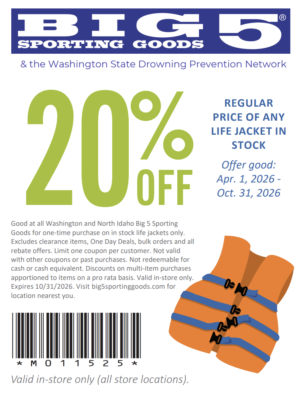
Coupon for Seattle Children's Hospital campaign.
Resources for Families
- King County Water Safety: Tips, lifeguarded beach schedules, swim lessons, and life‑jacket stations.
- Washington State Parks Life Jacket Loaner Map: Borrow a free life jacket.
- Seattle Children’s Drowning Prevention Network: 20% off life jackets at Big 5.
- Visit seattlechildrens.org/dp for more water safety information.
Why cold water is so dangerous
Even on hot days, King County’s rivers and lakes remain dangerously cold due to mountain snowmelt. Water that looks calm or familiar can still cause:
- Cold‑water shock, which can trigger gasping, panic, and difficulty breathing
- Muscle failure within seconds or minutes, even for good swimmers
- Sudden exhaustion, making self‑rescue difficult
Jumping into cold water off a dock, boat, or riverbank is one of the highest‑risk situations. The body simply can’t adjust fast enough.
Essential water safety tips for summer 2026
1. Wear a life jacket: every time!
Life jackets save lives. Choose a U.S. Coast Guard–approved model and wear it when swimming, boating, paddling, or playing near open water. Children 12 and under are required by law to wear a life jacket on vessels under 19 feet.
2. Supervise children closely
Drowning is fast and silent. Keep kids within arm’s reach (“touch supervision”) and designate a Water Watcher: an adult who stays focused on supervision for 20 minutes at a time, without distractions or phones. Download a free Water Watcher Card.
3. Learn to swim and practice self‑rescue
Everyone should know how to float, tread water, and return to shore. Free and low‑cost lessons are available through Swim Seattle, No More Under, and local YMCAs.
4. Avoid alcohol, cannabis, and drugs around water
Substances impair judgment, balance, and reaction time. They are a factor in many drowning deaths each year.
5. Choose safer places to swim
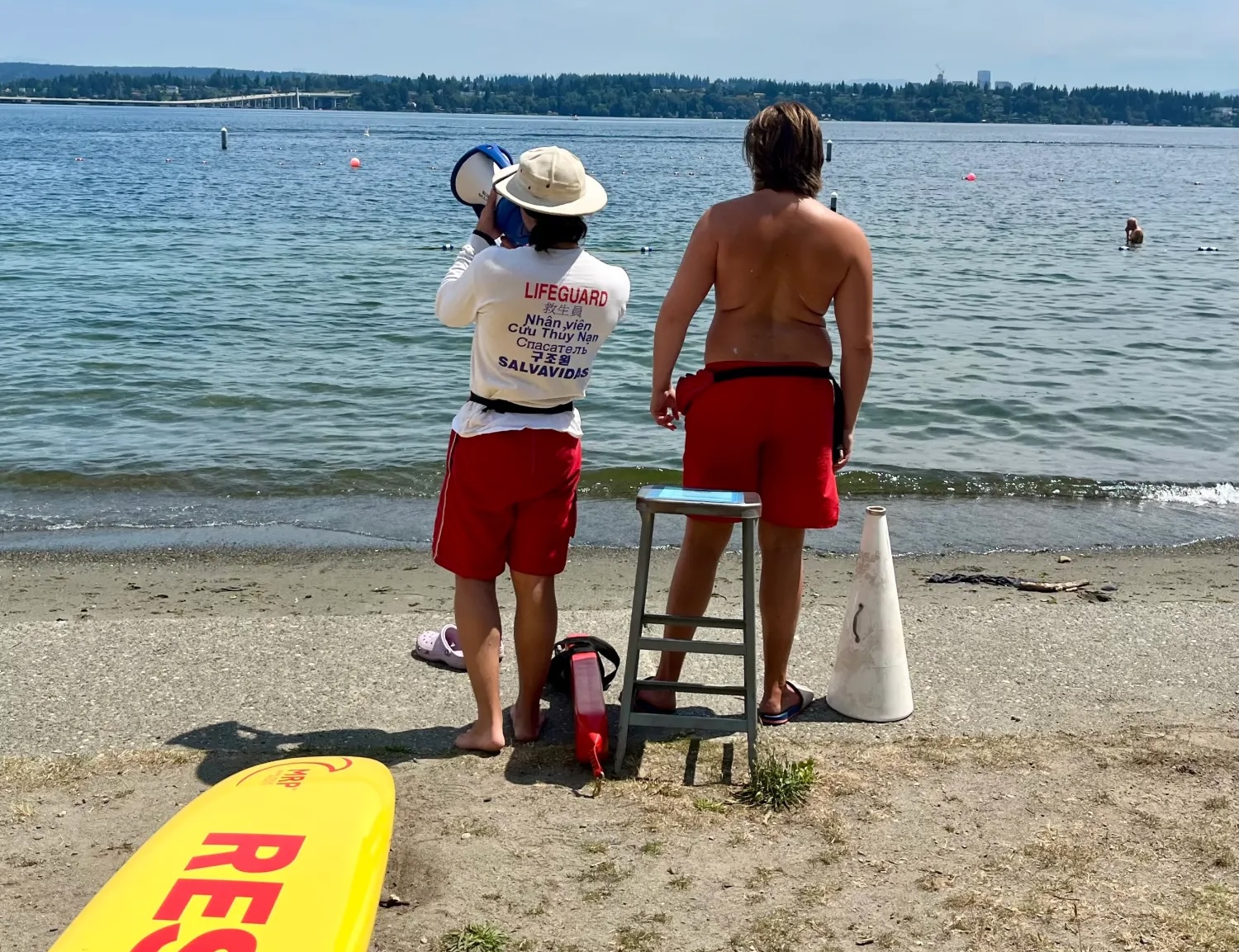
Public beaches with lifeguards are the safest option. If you’re heading to a river or lake without lifeguards, wear a life jacket and stay close to shore.
6. Never swim or boat alone
Always go with a buddy and tell someone where you’re going and when you plan to return.
7. Respect safety signs and closures
Pay attention to posted warnings, water‑quality advisories, and beach closures. Conditions can change quickly.
8. Bring the right gear
Carry a dry bag with warm clothes, snacks, and a phone. If boating, always bring a paddle for emergencies and remember the rescue rule: Reach, Throw, Don’t Go.
9. Learn hands‑only CPR
Quick action saves lives. Visit kingcounty.gov/cpr for training information.
The bottom line
Drowning is preventable. With life jackets, supervision, and awareness of cold‑water risks, families can enjoy a safe and memorable summer across King County’s beautiful waterways. A Safer Summer Starts With Simple Choices.
This article is reposted with permission from Public Health Insider, the official blog of Public Health — Seattle & King County.