Being active and joining in sports can do our kids so much good: fresh air, exercise, and teamwork. But we can overdo it, too. There is pressure from peers, parents, and coaches to play every sport, attend every practice, or push beyond their comfort level. Youth sports burnout and injury prevention have become real concerns for many families. The good news is that there are things parents (and coaches) can do to help children get out there, be active, and find the benefits without the burnout, potential injury, or stress.
I’m a big fan of the benefits of team sports. However, the pressure of succeeding or rushing around to attend every game and practice can take the fun and sense of achievement out of it. In its worst forms, the pressure around performance and sports can lead to low self-esteem, anxiety, and children quitting sports altogether. Parents can help their child find a balance by encouraging physical activity in a way that works best for their child and their family.
Help protect kids from sports injuries
The best thing we can do is protect our kids from getting hurt in the first place. The highest risk is when a child starts a new sport, so make sure kids understand the rules of the sport, have good protective gear and equipment, warm up adequately, and take breaks. You can also teach them about:
- Paying attention to pain and fatigue. Teach your child that pain and tiredness are the body’s way of saying “slow down, recover, and heal.” Sore muscles are common after starting a new activity, but pain can also be a sign of an injury.
- Being willing to sit one out. Kids want to stay in the game, and coaches sometimes rely on the child’s own assessment of a minor injury to decide if they can continue. Talk to your child about the long-term risks of injury and teach them that admitting they are injured or tired and sitting one game out can mean they can play the whole rest of the season.
- Varying their activity. Encourage your child to participate in a variety of sports instead of focusing on just one. This cuts down on repetitive actions and overtraining. Help them understand that repetitive activities like pitching or a golf swing can lead to injury and that adults may need to set limits on their participation in a particular activity in order to keep them healthy.

Avoid burnout and keep sports fun
Sports and activity are clearly part of good physical and mental health. But the American Academy of Pediatrics found that 70% of kids drop out of organized youth sports by age 13, and nearly 1 in 10 youth athletes experience burnout. When your child no longer feels a sense of fun and accomplishment, they are less likely to stay active. Help your child find ways to stay active that fit into your life, school commitments, social time, and sleep schedules by:
- Letting your child choose their sports or activities. Children are more likely to develop a lifelong habit of physical activity if they enjoy it! Let them choose their sport or activity, and let them change sports or activities if they want to.
- Finding more flexible schedules. If it doesn’t feel like there’s time for school sports or competitive sports schedules are too hard to fit in, your child could ride a bike with friends or take a hike. There are also organized activities with less demanding schedules, like drop-in pickleball or basketball games at the YMCA, martial arts classes, or my family’s favorite: ultimate frisbee.
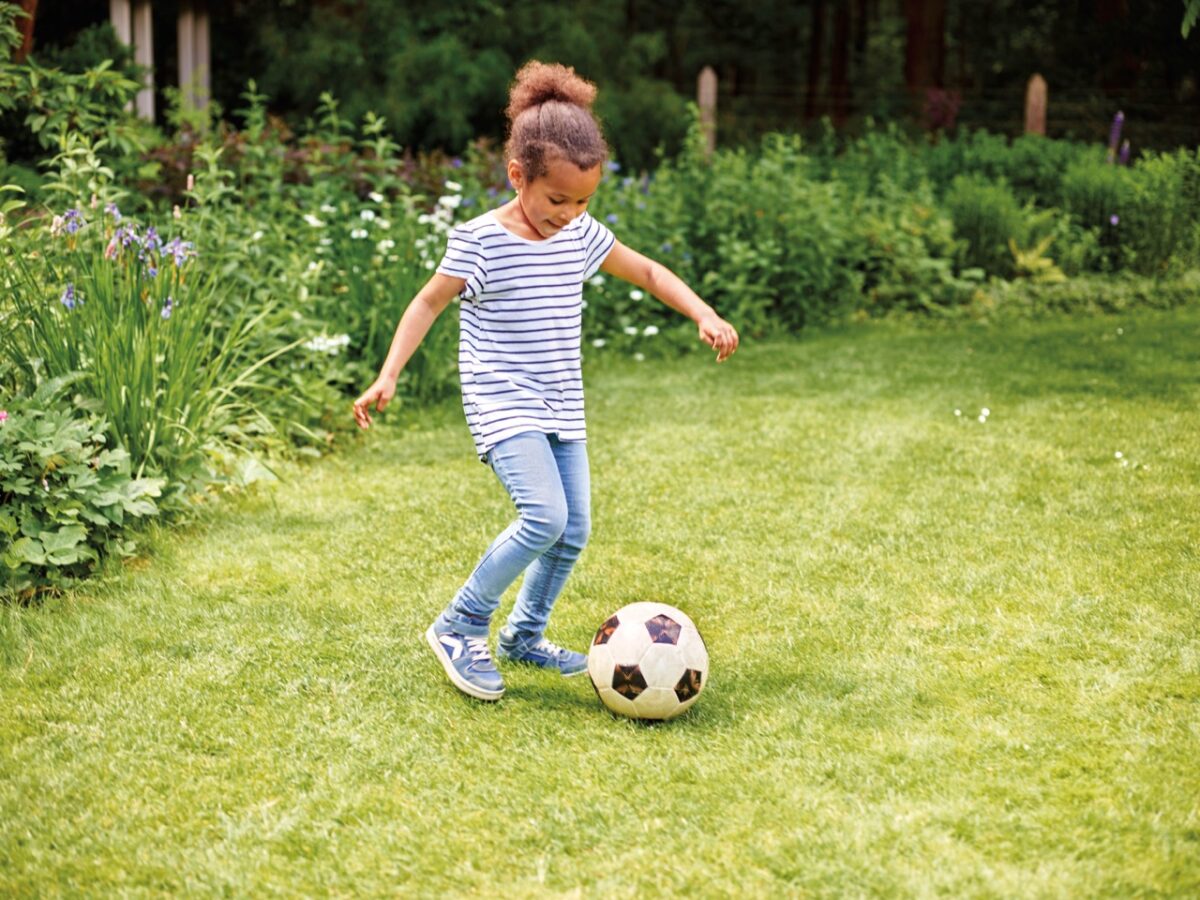
- Doing something fun: Jump rope, dance, or toss a ball with your child. Running amok in the backyard can be as good a physical activity as team soccer. What the activity is doesn’t matter as much as your child enjoying it, doing it regularly, and wanting to do it again.
- Choosing appropriate activities. This goes for both burnout and injury. Participating in sports that match a child’s development helps keep them in the game. A child younger than 10 can’t do as much aerobic activity as a teen can, and children make gains in muscle strength and coordination in stages, so help them choose accordingly.
Being active lowers the risk for serious health problems, keeps bones and joints strong, and helps children focus in school. But I don’t know many 10-year-olds who care much about that! They want to do sports or activities that make friends, give them a sense of accomplishment, and make them feel great. Focusing on those benefits can help them stay healthy, stay motivated, and stay in the game.