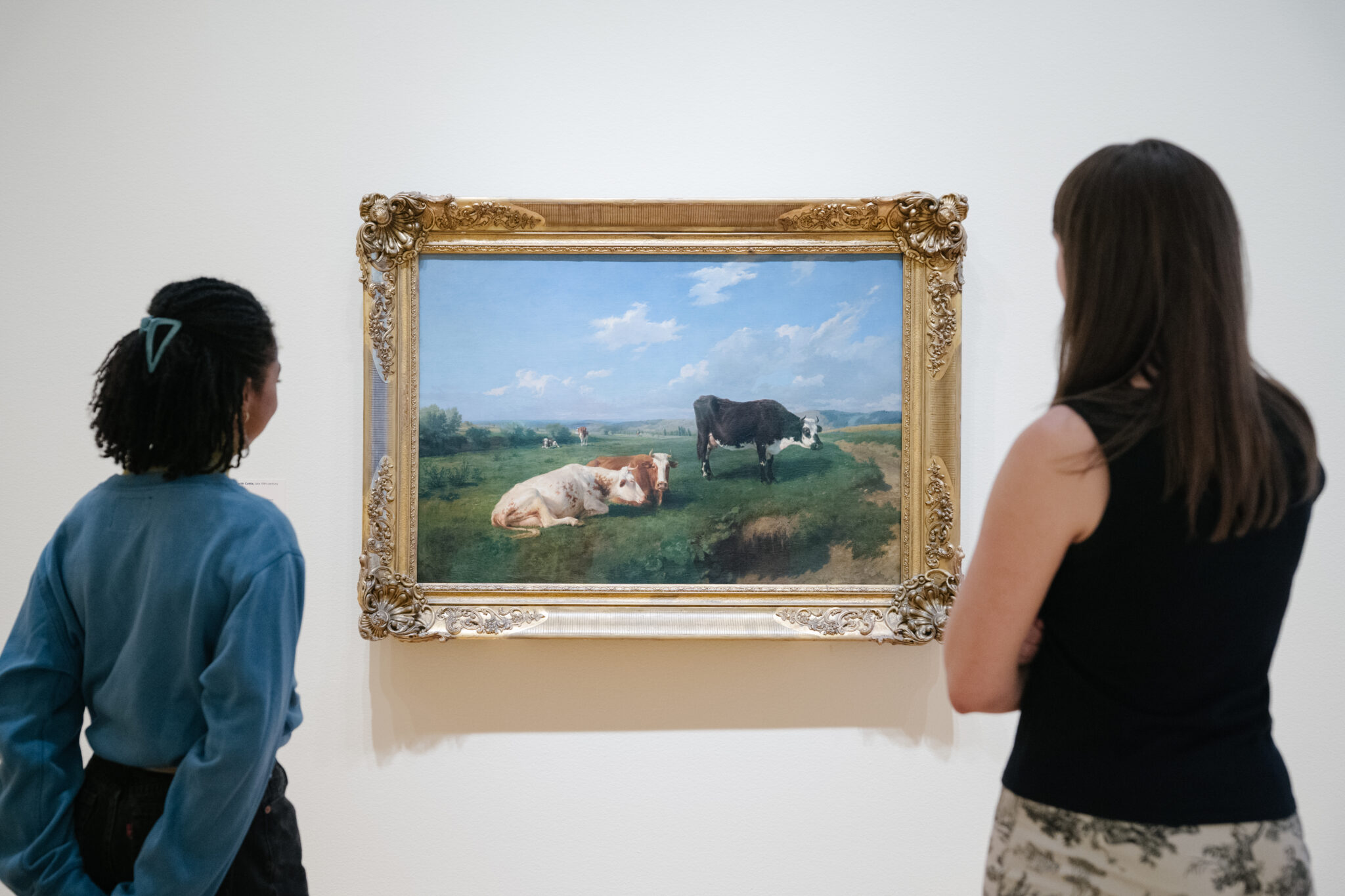
All too often parents hesitate to embark on a trip to the downtown Seattle Art Museum (SAM) with children. A high rise that looks like a bank, parking, and a ticket fee may seem like barriers too big to bother. The current exhibition Farm to Table is a terrific reason to make haste and an effort to explore this amazing show.
The show explores through painting and sculpture the process of growing, gathering, selling, preparing, and finally eating food. The art is not difficult to understand, but youngsters will have a splendid time looking closely at these vibrant and beautiful French pieces. I propose some ideas to make this visit to the museum not just interesting, but also fun. Think of yourself as a docent and not a parent. This is an opportunity to explore, rather than teach. Start by learning to use three questions:
- What’s going on here?
- What makes you say that?
- What more do you see?
Once you are comfortable with these questions, you can probe deeper, such as: what do you wonder about this painting?
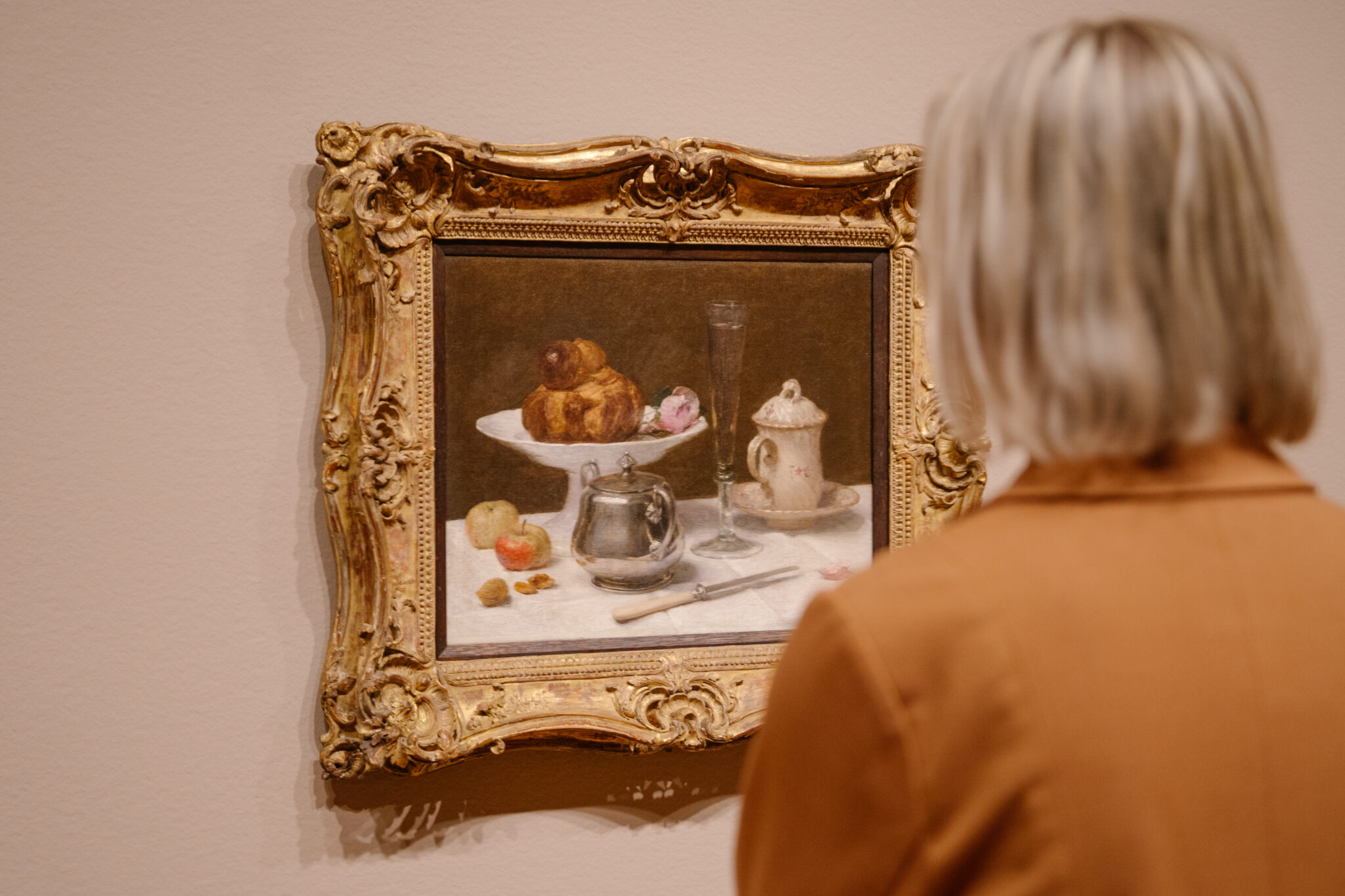
“Still Life with Brioche” c. 1890, Victoria Dubourg Fantin-Latour. (Image: Chloe Collyer)
Remember that any question that seeks a correct answer will end the exploration and the conversation. At some point, ask your youngster to be your docent. Have them use those questions in front of a new painting and celebrate how well it goes. If you are with a very little one, use a game like:
- Treasure hunt. Seek and say.
- How many (xxx) can you find? For example, there is a wonderful landscape in the first room of what could be a portrait of three happy cows. If you look closer in the background, you will find a few more.
The exhibit begins in a room that is all about food, as it begins on the farm, in the garden, or sea. As a rule of thumb, feel free to look at everything, but don’t concentrate on more than three to five works. You may be surprised by which painting grabs a child’s attention.
Starting in the farm room, consider pizza. No, there are no pictures of pizza, but the sources of pizza are in this gallery. I’ve seen kids look much longer and intensely during this quest. Pizza is crust, sauce, cheese, and maybe meat.
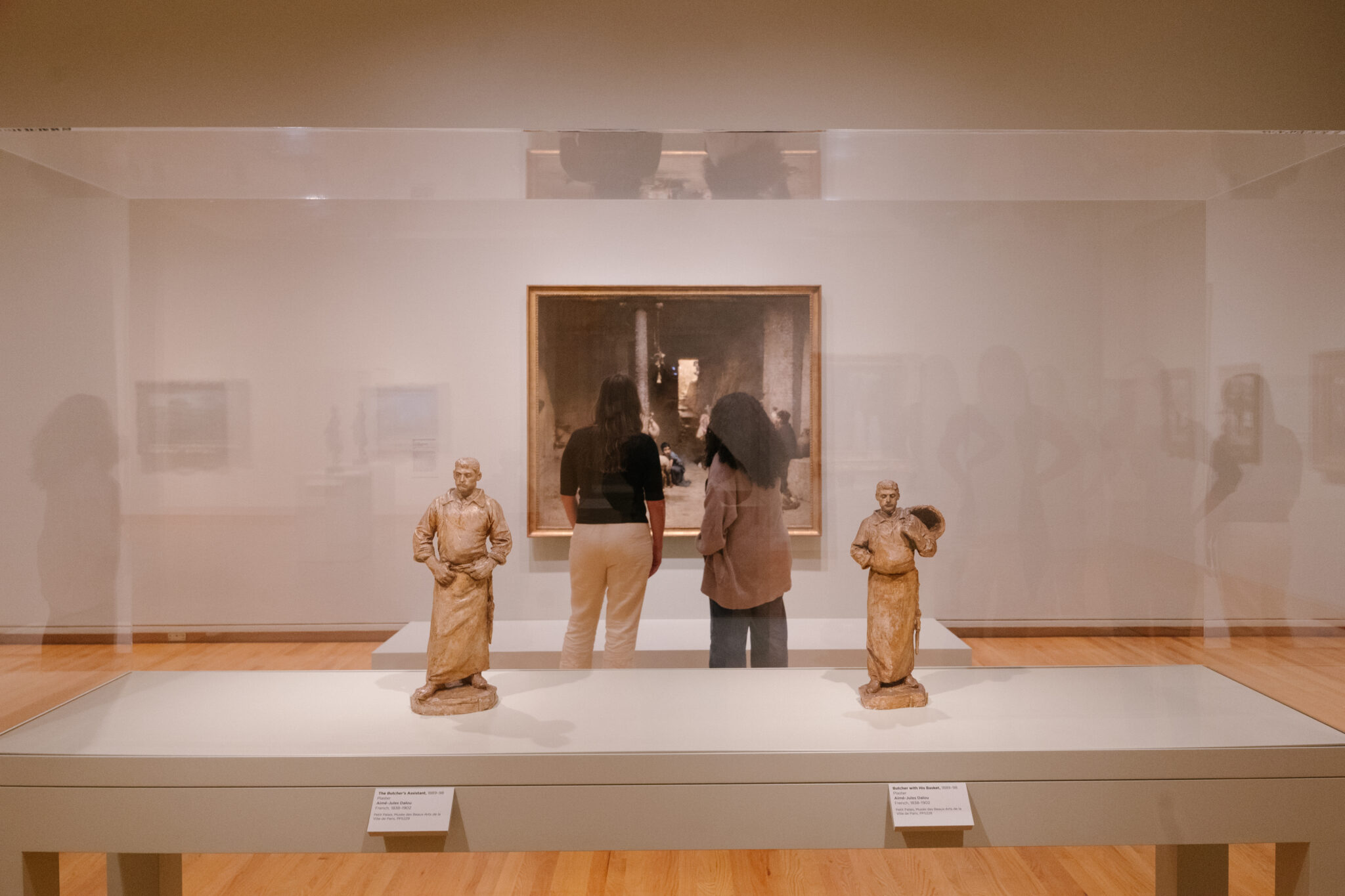
Tell kids to “find pizza in this room” — they’ll love the challenge! (Image: Chloe Collyer)
A painting like “The Gleaners” is a chance to show where flour comes from. What about cheese? Kids may be surprised when you show them the lovely cows. Don’t forget the vegetables and sausage in the market scene.
From the farm room, you enter a gallery about fixing and then eating food. There are market scenes not very different from Seattle’s Pike Place Market. Lively, crowded restaurants show both the well-dressed patrons and the uniformed people who work there.
Three paintings featuring children are powerful and worth taking the time to examine closely. They are close to each other and show how some children may have had to learn about food.
- A group of boys takes a break from the job. It’s probably a butcher shop, and work is not easy. They grab a bite and deal the cards. How do you think life is for these boys? Would there be time for other things, and what would they be? Who do you think the leader is? Why do you say that? How is life
now different for children, or sometimes is it the same? - The girl eating porridge didn’t know you were present till she heard you come in. What do you think she is like? How does she feel about her bowl of oatmeal? Notice her feet. Do you think she is the spoiled daughter or a servant? Why? What more do you notice in this painting.
- “The Famine” shows us a winter day where mothers wait in line for food. A guard stands at the door to keep order. The moms hold little ones. This is not unlike a food bank that might run out before everyone gets bread. The faces are blurry. What do you suppose that is? What time of year do you think this is? What time of day? What do you think that?
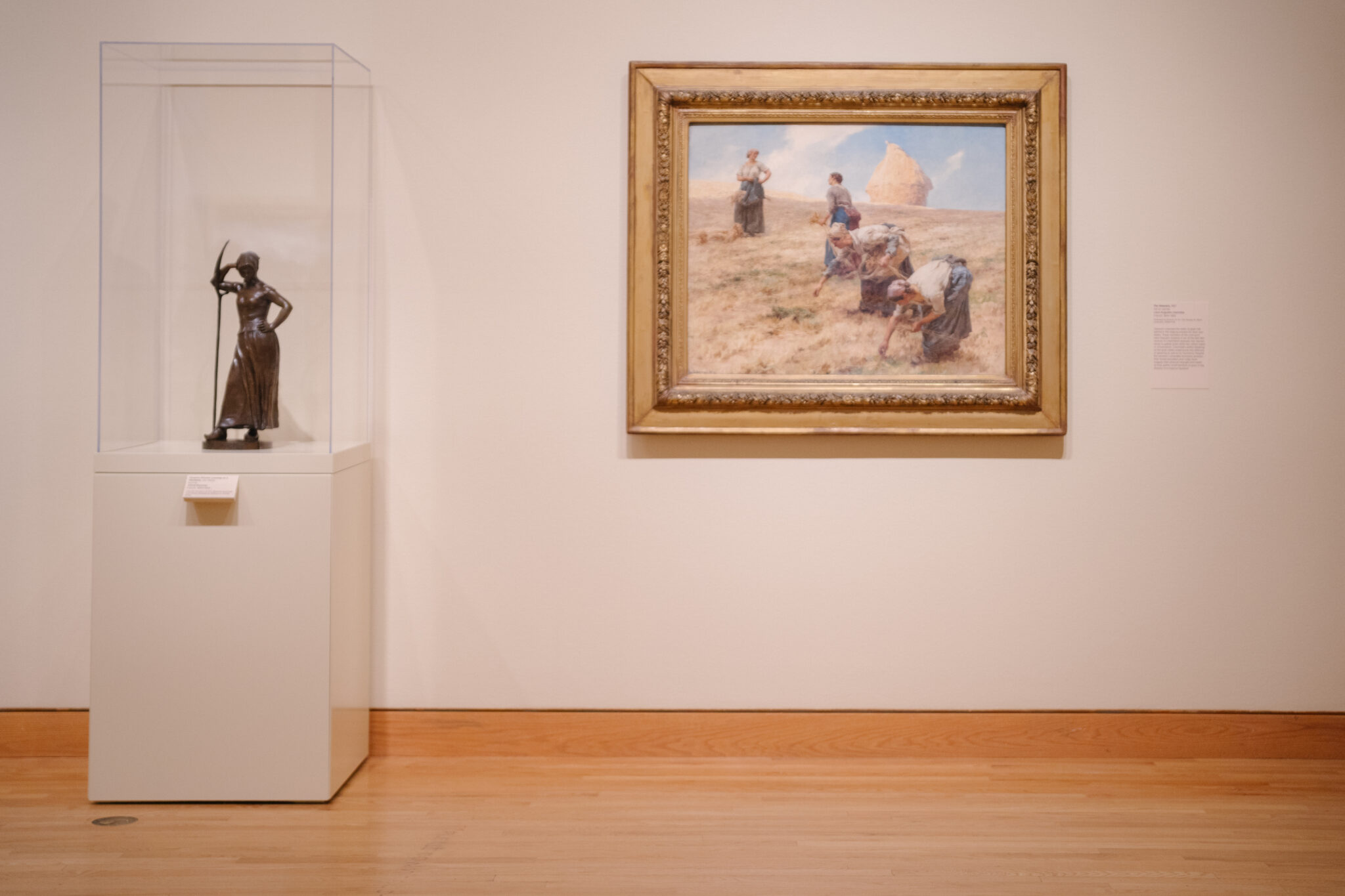
“The Gleaner”, 1887, Leon Augustin Lhermitte, oil on canvas. (Image: Chloe Collyer)
Go into the next room, where you will find a posh dining and sitting room. The table is set. There is lots to eat. This may be the most fun part of the visit. You are invited to have a seat at the table. You can touch and pretend this is where you eat. To help, there are prompts at each seat to encourage a lively conversation.
Here I will leave you to explore at your own speed. Have fun.
View this post on Instagram
Don’t leave the museum without visiting an exhibit just barely installed. It begins at the top of the escalator and is the first exhibit at SAM to honor the souls of animals. For an American child who spends an average of fifty hours per week on their devices, this is a chance to be here with other species. What happens when we look into each other’s eyes? What might they be saying to us?
In this exhibit, the sculptures are placed much lower to give us the opportunity to consider the point of view of these fellow beings. Stop and see the largest wolf, mouse, and mosquito you will ever see. Learn that we humans are not alone.
Finally, I quote Fran Leibowitz, who advises our pets. “No animal should ever jump on the dining room furniture unless absolutely certain that they can hold their own in the conversation.”