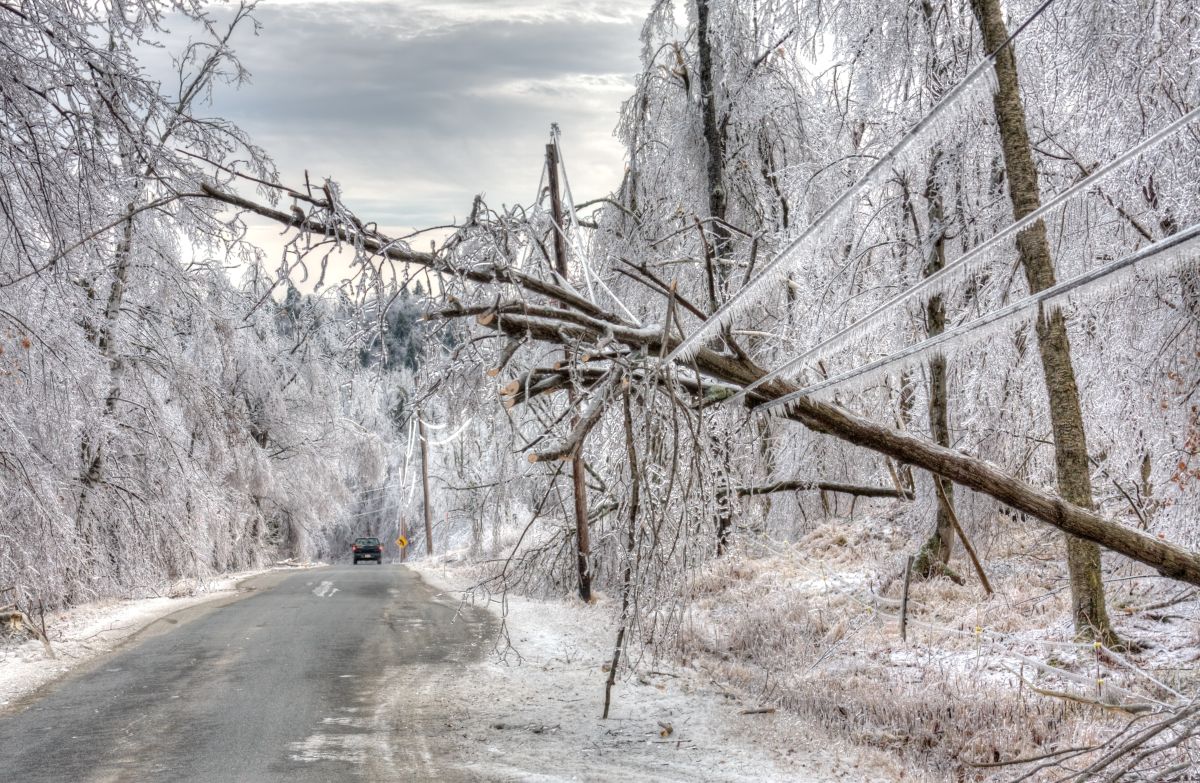
For a child, a winter storm can turn a familiar home into an unsettling place. Wind rattles the windows, the lights flicker, and school schedules change. Even when adults feel prepared, children may worry about what will happen next. Washington families face storms that can bring strong winds, heavy rain, snow, and ice. Storms moving inland from the Pacific can disrupt transportation and knock out utilities. By helping children understand what to expect and how to prepare, and allowing them to talk through their fears, parents can make storm season feel more manageable and less scary.
Recognizing Storm Anxiety in Children
Some fear during severe weather is understandable. But storm anxiety in children becomes more concerning when their distress is intense, continues after the weather clears, or interferes with everyday activities.
Signs of storm anxiety may include:
• Crying, irritability, or needing constant closeness
• Trouble falling asleep or sleeping alone
• Stomachaches, nausea, trembling, or a racing heart
• Repeated questions about the weather or family safety
• Avoiding school or activities because of weather worries
Children who have experienced flooding, evacuation, or frightening power outages might be especially sensitive to another storm. Children with existing anxiety or sensitivity to noise may also need extra support. Additionally, recognizing anxiety in young boys is important, as their symptoms may show up as behavioral issues rather than typical expressions of worry or sadness.
Start With What Your Child Is Worried About
Ask, “What feels scary about the storm?” Their answer may surprise you. A child might worry about a pet, being separated from a parent, or missing a birthday party.
Listen without dismissing the concern. Instead of saying, “There’s nothing to be afraid of,” try, “That wind sounds loud. I understand why you feel nervous.”
Give brief, concrete explanations. For example, “If the power goes out, our lamps won’t work, but we have flashlights.” Avoid promises that nothing bad will happen. Explain the steps adults are taking to protect the family.
Make a Washington Winter Storm Plan Together
Prepare during calm weather. Washington’s Emergency Management Division recommends knowing your school’s emergency procedures, planning how family members will reconnect, and preparing for utility outages.
Explain who will pick your child up if school closes early and how you will communicate with caregivers. Show children where flashlights and blankets are kept. Ease their anxiety by letting them choose a comfort item, book, or game for the emergency supplies.
Keep tasks small and appropriate for their age. Your child can help select snacks while adults handle emergency alerts, travel decisions, and other safety responsibilities. Make it clear to them that keeping everyone safe is the adults’ job. If your neighborhood has experienced flooding or extended outages, explain your backup plan in simple terms. Knowing where the family could go can reduce uncertainty.
Manage Weather Updates and Scary Images
Parents need reliable information during winter storms, but children do not need continuous exposure to forecasts or damage footage. Repeated images can make a distant event feel immediate. Check official forecasts and local emergency alerts yourself, then share information that affects your child. You might say, “School is starting late because the roads are icy. We’ll stay home until it’s time to leave.” Keep necessary alerts active while limiting background television coverage. If your child sees something frightening, ask what they understood and clarify whether it happened nearby.
Practice Ways to Feel Calmer
Children often take emotional cues from parents or caregivers. Before discussing a storm, take a moment to settle yourself. You can acknowledge your own feelings while showing how you cope: “I’m feeling worried, so I’m taking a few slow breaths and checking our plan.” Practice gentle breathing together, imagining that you are smelling a flower and slowly blowing out a candle. Offer a stuffed animal or a quiet activity. During an outage, familiar routines can provide comfort. Read together by flashlight, play cards, or keep the usual bedtime story. Offer choices whenever possible, such as which book to read, to give your child some control.
Know When to Seek Support
After the storm, ask how your child is feeling and what helped them get through it. Avoid teasing children about their fears or pressuring them to prove they are brave.
If your child’s anxiety persists after the storm, it’s important to contact your child’s pediatrician or a mental health professional—especially if symptoms are severe, such as disrupted sleep patterns or panic attacks. Treatment may include behavioral approaches that help children gradually manage feared situations.
For children and adolescents who need intensive care for anxiety, trauma, or other mental health concerns, Newport Healthcare has treatment programs for adolescents ages 12–18 in Kirkland and Port Townsend and a program for children ages 7–11 in Southern California.
An assessment can help families understand which level of support fits their child’s needs. The compassionate team at Newport can help children build coping skills that support them through Washington’s storm season and beyond.